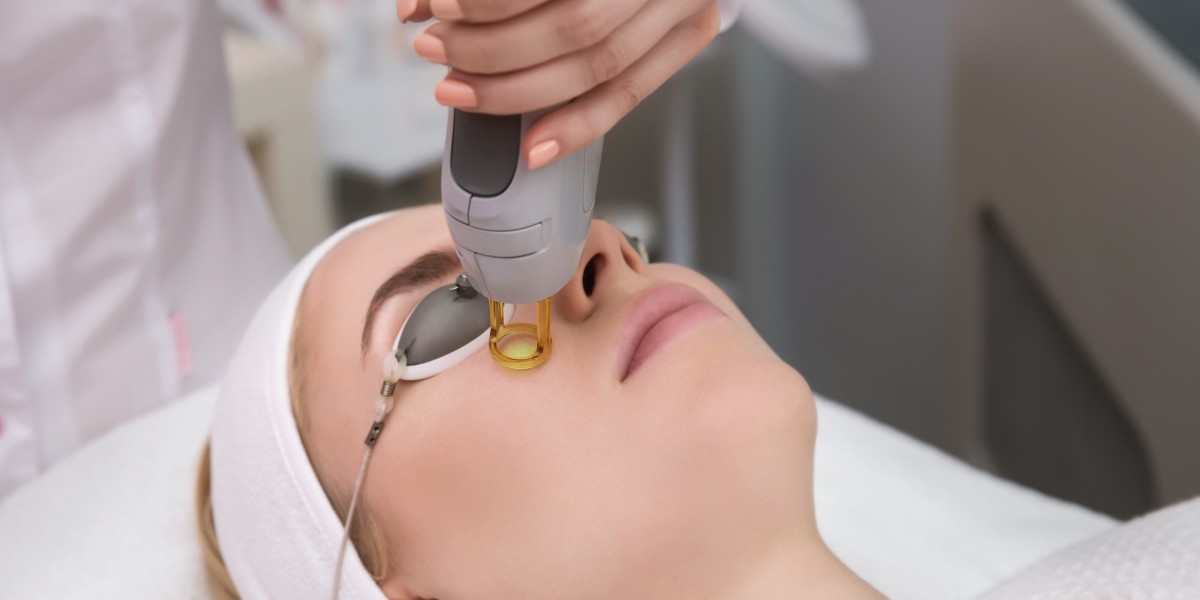

Fractional CO₂ laser is a highly effective dermatological treatment designed to improve skin texture, tone, and overall appearance. By delivering controlled microscopic injuries to the skin, the laser stimulates collagen production, promotes cell turnover, and encourages natural healing processes. Patients often notice changes immediately after treatment, but the most significant improvements develop over weeks to months. Understanding what to expect one month after the procedure helps set realistic expectations and supports optimal post-treatment care. Many people choose fractional CO2 laser in Islamabad to rejuvenate their skin, reduce acne scars, and achieve a smoother, more youthful complexion.
Early Recovery Recap
Immediately following a fractional CO₂ laser session, the skin undergoes a series of changes: redness, swelling, and mild discomfort are common. Some patients experience peeling or crusting as the skin begins to regenerate. The first week is typically marked by noticeable redness and sensitivity, with gradual healing over the next two to three weeks. By the one-month mark, most of the visible irritation has usually subsided, leaving the skin in a transitional stage where collagen remodeling is actively occurring.
Skin Texture Improvements
One of the most noticeable changes one month post-treatment is an improvement in skin texture. The fractional CO₂ laser targets both the epidermis (surface layer) and the dermis (deeper layer), creating tiny channels that trigger the skin’s repair mechanisms. By the four-week mark:
Smoother Skin: The laser stimulates new skin cell growth, leading to smoother, more even surfaces. Rough patches caused by acne scars, sun damage, or environmental factors often begin to fade.
Reduced Fine Lines: Fine lines around the eyes, mouth, or forehead may appear less pronounced as collagen production strengthens the skin’s structure.
Minimized Pores: Enlarged pores may appear smaller due to the tightening effect of collagen remodeling, resulting in a more refined skin texture.
While deeper wrinkles or severe scarring may still require additional sessions, the initial improvement in surface texture is typically visible within the first month.
Skin Tone Enhancements
Fractional CO₂ laser also targets pigmentation irregularities, including sun spots, post-inflammatory hyperpigmentation, and mild redness. By one month:
Evened Skin Tone: Damaged and discolored skin cells are replaced by healthier ones, contributing to a more uniform complexion.
Fading of Minor Pigmentation: Lighter hyperpigmented areas may begin to fade, though darker spots or deeper discoloration may take several months and multiple sessions to fully resolve.
Increased Radiance: The combination of exfoliation and collagen stimulation often gives the skin a refreshed and luminous appearance.
Patients generally notice that their complexion looks healthier and more balanced compared to pre-treatment, even if complete pigment correction has not yet occurred.
Collagen Remodeling and Skin Tightening
One of the most important processes initiated by fractional CO₂ laser is collagen remodeling. This process continues for several months after treatment, but by the one-month mark:
Initial Tightening: Skin may begin to feel firmer due to early collagen deposition in the treated areas.
Subtle Lifting Effects: Mild sagging around the cheeks, jawline, or eyes may start to improve, though significant lifting typically develops gradually over three to six months.
Improved Elasticity: The skin’s resilience and bounce improve as collagen fibers reorganize and strengthen.
Patients often notice a difference in how their skin feels and responds to touch, even if visible changes are still developing.
Acne Scar and Blemish Improvement
For patients treated for acne scars or textured blemishes:
Shallow Scars: Minor pitting or depressions may appear less pronounced as new tissue fills in.
Redness Reduction: Post-inflammatory redness from previous acne may begin to fade.
Texture Smoothing: Areas previously affected by scars often feel softer and more uniform, though deeper scars may require follow-up treatments for optimal results.
The one-month mark is often considered the first checkpoint to assess the treatment’s effectiveness, though complete improvement continues over subsequent months.
Expected Side Effects and Considerations
At one month post-treatment, most patients experience minimal residual side effects. Some may notice:
Mild redness or pinkness, particularly in sensitive areas
Occasional dryness or flaking as the skin continues to heal
Slight sensitivity to sun exposure
Proper post-laser care, including moisturization, gentle cleansing, and diligent sun protection, is essential to support continued healing and prevent complications such as hyperpigmentation.
Overall Appearance and Confidence Boost
By one month, many patients report visible improvements in skin quality and a boost in confidence. The skin generally appears smoother, more radiant, and healthier than before treatment. While the full benefits of fractional CO₂ laser often take three to six months to fully manifest, the one-month mark represents a significant milestone in the healing and rejuvenation process.
Conclusion
One month after fractional CO₂ laser treatment, patients can expect noticeable improvements in skin texture, tone, and overall appearance. Fine lines may soften, pores may appear smaller, and superficial pigmentation may begin to fade. The skin often feels firmer and more resilient due to ongoing collagen remodeling, while acne scars or minor blemishes show initial signs of improvement. Side effects are typically minimal by this point, provided proper post-laser care is followed. While full results develop over several months and may require multiple sessions for deeper concerns, the one-month mark offers a clear indication of the treatment’s effectiveness and the skin’s path toward rejuvenation.