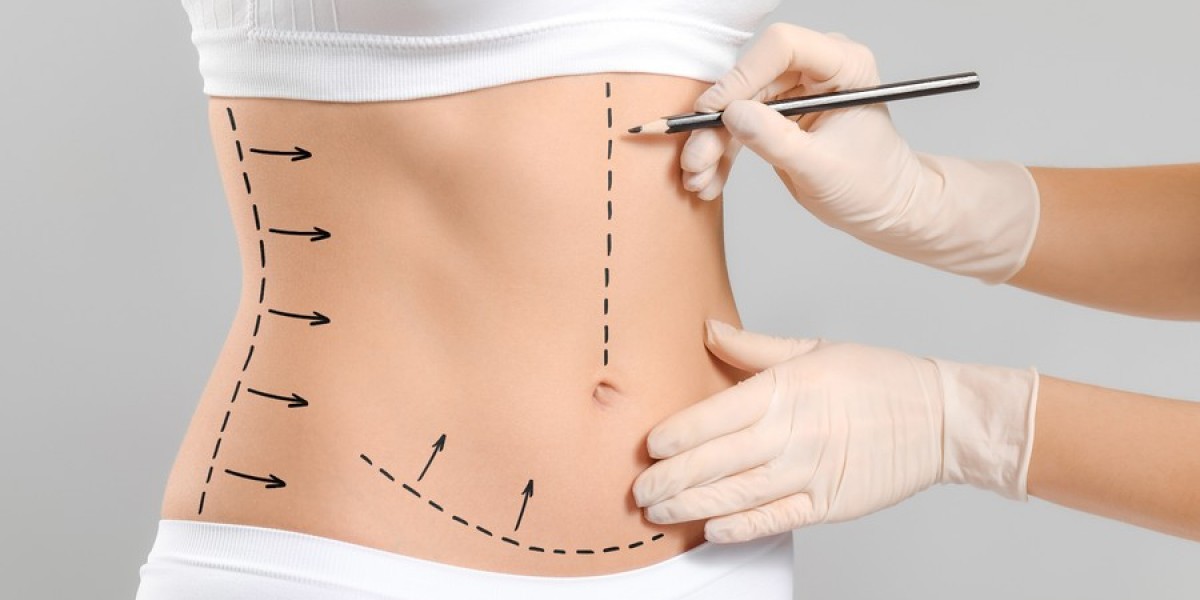

Liposuction is a widely performed cosmetic procedure in Jeddah, valued for its ability to remove stubborn fat deposits and improve body contours. While it is generally safe when performed by qualified, experienced surgeons, it is still a surgical procedure and carries certain risks and potential complications. Understanding these risks is crucial for patients considering liposuction, as it allows them to make informed decisions, follow pre- and post-operative instructions, and recognize early signs of issues to ensure proper management. Liposuction in Jeddah offers an effective solution for removing stubborn fat and achieving a more contoured and confident appearance.
Common and Mild Complications
The most common complications of liposuction are generally mild and temporary. These include bruising, swelling, and tenderness in the treated areas. Bruising occurs due to disruption of small blood vessels during the fat removal process and usually resolves within one to two weeks. Swelling may persist for several weeks, depending on the extent of the procedure and the area treated. Some patients also experience minor discomfort or soreness as the body heals, which can be managed with prescribed pain medications or over-the-counter remedies.
Temporary numbness or altered sensation in the treated areas is also common. This occurs because nerves in the skin may be temporarily affected by the procedure. In most cases, sensation gradually returns to normal within a few weeks or months.
Infection Risks
Although liposuction is performed under sterile conditions, there is always a risk of infection with any surgical procedure. Signs of infection may include redness, increased swelling, warmth, pain, or discharge from the incision sites. In rare cases, infections can become more severe and may require antibiotics or, in extreme situations, further surgical intervention. Following post-operative care instructions, including keeping the surgical area clean and avoiding exposure to unsanitary conditions, significantly reduces the risk of infection.
Bleeding and Hematoma Formation
Minor bleeding is expected during and after liposuction, but significant bleeding is uncommon. Hematomas, which are collections of blood under the skin, can occur in rare cases. Hematomas may cause swelling, tenderness, and discoloration in the treated area. Most small hematomas resolve on their own, but larger or persistent cases may require medical evaluation or drainage by the surgeon.
Seroma Formation
A seroma is the accumulation of clear fluid in the area where fat was removed. Seromas are a relatively uncommon complication but can cause swelling, discomfort, and a feeling of fluid movement under the skin. In some cases, the surgeon may need to drain the fluid to promote proper healing. Wearing compression garments as advised post-procedure helps minimize the risk of seroma formation by supporting tissue adhesion.
Contour Irregularities and Skin Laxity
One of the potential aesthetic complications of liposuction is contour irregularity. This may include uneven fat removal, dimpling, or asymmetry in the treated areas. Factors that contribute to this risk include poor skin elasticity, uneven fat distribution, or overly aggressive fat removal. Patients with limited skin elasticity, such as older individuals or those with significant weight fluctuations, may also experience loose or sagging skin after the procedure. Surgeons in Jeddah often evaluate skin quality during the consultation and discuss realistic outcomes to minimize dissatisfaction.
Numbness and Nerve Injury
In rare cases, liposuction can cause nerve injury, leading to prolonged numbness, tingling, or altered sensation in the treated areas. Most nerve-related issues are temporary, resolving within weeks to months. Permanent nerve damage is extremely rare but possible, particularly in areas with thin skin or where multiple treatment planes are involved.
Blood Clots and Fat Embolism
Though uncommon, serious complications such as blood clots and fat embolism can occur. Blood clots may form in the legs (deep vein thrombosis) and can travel to the lungs, causing a pulmonary embolism. Fat embolism occurs when fat enters the bloodstream and lodges in the lungs or other vital organs. Both conditions are medical emergencies. Surgeons reduce these risks through careful patient assessment, monitoring, and early mobilization after surgery.
Anesthesia-Related Risks
Liposuction is typically performed under local anesthesia with sedation or general anesthesia. Each type carries specific risks, including allergic reactions, respiratory issues, or adverse cardiovascular responses. An experienced anesthesiologist and preoperative evaluation help minimize these risks, ensuring that the patient’s medical history and current health status are carefully considered.
Scarring and Pigmentation Changes
Although liposuction involves small incisions, some patients may develop mild scarring or changes in skin pigmentation. Scars are usually small and fade over time, but individual healing patterns may vary. Following post-operative care instructions and avoiding sun exposure can help minimize visible scarring.
Importance of Choosing a Qualified Surgeon
Many risks and complications of liposuction can be minimized by selecting a qualified, experienced surgeon in Jeddah. Board-certified plastic surgeons follow strict safety protocols, perform thorough preoperative assessments, and provide detailed instructions for recovery. Patients should also communicate openly about medical history, medications, and aesthetic goals to ensure a tailored and safe treatment plan.
Monitoring and Follow-Up Care
Early recognition and management of complications are critical. Patients are advised to attend all follow-up appointments, report unusual symptoms promptly, and adhere to post-operative care guidelines, including wearing compression garments, avoiding strenuous activity, and maintaining proper hygiene. Prompt intervention can prevent minor complications from escalating into serious issues.
Understanding the risks and possible complications of liposuction in Jeddah empowers patients to make informed decisions and take the necessary precautions for a safe, effective, and satisfying outcome. Proper preparation, qualified surgical care, and diligent post-operative management are key to minimizing risks and achieving optimal results.