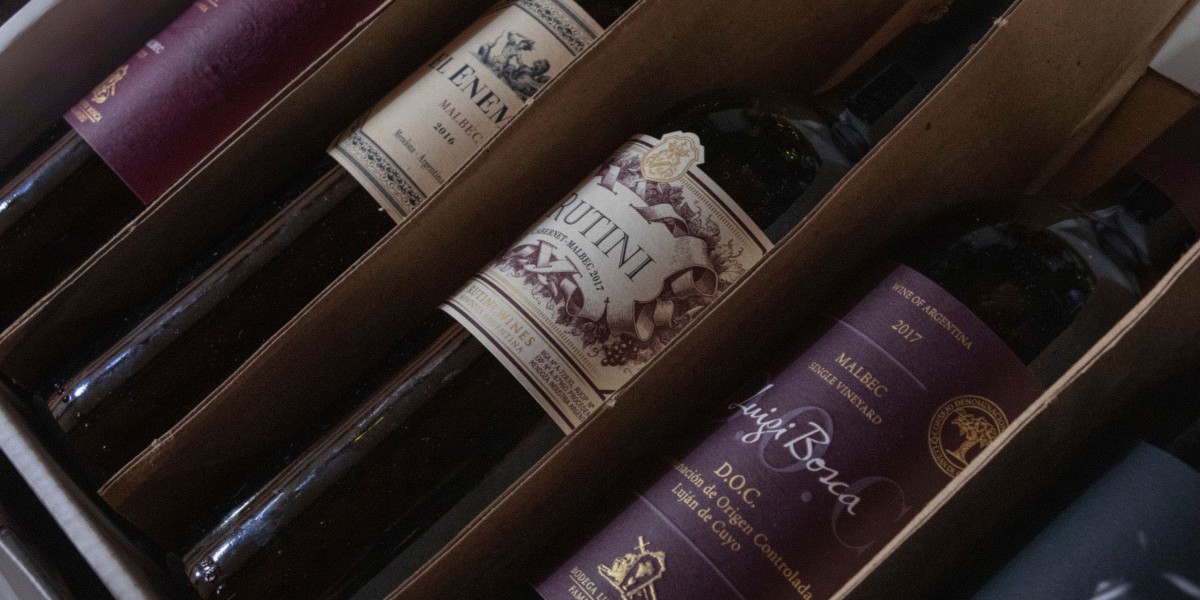

Consumer preferences play a central role in shaping the luxury wines and spirits market. The category includes premium wines, champagne, whisky, cognac, brandy, and other spirits that appeal to customers seeking distinctive flavors, quality, and carefully developed brand identities. Although prestige and tradition remain important, consumers increasingly approach luxury beverages with individual expectations. Some are attracted to established producers and familiar styles, while others prefer exploring lesser-known brands, unusual tasting notes, or products connected with specific regions. These different motivations encourage producers to communicate their offerings more clearly and create experiences that respond to varied consumer interests.
The growing interest in premium wine tasting experiences illustrates how discovery and education can influence purchasing preferences. Consumers may want to understand the aromas, textures, ingredients, and production techniques that distinguish one beverage from another. Guided tastings, specialist recommendations, food-pairing experiences, and informative brand content can make this exploration more engaging. Rather than focusing solely on prestige, luxury beverage companies can use education and meaningful experiences to demonstrate the distinctive qualities of their products.
Individual preferences shape product discovery
Consumers do not necessarily define luxury in the same way. For some, luxury means a recognized producer with a long-standing reputation. For others, it means a beverage made using traditional techniques, a distinctive flavor profile, or a product that offers a new experience.
This variety creates opportunities for businesses to develop clear product identities. Wine producers may emphasize grape characteristics, regional traditions, or the style of their wines. Spirit manufacturers may communicate blending expertise, maturation methods, botanical ingredients, or the characteristics of a particular distillation process.
Clear descriptions help customers identify products that suit their tastes. They can also reduce confusion for consumers who are unfamiliar with specialist beverage categories. By presenting information in accessible language, brands can make premium products easier to understand without diminishing their sophistication.
The importance of tasting and education
Tasting experiences can help consumers develop a more informed appreciation of luxury beverages. Wine tastings may explore differences in aroma, acidity, body, and finish, while spirit tastings may introduce variations in fragrance, texture, flavor, and maturation character.
These experiences are valuable because product descriptions alone cannot fully communicate how a beverage tastes. Guided sessions allow participants to compare styles and discover personal preferences in an educational setting.
Hospitality businesses, specialist retailers, and beverage educators can support this process by offering informative presentations and appropriate serving recommendations. Producers can complement these experiences with tasting notes, explanations of production methods, and suggestions for responsible food pairings.
Education also supports more confident purchasing decisions. Customers who understand the characteristics of different products may find it easier to select beverages for dining, gifting, or personal enjoyment.
Digital platforms influence beverage exploration
Digital discovery has become an important part of how consumers learn about luxury wines and spirits. Brand websites, specialist retailer catalogs, educational videos, and online publications provide information about origins, ingredients, production traditions, and serving methods.
These channels allow consumers to explore brands before making a purchase. They also give producers an opportunity to explain complex subjects in a straightforward manner. For example, a brand can describe how maturation influences the character of a spirit or how growing conditions affect the expression of a wine.
High-quality digital content should prioritize clarity and authenticity. Consumers benefit from descriptions that explain genuine product characteristics rather than relying on vague claims of exclusivity. Accurate information helps establish trust and encourages customers to develop realistic expectations.
Gifting and social occasions influence choices
Luxury beverages are frequently associated with special occasions, including celebrations, formal dinners, weddings, and personal milestones. The product selected may reflect the preferences of the recipient, the nature of the occasion, or the purchaser's interest in presenting a thoughtful gift.
Packaging, presentation, and recognizable branding can influence these decisions. However, consumers may also value a product's story, regional connection, or suitability for a particular meal.
Retailers can make selection easier by organizing products according to style, occasion, and flavor characteristics. Clear guidance can help customers find an appropriate option without assuming that every premium product will appeal to every recipient.
Evolving expectations create opportunities
As consumer tastes diversify, luxury wine and spirit producers have opportunities to strengthen their relationships with customers through personalization, education, and distinctive experiences. Brands can offer clearer tasting information, develop engaging digital resources, and introduce products that reflect their established identity while appealing to emerging interests.
Understanding customers also requires recognizing that preferences can change. A consumer who initially chooses a familiar brand may later become interested in exploring new regions or production techniques. Businesses that encourage discovery without losing sight of quality can remain relevant as these interests develop.
Conclusion
The luxury wines and spirits market is influenced by an ongoing relationship between personal taste, product quality, education, and brand perception. Consumers are not simply selecting beverages; they are evaluating experiences, traditions, and characteristics that align with their interests. Producers that communicate clearly, support responsible consumption, and create meaningful opportunities for discovery can build stronger connections with discerning customers.
FAQs
Q1. What influences consumer preferences in luxury wines and spirits?
Consumer preferences may be influenced by flavor, craftsmanship, regional identity, brand reputation, personal experience, packaging, gifting needs, and recommendations from knowledgeable retailers.
Q2. How can brands help consumers discover premium beverages?
Brands can provide accessible tasting notes, educational content, guided tasting opportunities, production explanations, and clear product descriptions that help consumers understand different beverage styles.