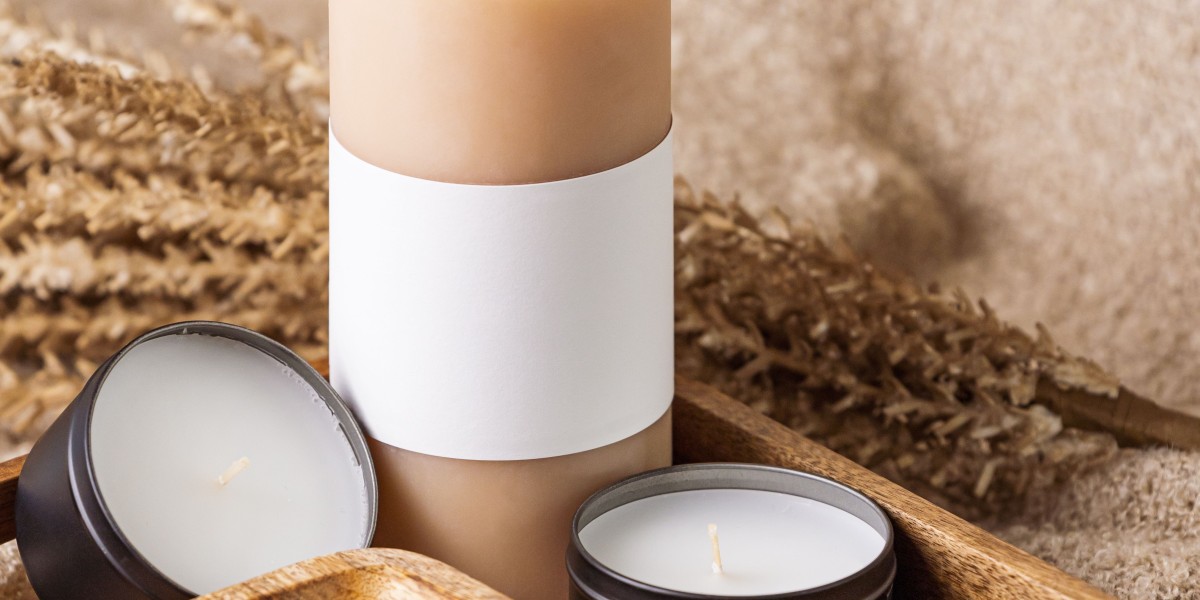

Fragrance has become an important part of how many people experience their surroundings. From the scent of a freshly cleaned room to the aromas associated with a favorite place, smells can contribute to the overall impression of an environment. Scented candles offer a convenient way to introduce fragrance into homes and other suitable indoor spaces. They combine the visual appeal of candlelight with different aromatic profiles, making them useful for everyday routines, home decoration, and special occasions. Their adaptability allows consumers to choose products according to their personal tastes, preferred atmosphere, and the way they use their living spaces.
Growing interest in personal comfort has encouraged consumers to explore aromatherapy-inspired scented candles and other fragrance products for their homes. These candles are often selected for their aromas and the atmosphere they help create. Fragrances such as lavender, vanilla, citrus, and sandalwood may appeal to different preferences, although individual responses to scents vary. Consumers increasingly have opportunities to choose products that complement their routines, whether they want a fresh-smelling living area, a welcoming setting for guests, or a pleasant atmosphere during a quiet evening.
Fragrance and Personal Routines
Daily routines provide several opportunities for using scented candles. Some consumers light a candle while reading, listening to music, or spending time away from digital devices. Others use candles as part of their evening routines or incorporate them into decorative arrangements for family gatherings. These practices allow people to create an environment that feels suited to a particular activity.
Fragrance preferences are highly personal. Floral notes may appeal to people who enjoy delicate aromas, while citrus fragrances can offer a fresh and lively character. Woody notes may be preferred by those who enjoy deeper scents, and warm vanilla profiles can complement cozy interiors. Manufacturers can serve these different preferences by offering diverse collections rather than relying on a single fragrance style.
Candles can also be selected according to the atmosphere a consumer wants to create. A subtle fragrance may suit a quiet reading area, while a more distinctive scent may be used in a larger living space. Consumers should avoid excessive fragrance intensity, particularly in enclosed rooms, and follow product instructions for safe use.
The Appeal of Home Fragrance Products
Home fragrance products allow consumers to personalize their environments without making significant changes to their furnishings. Scented candles are particularly versatile because they offer both an aromatic experience and a decorative feature. Their containers can be coordinated with furniture, textiles, and other accessories.
This combination is useful for consumers who want their homes to reflect their personalities. A candle with a simple design can complement a minimalist room, while a decorative vessel can become part of a more elaborate arrangement. Different fragrance collections can also help consumers adjust the atmosphere of a room according to their mood or the occasion.
The appeal extends beyond individual households. Candles may be used in hospitality settings, wellness-oriented spaces, and other environments where their use is appropriate. Businesses may choose particular fragrances to complement their interior themes, although they should consider ventilation, customer sensitivities, and applicable safety requirements.
Product Materials and Quality
Product quality remains an important consideration when consumers choose scented candles. Wax composition, wick construction, fragrance formulation, container design, and manufacturing consistency can influence the overall experience. Consumers may encounter candles made from paraffin, soy wax, beeswax, or combinations of different materials.
Each material has distinct characteristics, and the performance of a finished candle depends on more than the wax alone. Wick selection, fragrance concentration, candle dimensions, and manufacturing methods also matter. Clear product information helps consumers understand what they are purchasing and compare available options.
Packaging is another part of the quality experience. Secure containers, readable labels, and practical instructions can make products easier to handle and use. Manufacturers that maintain consistent standards and communicate product features accurately may be better positioned to build consumer confidence.
Marketing and Product Differentiation
Brands in the scented candles category can differentiate themselves through fragrance creativity, packaging, product collections, and customer experience. A collection built around botanical notes may appeal to consumers who enjoy nature-inspired aromas, while a line of sophisticated containers may attract buyers interested in decorative home accessories.
Seasonal collections can provide additional opportunities. Candles designed for holidays, celebrations, or particular interior themes can help brands connect their products with specific occasions. Gift packaging can also attract customers who want an attractive present without having to assemble a separate gift set.
Digital marketing and product photography can help communicate these characteristics. Descriptions that explain the fragrance profile and container style allow consumers to form clearer expectations before buying. However, marketing claims about relaxation or wellness should be realistic and should not suggest that scented candles can diagnose, treat, or cure medical conditions.
Future Opportunities in the Category
The scented candles category benefits from its connection to everyday home life, personal preferences, and decorative expression. Consumers can purchase candles for regular use, occasional enjoyment, or gifting, giving the category several distinct use cases.
Future product development may focus on fragrance variety, improved presentation, material choices, and more informative labeling. Brands that understand different consumer needs and maintain consistent product quality can build stronger relationships with their customers.
Ultimately, scented candles provide a simple way to add fragrance and atmosphere to suitable spaces. Their continuing relevance depends on the combination of appealing scents, thoughtful design, reliable performance, and an understanding of how consumers incorporate fragrance into their everyday lives.
FAQs
Q1. Why do people use scented candles in their daily routines?
People use them to introduce fragrance, enhance the atmosphere of a room, complement personal routines, and add decorative interest to their surroundings.
Q2. What factors affect the quality of a scented candle?
Wax composition, wick construction, fragrance formulation, container design, manufacturing consistency, and clear usage instructions can all influence the overall product experience.