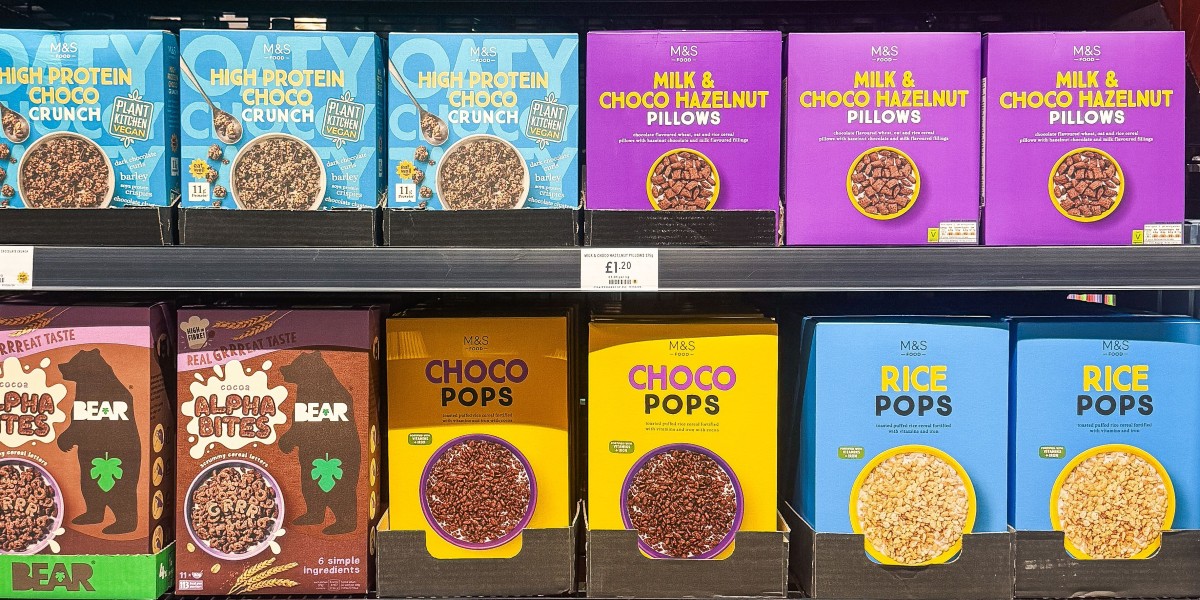

The food industry is experiencing a significant transformation as consumers increasingly connect everyday eating habits with personal wellness. The health and wellness packaged food market reflects this changing approach to food consumption, where buyers are becoming more selective about ingredients, nutritional benefits, and product quality. Packaged food is no longer viewed simply as a convenient option. It is increasingly expected to support different dietary preferences while delivering enjoyable flavors and practical consumption experiences.
This transformation is creating opportunities for manufacturers to develop products that address evolving nutritional expectations. Interest in functional and fortified packaged foods is encouraging companies to explore innovative formulations, nutrient-enriched ingredients, and products designed for consumers seeking more informed food choices. These developments are helping redefine the role of packaged food in modern diets.
Increasing Awareness of Nutritional Benefits
Nutritional awareness is becoming an important influence on purchasing decisions. Consumers are paying greater attention to food ingredients and seeking products that complement their dietary requirements. This growing awareness is encouraging people to examine product labels before making purchasing decisions.
Food manufacturers are responding by developing products that emphasize nutritional characteristics. Whole grains, dietary fiber, plant-based ingredients, and nutrient-enriched formulations are becoming important considerations during product development.
Consumers also have different nutritional expectations depending on their lifestyles. Some prioritize convenient breakfast products, while others prefer healthier snacks or packaged foods that complement specific dietary patterns. This diversity encourages companies to maintain flexible product development strategies.
Functional Ingredients and Product Development
Functional ingredients are receiving attention because consumers are interested in food products that offer characteristics beyond basic taste and convenience. Manufacturers are exploring ingredients such as seeds, nuts, fruits, whole grains, and plant-based components to develop differentiated packaged food products.
The incorporation of functional ingredients can also help brands create distinctive product identities. For example, packaged snacks featuring seeds and whole grains can appeal to consumers looking for alternative snack choices. Similarly, fortified breakfast products can attract buyers interested in incorporating additional nutrients into their daily routines.
However, successful product development requires more than selecting popular ingredients. Manufacturers must consider taste, texture, product stability, and ingredient compatibility. Consumers generally expect healthier packaged foods to deliver a satisfying eating experience.
The Importance of Convenient Nutrition
Modern lifestyles have increased the importance of convenient food solutions. People frequently manage professional responsibilities, education, family commitments, and personal activities, leaving limited time for food preparation.
Packaged wellness products offer an accessible way to incorporate different food choices into everyday routines. Ready-to-eat meals, portion-controlled snacks, breakfast products, and convenient beverage options can help consumers manage their eating schedules.
Convenience is particularly important for consumers who travel frequently or work outside their homes. Portable packaging and easy-to-consume product formats make healthy packaged food more accessible.
Manufacturers are therefore exploring packaging formats that improve portability while maintaining product freshness and quality.
Plant-Based and Natural Food Preferences
Plant-based eating is influencing packaged food innovation. Consumers interested in plant-derived ingredients are exploring different alternatives across snack, breakfast, and meal categories.
Food manufacturers are introducing products featuring vegetables, fruits, legumes, grains, nuts, and seeds. These ingredients offer opportunities to develop products with different textures, flavors, and nutritional characteristics.
Natural ingredient preferences are also encouraging manufacturers to review their formulations. Consumers increasingly appreciate clear product information and recognizable ingredients. As a result, companies are focusing on ingredient transparency and product communication.
Challenges in the Market
Despite growing interest, manufacturers face several challenges. Developing products that balance nutritional quality, taste, affordability, and convenience requires careful planning.
Ingredient sourcing can also influence product consistency and manufacturing decisions. Companies must maintain quality while ensuring that new formulations meet consumer expectations.
Another challenge involves communicating nutritional benefits responsibly. Packaging and promotional messages should provide clear information without creating unrealistic expectations about what a food product can achieve.
Future Opportunities
The health and wellness packaged food market offers opportunities for manufacturers willing to adapt to changing nutritional preferences. Functional ingredients, plant-based formulations, convenient packaging, and transparent labeling are expected to remain relevant areas of innovation.
Brands that understand consumer expectations and develop practical, enjoyable products can strengthen their position in the evolving packaged food industry. The future of better nutrition will depend on creating products that combine convenience, quality, and thoughtful food choices.
FAQs
Q1. Why are functional ingredients important in packaged foods?
Functional ingredients allow manufacturers to develop products that address consumer interest in nutritional characteristics, dietary preferences, and differentiated food experiences.
Q2. How are manufacturers responding to changing nutritional preferences?
Manufacturers are exploring plant-based ingredients, fortified formulations, whole grains, natural components, and transparent product labeling.