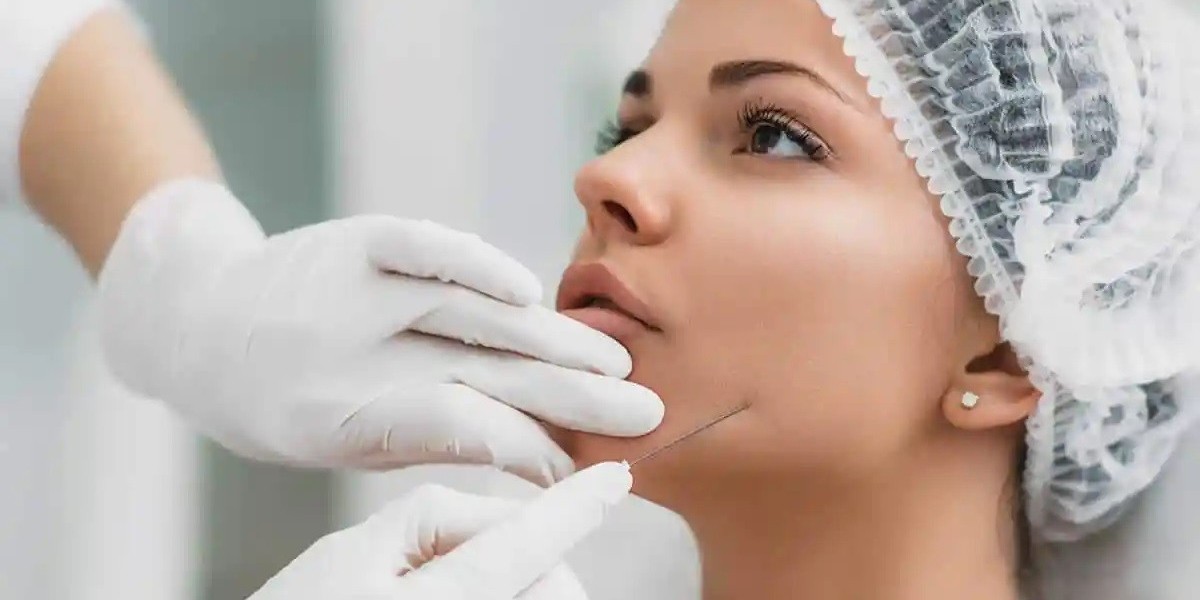

Pigmentation issues, including melasma, are common skin concerns that affect many individuals, causing uneven skin tone and dark patches on the face. If you are looking for effective treatments to manage these conditions, you may have come across chemical peels as a recommended solution. But are chemical peels truly effective for pigmentation or melasma? Understanding how chemical peels work and their role in treating these skin conditions is essential for making an informed decision. For professional care and treatment options, Chemical Peels in Islamabad at reputable clinics offer specialized expertise to address pigmentation and melasma safely and effectively.
What Causes Pigmentation and Melasma?
Pigmentation refers to the darkening of the skin caused by excess melanin production. It can appear as sunspots, age spots, or post-inflammatory hyperpigmentation following acne or injury. Melasma, on the other hand, is a specific form of hyperpigmentation characterized by symmetrical brown or grayish patches, usually on the cheeks, forehead, nose, or upper lip.
Common triggers for pigmentation and melasma include:
Sun exposure and UV radiation
Hormonal changes (e.g., pregnancy, birth control pills)
Genetic predisposition
Inflammation or skin trauma
Certain medications
Both pigmentation and melasma can be persistent and challenging to treat, often requiring a combination of approaches.
How Do Chemical Peels Work?
Chemical peels involve applying a chemical solution, typically containing acids such as glycolic acid, salicylic acid, or trichloroacetic acid (TCA), to exfoliate the outer layers of the skin. This controlled exfoliation promotes skin cell turnover, removing damaged or pigmented skin cells and revealing fresher, more evenly toned skin underneath.
Depending on the type and strength of the peel, the depth of exfoliation varies from superficial to medium or deep peels. The choice of peel depends on the skin condition and the severity of pigmentation.
Are Chemical Peels Effective for Pigmentation?
Chemical peels have proven to be effective for treating various types of pigmentation by:
Lightening Dark Spots: By removing the outer pigmented layers, chemical peels help fade sunspots, age spots, and post-inflammatory hyperpigmentation.
Stimulating Collagen Production: Peels encourage skin renewal, which improves skin texture and reduces discoloration.
Enhancing Skin Brightness: Regular peeling treatments can improve overall skin clarity and radiance.
Superficial peels using alpha hydroxy acids (AHAs) like glycolic acid or lactic acid are commonly recommended for mild pigmentation issues, while medium-depth peels may be required for more stubborn spots.
Are Chemical Peels Effective for Melasma?
Melasma is more complex than regular pigmentation because it is influenced by hormonal factors and tends to be more resistant to treatment. Chemical peels can be part of a comprehensive melasma treatment plan, but their effectiveness varies:
Superficial Peels: Glycolic acid peels are often used for melasma due to their gentle exfoliation and ability to improve pigment irregularities without causing excessive irritation.
Combination Treatments: Peels combined with topical lightening agents (like hydroquinone, azelaic acid, or kojic acid) and strict sun protection tend to yield better results.
Caution with Aggressive Peels: Deep chemical peels may sometimes worsen melasma due to post-inflammatory hyperpigmentation if not performed carefully by professionals.
Overall, chemical peels can improve melasma but usually require multiple sessions and adjunctive therapies for optimal outcomes.
Important Considerations for Chemical Peels in Pigmentation and Melasma
1. Professional Assessment
Proper diagnosis and skin evaluation by a dermatologist or skincare expert are crucial to determine the right peel type and treatment frequency. Melasma especially needs a tailored approach considering the patient’s skin type and triggers.
2. Sun Protection Is Essential
Since UV exposure can worsen pigmentation and melasma, diligent sun protection before and after chemical peel treatments is critical to prevent recurrence and protect healing skin.
3. Risk of Side Effects
While chemical peels are generally safe, side effects such as redness, peeling, and temporary sensitivity are common. There is also a risk of post-inflammatory hyperpigmentation, particularly in darker skin tones, emphasizing the need for expert application.
4. Multiple Sessions Required
Pigmentation and melasma typically require a series of chemical peel sessions spaced weeks apart to achieve noticeable improvement.
5. Maintenance and Lifestyle
Ongoing skin care, sun avoidance, and sometimes hormonal management are important to sustain results.
Who Should Avoid Chemical Peels for Pigmentation or Melasma?
Individuals with very sensitive or irritated skin
Those with active infections or open wounds on the treatment area
Pregnant or breastfeeding women (due to limited safety data on peel ingredients)
People prone to keloid scarring or pigmentation complications without proper supervision
Complementary Treatments
Chemical peels can be combined with other treatments such as:
Topical lightening creams
Laser therapy
Microneedling
Oral antioxidants
This multi-faceted approach often produces better and longer-lasting results.
Conclusion
Chemical peels can be an effective treatment option for managing pigmentation and melasma when used appropriately and under professional supervision. They work by exfoliating pigmented skin layers and stimulating renewal, which helps fade dark spots and improve skin tone. However, melasma’s hormonal and chronic nature means chemical peels are usually part of a broader treatment strategy rather than a standalone cure.