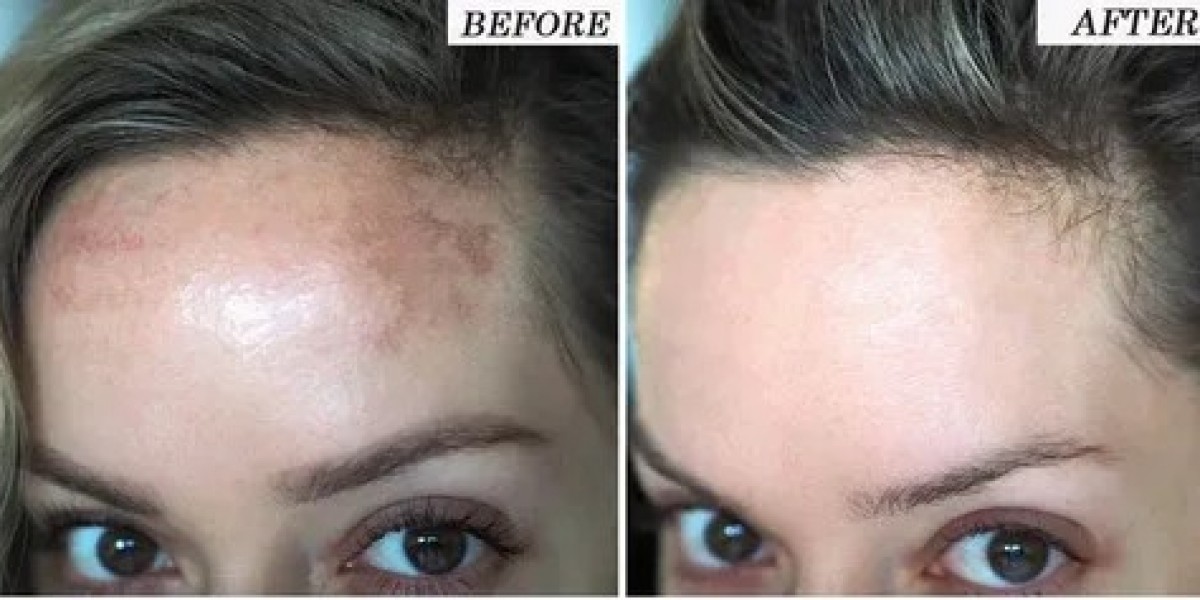

Melasma is a common skin condition that causes brown or grayish patches on the face, often affecting the cheeks, forehead, nose, and upper lip. It is more prevalent among women, especially those with darker skin tones, but men can also develop this condition. If you are struggling with uneven skin pigmentation, seeking professional Melasma Treatment in Islamabad can help restore your skin’s natural appearance.
In this article, we will explore what melasma is, the causes and symptoms, and the best treatment options available in Islamabad, allowing you to make informed decisions for your skin care journey.
What is Melasma?
Melasma is a type of hyperpigmentation, characterized by irregular patches of dark skin that appear mostly on the face. These patches result from an overproduction of melanin, the pigment responsible for skin color. While melasma is not harmful or contagious, it can significantly affect a person’s confidence and self-esteem due to its visible nature.
Causes of Melasma
Several factors contribute to the development of melasma, including:
1. Sun Exposure
Ultraviolet (UV) rays from the sun stimulate melanocytes (the pigment-producing cells), leading to increased melanin production and worsening of melasma patches. Hence, sun protection is a critical aspect of managing this condition.
2. Hormonal Changes
Pregnancy, birth control pills, and hormone replacement therapy can trigger melasma due to fluctuations in estrogen and progesterone. This is why melasma is sometimes called "the mask of pregnancy."
3. Genetics
A family history of melasma increases your likelihood of developing it. Certain ethnicities, such as Hispanic, Asian, Middle Eastern, and African descent, are more prone to melasma.
4. Medications and Skin Care Products
Some medications and cosmetics can sensitize the skin or cause irritation, triggering melasma patches.
5. Other Factors
Stress, thyroid dysfunction, and certain medical conditions can also be linked to melasma.
Symptoms of Melasma
Brown or grayish patches on the face
Symmetrical pigmentation usually on cheeks, forehead, bridge of the nose, chin, or upper lip
Patches are flat with clearly defined borders
Skin texture remains normal (no scaling or inflammation)
Melasma rarely affects any other part of the body besides the face.
How is Melasma Diagnosed?
A dermatologist diagnoses melasma through a simple skin examination. Sometimes, a Wood’s lamp (a special UV light) is used to determine the depth of pigmentation, which helps in choosing the most effective treatment plan.
Treatment Options for Melasma in Islamabad
Treating melasma requires patience and a combination of therapies tailored to your skin type and severity of pigmentation. Below are common and advanced options available in Islamabad clinics.
1. Sun Protection
Sun avoidance and protection are the cornerstones of managing melasma. Using a broad-spectrum sunscreen with SPF 30 or higher daily, wearing hats, and avoiding peak sun hours significantly help prevent melasma from worsening.
2. Topical Treatments
Dermatologists often prescribe topical agents to lighten melasma patches, including:
Hydroquinone: The most common bleaching agent that reduces melanin production.
Tretinoin and Corticosteroids: Used in combination with hydroquinone to enhance results.
Azelaic Acid and Kojic Acid: Alternative lightening agents with fewer side effects.
Vitamin C: An antioxidant that helps brighten the skin.
3. Chemical Peels
Superficial chemical peels using glycolic acid or salicylic acid help exfoliate the skin and reduce pigmentation over time. These treatments must be done by professionals to avoid irritation or worsening of melasma.
4. Laser and Light Therapies
Advanced laser treatments such as fractional lasers, Q-switched Nd:YAG, and intense pulsed light (IPL) therapy are increasingly popular in Islamabad. These treatments target pigmented cells without damaging surrounding skin and offer faster, more noticeable results.
However, lasers must be chosen carefully for melasma because aggressive laser treatments can sometimes worsen pigmentation.
5. Microneedling
Microneedling combined with topical agents can improve melasma by promoting skin regeneration and better absorption of lightening products.
Choosing the Right Clinic in Islamabad for Melasma Treatment
When seeking Melasma Treatment in Islamabad, it is essential to consult qualified dermatologists or skin specialists who can provide customized treatment plans. Look for clinics that use advanced technologies, have experienced professionals, and follow strict safety protocols.
Dynamic Clinic, for instance, offers specialized laser treatments for melasma with proven results and personalized care.
Lifestyle and Home Remedies
While professional treatments play a crucial role, adopting certain lifestyle habits can support melasma management:
Always wear sunscreen, even indoors or on cloudy days.
Avoid waxing, scrubbing, or harsh exfoliation, which can irritate the skin.
Use gentle skincare products free of alcohol and fragrances.
Maintain a healthy diet rich in antioxidants, such as fruits and vegetables.
Manage stress through relaxation techniques like yoga or meditation.
Common Myths About Melasma
Myth: Melasma only affects women.
While women are more prone due to hormonal factors, men can also develop melasma.Myth: Melasma will go away on its own.
Melasma tends to persist without treatment and can worsen with sun exposure.Myth: Natural remedies can cure melasma completely.
Some natural ingredients may help lighten pigmentation, but professional treatments are usually necessary for significant improvement.
Prevention Tips for Melasma
Use sunscreen with at least SPF 30 every day.
Avoid direct sun exposure, especially between 10 a.m. and 4 p.m.
Wear wide-brimmed hats and UV-protective clothing.
Avoid hormonal triggers if possible and discuss alternatives with your doctor.
Regularly consult your dermatologist for skin assessments and early interventions.
When to See a Dermatologist?
If you notice persistent dark patches on your face that do not fade with over-the-counter creams or home care, consult a dermatologist. Early diagnosis and treatment improve outcomes and prevent melasma from becoming more extensive.
Conclusion
Melasma is a challenging yet manageable skin condition. If you are searching for effective Melasma Treatment in Islamabad, it is important to combine professional care with consistent sun protection and lifestyle modifications. With the right approach, you can achieve a clearer, more even skin tone and regain confidence in your appearance.
Remember, every case is unique, so schedule a consultation with a trusted skin specialist in Islamabad to design the best treatment plan tailored just for you.