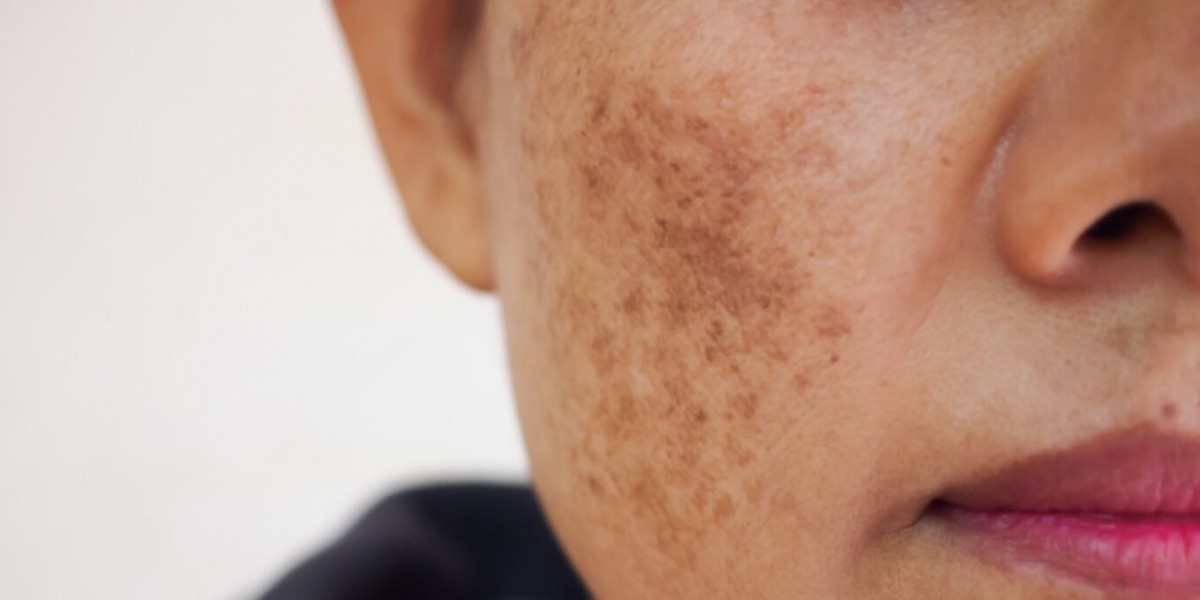

Melasma is a chronic skin condition that causes brown or grayish patches, most commonly on the face. It’s especially prevalent among women in Pakistan, particularly in sunny regions like Islamabad. For many, the emotional and cosmetic effects of melasma are just as distressing as the physical symptoms. With countless treatment options available and a surge in online skincare advice, there’s a lot of confusion surrounding melasma, particularly the question, “Is melasma curable?” The short answer: Melasma isn’t permanently curable, but it is highly manageable with the right approach. Many women are turning to professional Melasma Treatment in Islamabad to help them effectively reduce pigmentation and prevent recurrences.
Myth 1: Melasma Is Just a Tan That Will Fade on Its Own
One of the most widespread misconceptions about melasma is that it's simply a tan or temporary discoloration. While sun exposure plays a huge role in triggering melasma, the pigmentation seen in melasma is deeper and more complex than a sun tan. It involves overstimulation of melanocytes, which causes excessive melanin production in specific areas.
Unlike a typical tan, melasma doesn’t always fade after the season changes or once you're out of the sun. In fact, if left untreated, it can persist for years and may worsen with continued sun exposure or hormonal fluctuations.
Myth 2: Only Women Get Melasma
Although melasma is far more common in women—especially due to hormonal changes related to pregnancy, birth control pills, and menstruation—men can develop it too. In Pakistan, cultural norms may prevent men from seeking dermatological care for pigmentation concerns, but male patients do experience melasma, especially those with long-term sun exposure and darker skin tones.
Dismissing melasma as a “women-only” issue delays treatment in men who also need proper skincare and medical support.
Myth 3: Home Remedies Are Enough to Cure Melasma
From lemon juice masks to turmeric pastes, countless home remedies claim to fade melasma. While some natural ingredients may offer mild antioxidant benefits, they’re rarely strong or targeted enough to make a significant difference. Worse, some of these DIY treatments can actually irritate the skin and worsen pigmentation, especially if they cause inflammation or photosensitivity.
Effective treatment of melasma usually requires a combination of professional skincare products, sun protection, and possibly in-clinic procedures like chemical peels, lasers, or microneedling—none of which are replaceable by kitchen ingredients alone.
Myth 4: Melasma Can Be Permanently Cured After One Treatment
Many people are under the impression that one session of laser treatment or one month of applying topical creams will permanently erase melasma. This is not accurate. Melasma is a chronic and relapsing condition, which means it can return even after successful treatment—especially if sun protection is neglected or hormonal changes continue.
This doesn’t mean melasma can't be managed. With consistent treatment, regular sunscreen use, and maintenance therapy, women can keep their skin clear and prevent dark patches from reappearing frequently. But calling it a "cure" sets unrealistic expectations.
Myth 5: All Skin-Lightening Creams Work on Melasma
The skincare market in Pakistan is full of fairness creams and over-the-counter lightening products. However, not all of them are suitable—or even safe—for treating melasma. Many products contain steroids, mercury, or hydroquinone in unsafe concentrations, which can temporarily lighten the skin but cause rebound hyperpigmentation, thinning skin, and long-term damage.
A dermatologist-prescribed cream tailored to your skin type and condition is much more effective and safe than random OTC products. Melasma needs medically guided treatment, not cosmetic quick fixes.
Myth 6: Sunscreen Isn’t Necessary If You Stay Indoors
Sun protection is the most important element in managing melasma. UV radiation is the top trigger for pigmentation, and it penetrates glass windows, reaches through clouds, and bounces off surfaces. Indoor lighting—especially from screens and LED bulbs—can also contribute to melasma through blue light exposure.
For women in Islamabad, even walking near a window or cooking in the kitchen without sunblock can expose skin to rays that aggravate melasma. Broad-spectrum sunscreen with SPF 50+ should be worn daily, regardless of outdoor plans.
Myth 7: Laser Treatments Always Make Melasma Worse
This myth is partly rooted in truth. Not all lasers are suitable for melasma, especially aggressive or high-heat lasers, which can stimulate melanin and worsen pigmentation. However, when performed with the right technology by experienced dermatologists, laser treatments like Q-switched lasers or fractional lasers can be effective for reducing deep pigmentation without damaging the skin.
At reputable clinics in Islamabad, dermatologists first assess the depth and type of melasma before recommending any laser option. This ensures the safest and most effective results.
Myth 8: Melasma Only Happens to Older Women
Melasma is often associated with middle-aged women, but younger women—even in their early 20s—can experience it, especially due to birth control use, sun exposure, or genetics. Pregnancy-related melasma (chloasma) can occur at any reproductive age, and the condition can start early in life if skin is frequently unprotected.
Women of all ages should be educated about melasma triggers to prevent early onset and avoid long-term damage.
Myth 9: Melasma Is Only a Cosmetic Concern
While melasma doesn’t cause physical pain or medical harm, its psychological and emotional effects can be serious. Many women report feeling embarrassed, socially withdrawn, or less confident due to noticeable facial pigmentation. The stigma around uneven skin tone in South Asian culture further contributes to distress.
This is why timely and professional treatment is essential—not just to improve skin appearance but to restore confidence and well-being.
So, Is Melasma Truly Curable?
The honest answer is no—it’s not curable in the traditional sense, but it’s very treatable and controllable with consistent care. Many women in Islamabad have successfully reduced melasma and maintained clear skin through customized dermatological plans, proper sun protection, and medical guidance.
Modern melasma management is not about looking for a quick fix, but rather adopting a long-term approach with patience and professional help.
Conclusion
Melasma remains one of the most misunderstood skin conditions in Pakistan. From the myth that it’s a temporary tan to the belief that it can be cured with kitchen remedies, these misconceptions only delay effective treatment. With the right knowledge and guidance, melasma can be managed successfully and recurrence can be minimized. If you’re struggling with facial pigmentation and want a safe, personalized solution, consult the experienced dermatologists at the SKN Cosmetics clinic. Their advanced tools and expert team provide reliable, proven treatments for long-term skin clarity and health.