
Laser skin treatments have revolutionized dermatology and aesthetic skincare, especially for individuals looking for effective anti-aging and scar revision solutions. Among the most transformative technologies is the CO2 laser, known for its deep resurfacing abilities. However, as technology has advanced, a more refined version—Fractional CO2 laser resurfacing—has emerged, offering similar benefits with significantly reduced downtime and improved safety. For those considering Skin Resurfacing in Islamabad, understanding the difference between traditional CO2 and Fractional CO2 treatments is essential to make an informed decision.
Let’s explore how Fractional CO2 differs from traditional CO2 laser treatments and why this innovation has become the preferred choice among dermatologists and patients alike.
Traditional CO2 Laser Treatment: An Overview
Traditional CO2 laser resurfacing is an ablative procedure that removes the outer layers of the skin using a continuous beam of carbon dioxide laser energy. It is highly effective in treating:
Deep wrinkles
Severe sun damage
Pronounced acne scars
Skin laxity
This method resurfaces the entire treated area uniformly, effectively vaporizing damaged skin layers. While the results can be dramatic, the procedure involves considerable downtime, often requiring 2 to 3 weeks of recovery. Additionally, the risk of complications—such as infections, pigmentation changes, and prolonged redness—is relatively higher with traditional CO2 lasers.
Fractional CO2 Laser Resurfacing: The Modern Upgrade
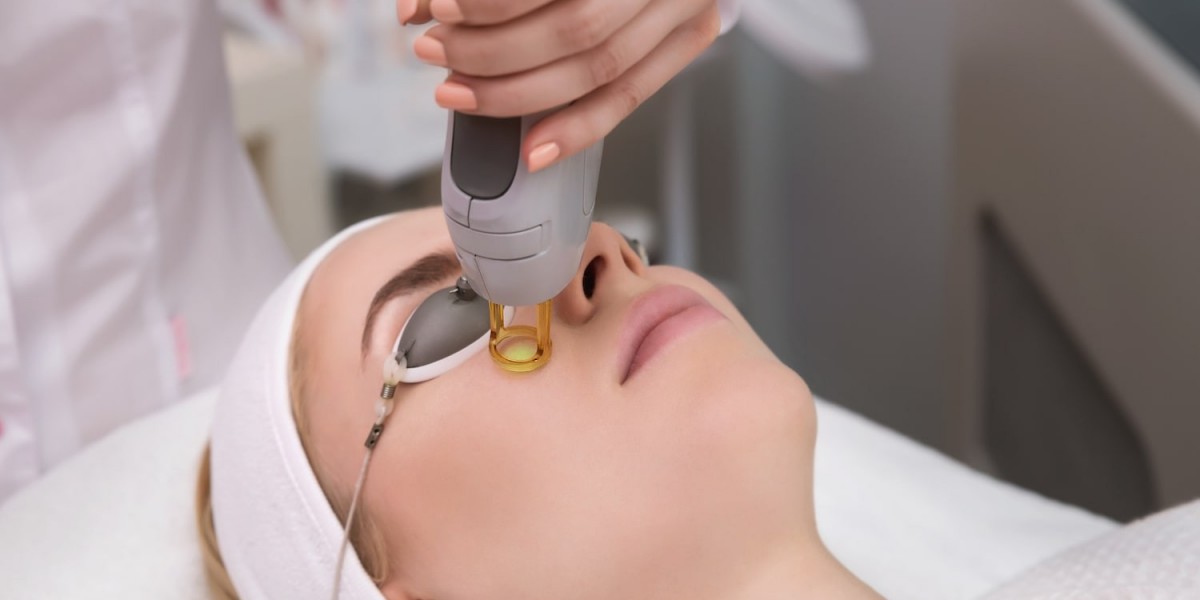
Fractional CO2 laser is a more advanced version of traditional CO2 resurfacing. Instead of targeting the entire skin surface, it treats fractional "micro-zones" of skin, leaving surrounding tissue intact. These untreated areas help accelerate healing while still stimulating collagen production and skin renewal.
This newer technique has become the gold standard for treating multiple concerns, including:
Fine lines and wrinkles
Mild to moderate acne scars
Pigmentation
Large pores
Uneven skin tone
Because it’s less invasive, patients benefit from faster recovery, fewer risks, and more comfortable post-treatment care.
Key Differences Between Traditional and Fractional CO2
1. Coverage and Precision
Traditional CO2 Laser: Treats the entire surface of the skin uniformly, removing complete layers in one pass.
Fractional CO2 Laser: Delivers energy in a grid-like pattern, treating pinpointed areas and preserving healthy surrounding skin.
Result: Fractional CO2 allows for customized treatment, focusing on problem areas while minimizing damage to healthy tissue.
2. Downtime and Recovery
Traditional CO2 Laser: Requires 10 to 21 days of recovery. Redness, oozing, and crusting are common during healing.
Fractional CO2 Laser: Typically requires 5 to 7 days of downtime. Most patients experience mild redness and flaking.
Result: Fractional CO2 is a more practical choice for individuals with busy schedules or lower tolerance for extended recovery periods.
3. Risk and Side Effects
Traditional CO2 Laser: Higher risk of post-inflammatory hyperpigmentation (PIH), especially in medium to darker skin tones. Risk of infection and scarring is also elevated.
Fractional CO2 Laser: Much lower risk due to the preservation of untreated skin, which promotes faster healing and reduces complications.
Result: Fractional CO2 is generally safer for a broader range of skin types, including Fitzpatrick skin types III-V.
4. Treatment Depth and Aggressiveness
Traditional CO2 Laser: Penetrates deeply and removes multiple layers of skin at once, making it suitable for severe aging and scarring.
Fractional CO2 Laser: Still penetrates effectively but in a controlled and less aggressive manner.
Result: While traditional CO2 may offer dramatic results in one session, Fractional CO2 can deliver comparable improvements over multiple, safer sessions.
5. Comfort During the Procedure
Traditional CO2 Laser: Often requires general anesthesia or deep sedation due to the intensity of the treatment.
Fractional CO2 Laser: Typically performed with topical numbing cream and local anesthesia, making it a more comfortable and outpatient-friendly option.
Result: Fractional CO2 makes the treatment process easier and more accessible for patients who prefer non-hospital procedures.
6. Scarring and Texture Improvement
Traditional CO2 Laser: Effective for deep pitted acne scars and severe texture damage.
Fractional CO2 Laser: Also excellent for acne scars but typically best for mild to moderate cases and refining skin texture rather than total resurfacing.
Result: Traditional CO2 may still be used selectively for extreme scarring, while Fractional CO2 is ideal for comprehensive rejuvenation.
7. Customization and Versatility
Traditional CO2 Laser: Limited in adjustable settings. Not always suitable for sensitive areas.
Fractional CO2 Laser: Highly customizable in terms of depth, intensity, and coverage. Can safely treat delicate areas like under the eyes, neck, and chest.
Result: Fractional CO2 provides dermatologists with the flexibility to tailor treatments based on patient skin type, goals, and tolerance levels.
Which One Should You Choose?
Choosing between traditional and fractional CO2 laser resurfacing depends on several factors, including:
Skin type
Severity of skin concerns
Recovery time availability
Budget and treatment goals
If you’re dealing with deep wrinkles, extensive sun damage, or traumatic scarring, traditional CO2 might offer faster results—but at a higher risk. However, if you’re looking for rejuvenation with minimal disruption, Fractional CO2 laser is a more advanced, safer, and widely recommended choice today.
A professional consultation with a certified dermatologist can help determine which approach suits your skin best.
Why Fractional CO2 Is Ideal for Islamabad’s Climate and Skin Types
Islamabad’s hot climate and high UV index make post-treatment sun protection critical, especially after any laser procedure. Because Fractional CO2 has quicker recovery times and less intense skin barrier disruption, it’s much easier to manage post-care, even during warmer months. Moreover, with many patients in Pakistan having medium to deeper skin tones, Fractional CO2 minimizes the risk of pigmentation changes, making it especially suitable for the local population.
Conclusion
Fractional CO2 laser resurfacing represents a major evolution in aesthetic dermatology, offering a safer, more comfortable, and equally effective alternative to traditional CO2 lasers. With reduced downtime, customizable treatments, and lower risk of complications, it is quickly becoming the preferred solution for patients seeking comprehensive skin rejuvenation.