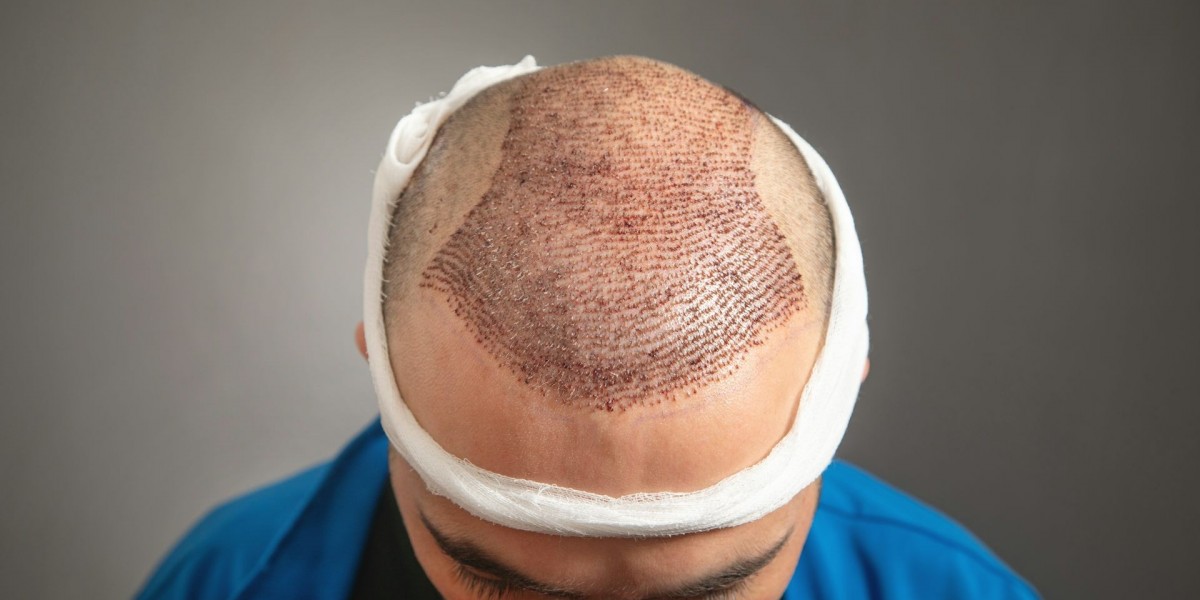

Hair loss is a deeply personal experience that affects millions of people around the world. For many, it’s not just about aesthetics—it can significantly impact confidence and self-esteem. Hair transplantation offers a long-term and natural-looking solution. However, individuals who have underlying medical conditions often ask a vital question: Can I get a hair transplant if I have a medical condition? The short answer is: it depends. While many patients with controlled health issues can undergo the procedure safely, others may face limitations based on the type or severity of their condition. If you’re considering a Hair transplant in Islamabad, the best way to ensure your safety and success is by consulting with a reputable clinic that prioritizes thorough evaluations, like the renowned SKN Cosmetics clinic.
Why Your Medical History Matters
Hair transplantation is a surgical procedure, albeit minimally invasive. It still places physical demands on the body and requires proper healing. Your overall health plays a significant role in how well your body will tolerate the surgery and recover afterward. For this reason, your medical history is a critical part of the pre-operative evaluation.
Doctors will assess your current medications, existing diagnoses, lifestyle habits, and even any previous surgeries. The goal is not to disqualify you but to determine the safest and most effective approach to treatment.
Common Medical Conditions That May Affect Eligibility
Some conditions may require special precautions, while others may pose a higher risk and make hair transplantation inadvisable. Here are a few examples:
1. Diabetes (Type 1 and Type 2)
People with well-controlled diabetes can often undergo hair transplant surgery. However, healing may be slightly slower, and there's a higher risk of infection. Your surgeon may coordinate with your primary care physician or endocrinologist to manage your blood glucose levels before and after the procedure. Poorly controlled diabetes, on the other hand, can severely compromise healing and increase surgical risks.
2. Hypertension (High Blood Pressure)
Like diabetes, controlled hypertension is usually not a barrier to hair transplant surgery. Surgeons may take extra precautions during the operation to maintain stable blood pressure and avoid complications. Patients on blood thinners may need to adjust their medications before the procedure.
3. Autoimmune Disorders
Conditions like lupus, alopecia areata, or psoriasis can complicate hair transplant outcomes. In autoimmune-related hair loss, the body attacks its own hair follicles—even newly transplanted ones. These patients may not be ideal candidates unless their condition is in remission and well-managed.
4. Heart Disease
Patients with a history of heart attacks, arrhythmias, or other cardiac conditions must undergo careful screening. Although local anesthesia is typically used in hair transplants, any surgical stress can affect the cardiovascular system. Clearance from a cardiologist may be required before moving forward.
5. Bleeding Disorders
Clotting disorders such as hemophilia or those who are on anticoagulant therapy (e.g., warfarin, aspirin) face an increased risk of bleeding during and after surgery. In such cases, your surgical team must evaluate the feasibility of temporarily discontinuing the medication or proceeding with enhanced precautions.
6. Skin Conditions Affecting the Scalp
People with chronic skin conditions like eczema, dermatitis, or seborrheic dermatitis may need to have their scalp treated before surgery. Active inflammation or infection in the donor or recipient area could compromise the results or even lead to complications.
7. Cancer (Current or History Of)
If you are undergoing chemotherapy or radiation therapy, a hair transplant is generally not recommended. Once treatment is complete and you’ve been medically cleared, transplantation may be considered. However, scarring or damaged follicles from treatment must be evaluated before moving forward.
8. HIV or Hepatitis
Modern safety protocols allow many patients with controlled HIV or Hepatitis B/C to undergo hair restoration if their viral load is low and immune function is stable. Clinics must be informed in advance to ensure proper sterilization, care, and patient safety.
Pre-Surgical Evaluation and Testing
Before you are approved for a hair transplant, your surgeon will request a comprehensive medical history and may perform several diagnostic tests, including:
Blood pressure and blood sugar testing
Complete blood count (CBC)
Liver and kidney function tests
Coagulation profile
Scalp analysis
ECG or cardiac evaluation (if needed)
These assessments help determine whether you’re a suitable candidate and allow the clinic to personalize your treatment plan based on your condition.
Importance of Transparency with Your Surgeon
One of the most important things you can do as a patient is be completely honest about your medical history. Even if you think a condition is minor or irrelevant, it could affect the outcome of your procedure. Hiding information or skipping medications may increase the risk of side effects, infection, or transplant failure.
A good surgeon will never proceed with the surgery if they believe the risks outweigh the benefits. They may instead recommend alternative options such as PRP (Platelet-Rich Plasma) therapy or low-level laser therapy for individuals who aren’t surgical candidates.
Managing Risks During the Procedure
If you’re cleared for surgery, your medical condition will be carefully managed throughout the process. The surgical team will take several measures to minimize risk, such as:
Adjusting anesthesia dosage
Monitoring vital signs throughout surgery
Providing prophylactic antibiotics
Scheduling closer post-op follow-ups
Recommending supportive therapies like PRP to enhance healing
All of this contributes to a safer experience and higher satisfaction with your results.
Is It Worth It?
Yes—if your health is stable and your condition is well-managed, a hair transplant can be a safe and rewarding procedure. Countless patients with chronic conditions have undergone successful transplants and regained not just their hair, but also their confidence.
However, the key lies in choosing the right clinic and the right surgeon. You need a team that understands both aesthetic outcomes and medical safety.
Conclusion
So, can you get a hair transplant if you have a medical condition? In many cases, the answer is yes—but with caution, proper screening, and a personalized approach. Not every patient is an ideal candidate, but with the right management and medical support, people with various conditions can safely enjoy the benefits of hair restoration.
If you're considering a Hair transplant in Islamabad, it’s crucial to consult with experts who understand your specific health concerns. The SKN Cosmetics clinic is one of the leading institutions in the region, known for its commitment to safety, excellence, and individualized patient care. With advanced diagnostics, skilled surgeons, and a compassionate team, they’ll help you determine whether you’re a good candidate and guide you through every step of your hair restoration journey.