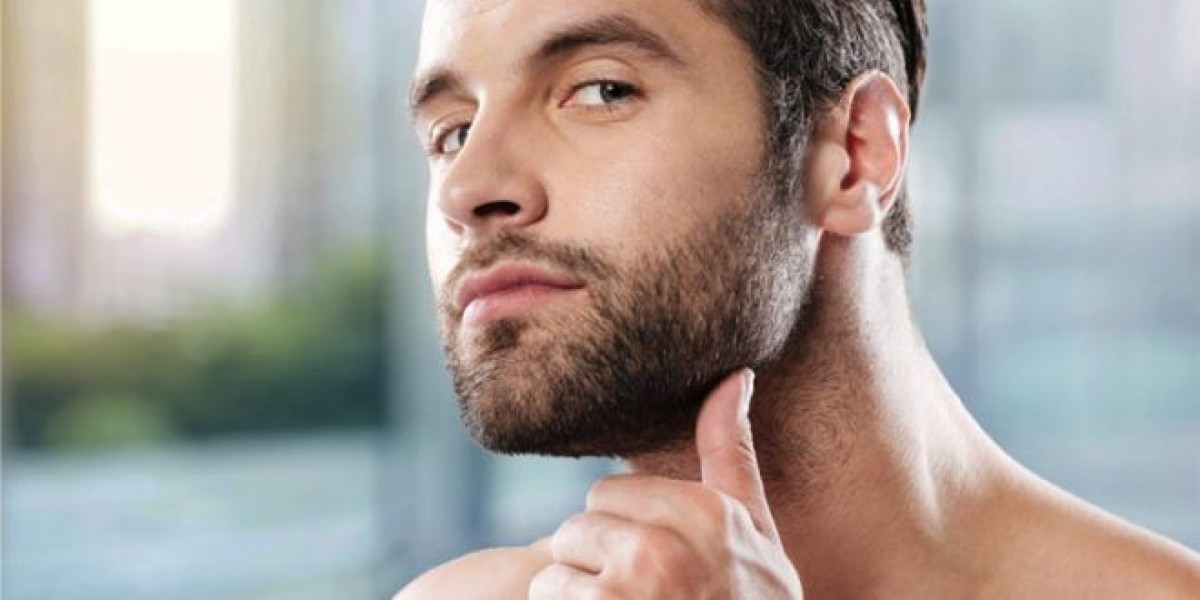

Beard transplants have become a popular solution for men seeking fuller, more defined facial hair. The procedure, while relatively straightforward, involves harvesting hair follicles from a donor area—typically the back of the scalp—and implanting them in the beard region. For those considering a Beard hair transplant in Islamabad, understanding the donor area's healing process is just as important as the results. Proper care and awareness during recovery ensure better outcomes, reduced risks, and enhanced appearance.
What Is the Donor Area in Beard Transplants?
In most beard transplant procedures, the donor area is located at the back or sides of the scalp. These regions contain hair follicles that are genetically resistant to balding, making them ideal for transplantation. Surgeons extract these follicles using techniques like FUE (Follicular Unit Extraction), which is minimally invasive but still requires healing.
Why Focus on Donor Area Recovery?
While many patients focus on how the beard will look post-transplant, the donor area's recovery is crucial for several reasons:
Aesthetic Restoration: A poorly healed donor area can leave visible scars or patches.
Comfort and Health: Redness, swelling, or infection can cause discomfort if not managed.
Hair Density: Overharvesting or improper healing may affect the hair density in the donor zone.
Monitoring this area during recovery ensures optimal overall results.
Day-by-Day Recovery Timeline
Day 1: Post-Op Care Begins
Immediately after surgery, the donor area will be sensitive. Mild discomfort, redness, and swelling are common. A gauze dressing may cover the area, and a protective cap is often recommended.
Pain: Managed with prescribed medication
Care tip: Do not touch or wash the area
Day 2–3: Swelling and Sensitivity
Swelling may persist and begin to extend slightly around the neck or ears. Redness will still be visible.
Avoid sun exposure
Do not engage in physical activity
Use a neck pillow while sleeping to avoid pressure on the back of the head
Day 4–7: Scabbing Begins
Small scabs begin to form at each follicle extraction site. These scabs are part of the healing process and should not be picked or disturbed.
Mild itching is expected—do not scratch
The clinic may suggest gentle saline spray
Use of mild shampoo with a cup rinse (not direct water pressure) may begin if approved
Week-by-Week Recovery Timeline
Week 2: Scabs Start Falling Off
By this time, most scabs will naturally fall off as healing progresses. The area may still be pink or slightly tender.
Do not shave or clip the donor area
Continue following your surgeon’s post-care instructions
Week 3–4: Redness Fades
Redness usually begins to subside by the end of the third week. You may start to see early hair regrowth in the donor zone.
Light exercise can resume
Avoid harsh shampoos or styling products
Week 5–6: Normalcy Returns
Most signs of surgery disappear. The scalp returns to its natural tone, and new hair begins to grow in the donor area.
Resume normal haircare routine
Avoid direct sun exposure for extended periods
You can resume trimming or styling the donor hair
Month-by-Month Recovery Expectations
Month 2–3: Shedding Phase
You may experience shedding of transplanted hairs (called “shock loss”), which is normal and temporary. The donor area, however, remains stable and continues healing internally.
Month 4–6: Growth and Restoration
New hair growth becomes visible in both the beard and donor regions. The donor area usually appears indistinguishable from its pre-surgical state by now.
Tips to Accelerate Donor Area Healing
Follow Surgeon Instructions Religiously
Never deviate from prescribed care. Post-op guidelines are tailored to reduce risk and enhance healing.Stay Hydrated and Eat Well
Proper nutrition supports cell regeneration and immune function, promoting faster recovery.Avoid Smoking and Alcohol
These can slow the healing process by reducing blood flow and impairing immune response.Use Recommended Products Only
Stick to shampoos and ointments provided or approved by your clinic.Don’t Panic About Temporary Shedding
Shedding is part of the cycle and doesn’t indicate failure.Massage Only After Approval
In later stages, gentle scalp massages can stimulate blood flow and promote healing.
When to Contact Your Surgeon
While mild symptoms are common, consult your surgeon if you experience:
Persistent pain beyond the first week
Pus, foul smell, or signs of infection
Excessive swelling or bruising
Numbness lasting more than a few weeks
Your clinic is the best source for professional advice and early intervention.
Long-Term Donor Area Maintenance
Even after recovery, maintaining the health of your donor area is crucial. Here’s how:
Use Sunscreen: UV rays can damage scalp tissue, especially after surgery.
Choose Gentle Haircare: Minimize harsh chemicals or excessive heat styling.
Regular Check-Ups: Follow-up appointments ensure everything is healing as expected.
Scarring and Visibility: What to Expect
With modern FUE techniques, scarring is minimal. However, some patients may notice tiny white dots or slightly thinner regions if the area was overharvested.
Scars fade significantly over time
Hair around the donor zone typically camouflages any marks
A skilled surgeon strategically extracts to avoid visible thinning
How Clinics in Islamabad Handle Donor Recovery
Leading hair restoration centers in Islamabad prioritize patient comfort and meticulous recovery planning. Aftercare usually includes:
Take-home kits with sterile dressing, saline spray, and shampoo
Written recovery timeline and dos/don’ts
24/7 hotline for post-op questions
Clinics also provide scalp evaluations during follow-up to assess donor area healing and ensure no long-term complications.
Choosing the Right Clinic
When selecting a provider, consider their experience with donor management—not just beard aesthetics. Ideal clinics:
Use FUE instead of FUT (which causes a linear scar)
Offer detailed aftercare plans
Have successful donor healing testimonials
Provide personalized consultations
Dynamic Aesthetic Clinic Islamabad is one such reputable name, known for precision in extraction, attention to donor area recovery, and post-transplant support. Dynamic Aesthetic Clinic Islamabad
Common Donor Area Myths
Myth 1: The donor area won’t grow back.
Truth: Hair does not regrow in extracted spots, but the surrounding follicles compensate for the loss, maintaining density.
Myth 2: All surgeries leave big scars.
Truth: With FUE, scarring is minimal and barely noticeable when done correctly.
Myth 3: Post-op pain is unbearable.
Truth: Mild discomfort is common but easily managed with medications and care.
Conclusion
Donor area recovery is a vital but often overlooked aspect of the beard transplant journey. Islamabad’s top clinics emphasize careful extraction, strategic healing, and patient education to ensure seamless results. With proper care, your donor area will recover without complications, supporting a successful transformation. Prioritize aftercare, follow clinical advice, and stay patient—your journey to a fuller, natural-looking beard starts with how well you heal.