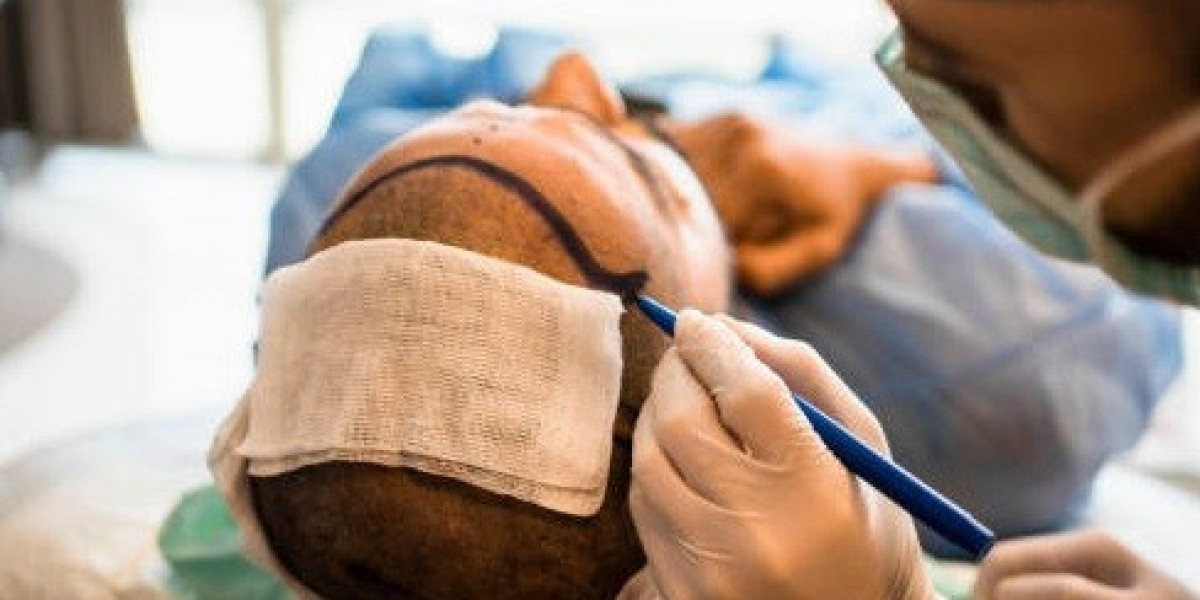

Hair transplants have become one of the most popular and effective solutions for treating hair loss, offering permanent, natural-looking results. However, many people considering the procedure often wonder: Can your body reject a hair transplant? This is an important concern, especially for those seeking Hair Transplant in Islamabad, as the success of the procedure depends largely on how your body responds to it. In this article, we’ll break down what actually happens during a hair transplant, whether rejection is possible, and how to ensure long-lasting, healthy results.
Understanding the Hair Transplant Process
To answer this question, it’s important to first understand how a hair transplant works. The procedure involves removing healthy hair follicles from a “donor area” — usually the back or sides of the head — and implanting them into areas experiencing thinning or baldness. Since the transplanted follicles come from your own body, the risk of rejection is extremely low.
Unlike organ transplants, where the immune system might attack foreign tissue, hair transplants use your own genetic material, so your body naturally accepts it. This is why the concept of “rejection” in hair transplants is not the same as in organ transplants.
Why Your Body Won’t Reject Your Own Hair Follicles
One of the biggest advantages of a hair transplant is that it’s an autologous procedure, meaning the donor and recipient are the same person. Because the transplanted follicles are genetically identical to the ones in the donor area, your immune system recognizes them as your own and doesn’t attack them.
This is completely different from medical situations involving donor organs or tissues from another person, where the immune system identifies the tissue as foreign and may reject it.
When Hair Transplants Appear to “Fail”
While the body doesn’t reject its own hair follicles, there are instances when a transplant might seem unsuccessful. These situations are usually caused by other factors:
1. Poor Graft Survival
If the hair follicles are not handled carefully during the extraction and implantation process, they can be damaged and fail to grow.
2. Post-Surgery Infection
Infections in the recipient area can damage transplanted follicles, reducing overall survival rates.
3. Shock Loss
After a transplant, some existing hair may fall out temporarily due to stress on the scalp. While this is normal and usually reversible, it can create the impression of rejection.
4. Poor Aftercare
Not following post-surgery care instructions — such as avoiding scratching, excessive sweating, or sun exposure — can reduce graft survival.
5. Progressive Hair Loss
A hair transplant doesn’t stop natural hair loss. If you continue losing hair in untreated areas, it can make results seem less successful over time.
How to Maximize Hair Transplant Success
Even though rejection in the true medical sense doesn’t occur, ensuring high survival rates for transplanted grafts requires careful planning and proper aftercare:
Choose a Skilled Surgeon
A qualified and experienced surgeon ensures proper extraction, handling, and implantation of follicles, which directly affects graft survival.
Follow Pre- and Post-Op Instructions
Your surgeon will give you specific guidelines about washing your scalp, avoiding certain activities, and using prescribed medications. Following these carefully is crucial.
Avoid Smoking and Alcohol
Both can restrict blood flow to the scalp, delaying healing and affecting graft survival.
Maintain a Healthy Scalp
Keeping the scalp clean and free of infection helps transplanted follicles settle and grow effectively.
Common Myths About Hair Transplant “Rejection”
Myth 1: The body can reject transplanted hair like an organ transplant.
False — the procedure uses your own hair, so your immune system won’t reject it.
Myth 2: All hair transplants are permanent without any maintenance.
While transplanted hair is permanent, your existing hair can still thin over time, so maintenance treatments may be needed.
Myth 3: If hair doesn’t grow immediately, the body has rejected it.
Not true — transplanted hair typically sheds in the first few weeks before starting new growth after 3–4 months.
Timeline of What to Expect After a Hair Transplant
First 2 Weeks: Healing period; some redness and mild swelling are normal.
Weeks 2–8: Transplanted hairs often shed during this time (shedding phase).
3–4 Months: New hair begins to grow from the transplanted follicles.
6–12 Months: Significant hair growth with improved thickness and density.
1 Year and Beyond: Final results are visible; transplanted hair continues to grow naturally.
Can Medical Conditions Affect the Outcome?
While your body won’t reject your own hair follicles, certain health conditions can affect healing and graft survival:
Uncontrolled diabetes — Slows down healing and increases infection risk.
Autoimmune disorders — May cause inflammation or hair shedding.
Poor circulation — Can reduce blood supply to the scalp, affecting follicle growth.
For this reason, a thorough medical evaluation before surgery is important to ensure the best possible results.
Final Thoughts
The simple answer is no — your body cannot reject a hair transplant because the procedure uses your own hair follicles. What some people interpret as “rejection” is often due to poor graft survival, post-surgery complications, or progressive hair loss in non-transplanted areas. By choosing an experienced surgeon and following proper aftercare, you can maximize the survival of transplanted hair and enjoy natural, lasting results.
If you are considering a Hair Transplant in Islamabad, it’s important to work with experts who not only perform the surgery with precision but also guide you through the recovery process to ensure the highest success rate.
At SKN Cosmetic Clinic, the team of skilled surgeons combines advanced hair restoration techniques with personalized patient care. From consultation to recovery, they focus on delivering safe, natural-looking, and permanent results so you can confidently enjoy your new hair without worrying about “rejection.”