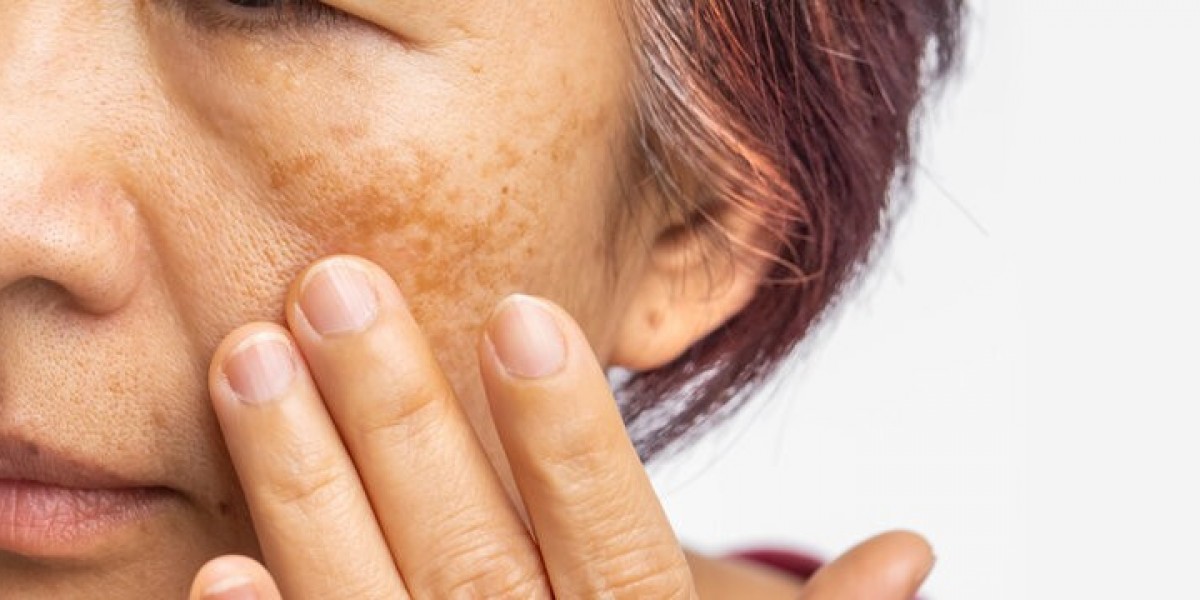

Melasma is one of the most common pigmentation concerns affecting individuals in Islamabad and across the globe. Characterized by brown or grayish patches on the skin, particularly on the face, melasma can cause cosmetic distress and lower confidence. With modern dermatological solutions, achieving clear and radiant skin is possible. Many individuals now turn to Melasma Treatment in Islamabad for effective and lasting solutions.
In this article, we answer frequently asked questions (FAQs) about melasma treatment, providing clarity and guidance for those considering this skin procedure.
What is Melasma, and What Causes It?
Melasma is a skin condition marked by hyperpigmentation, typically appearing on the cheeks, forehead, nose, and chin. It results from excessive melanin production in the skin.
Causes include:
Sun Exposure: Ultraviolet (UV) radiation triggers melanin activity.
Hormonal Changes: Pregnancy, birth control pills, or hormone therapy often contribute.
Genetics: Family history increases the risk.
Skin Irritation: Harsh skincare products may worsen pigmentation.
Environmental Triggers: Heat and pollution also play a role.
Who is a Good Candidate for Melasma Treatment?
Anyone experiencing melasma who wants clearer, more even-toned skin may benefit from treatment. Ideal candidates include:
Men and women with visible pigmentation patches.
Patients with realistic expectations.
Those committed to sun protection post-treatment.
Individuals not pregnant or breastfeeding (since hormonal changes may persist).
What Types of Melasma Treatments Are Available in Islamabad?
Dermatologists in Islamabad offer multiple treatment options tailored to individual needs. Common treatments include:
Topical Creams: Hydroquinone, retinoids, and corticosteroids reduce pigmentation gradually.
Chemical Peels: Exfoliate skin layers and lighten dark patches.
Laser Therapy: Targets melanin deposits with precision for faster results.
Microdermabrasion: Non-invasive resurfacing that improves skin tone.
Oral Medications: Sometimes prescribed for stubborn cases.
Each treatment is chosen based on skin type, severity of melasma, and patient lifestyle.
How Effective Are These Treatments?
Effectiveness depends on the chosen method and patient compliance. While some people see visible improvements in just a few sessions, others may require long-term treatment. Importantly, melasma is a manageable condition, not always permanently curable, which means maintenance and sun care are crucial for long-lasting results.
Is Melasma Treatment Safe?
Yes, melasma treatments are generally safe when performed by qualified dermatologists. However, safety also depends on skin type and procedure type. Mild side effects may include:
Temporary redness
Minor irritation
Mild swelling
These effects usually subside within days. Serious complications are rare when treatment is provided by certified professionals.
How Long Does It Take to See Results?
Results vary by treatment type:
Topical creams: 6–12 weeks for visible results.
Chemical peels: Noticeable improvement after 2–3 sessions.
Laser treatments: Significant results after 3–6 sessions.
Consistency and post-treatment care are vital for maintaining progress.
What Should I Expect Before and After Treatment?
Before Treatment:
Consultation and skin analysis.
Advice on avoiding sun exposure and certain skincare products.
Possible patch test to check for reactions.
After Treatment:
Redness or mild sensitivity for a few days.
Strict sun protection required.
Use of dermatologist-recommended skincare for best results.
Gradual fading of pigmentation over time.
Can Melasma Return After Treatment?
Yes, melasma can return, especially without proper aftercare. Factors such as sun exposure, hormonal changes, or lifestyle habits can trigger recurrence. Dermatologists emphasize consistent sunscreen use, a balanced skincare routine, and periodic maintenance treatments to control reappearance.
How Much Does Melasma Treatment Cost in Islamabad?
Costs vary depending on the type of treatment, number of sessions, and clinic reputation. Generally, chemical peels and topical creams are more affordable, while advanced laser treatments are higher priced but deliver faster results. Patients should consult their dermatologist for a personalized cost estimate.
Why Choose Professional Clinics Over Home Remedies?
While home remedies like lemon juice or aloe vera may provide temporary relief, they are not scientifically proven to treat melasma effectively. Professional treatments ensure safe, measurable, and long-term results. Trusted clinics, such as Dynamic Clinic Islamabad, offer modern solutions administered by certified dermatologists.
Expert Tips for Maintaining Results
Apply Sunscreen Daily: Choose SPF 30 or higher.
Follow Dermatologist’s Instructions: Stick to prescribed skincare.
Avoid Heat and Sun Exposure: Wear hats and seek shade outdoors.
Use Gentle Products: Harsh skincare can worsen pigmentation.
Regular Maintenance Sessions: Periodic peels or laser touch-ups help sustain results.
Final Thoughts
Melasma can be stubborn, but with the right treatment plan and professional care, it can be managed effectively. Patients considering treatment in Islamabad should understand their options, the process, and the importance of ongoing care. By working with experienced dermatologists and adhering to aftercare advice, individuals can enjoy brighter, clearer, and more confident skin.