
Missing teeth can affect your smile, oral health, and overall confidence. When it comes to tooth replacement, patients in Islamabad often face a choice between dental implants and dental bridges. Each option has its benefits and considerations, and understanding these differences is key to making an informed decision. At SKN Cosmetic Clinic, expert dentists guide patients through the process, helping them choose the most suitable solution for their individual needs.
In this article, we’ll explore the differences between Dental Implants in Islamabad and dental bridges, highlighting their advantages, limitations, and factors to consider when selecting the right treatment.
What Are Dental Implants?
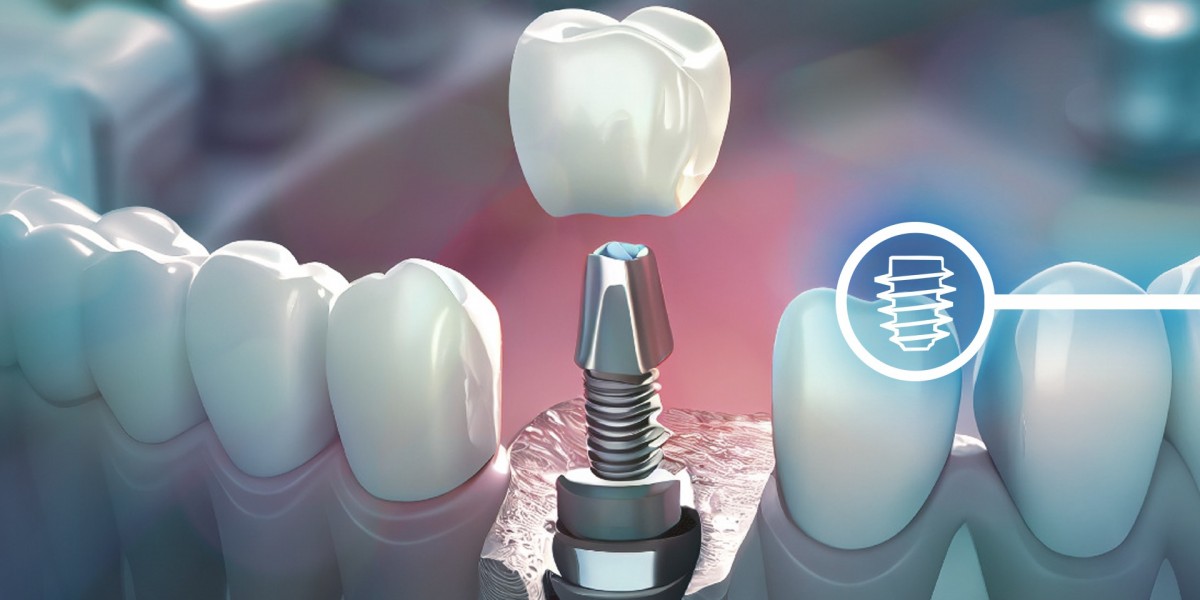
Dental implants are artificial tooth roots, usually made of titanium, that are surgically placed into the jawbone. Once the implant fuses with the bone through a process called osseointegration, a crown, bridge, or denture is attached to provide a natural-looking replacement.
Advantages of dental implants include:
Long-term durability and stability
Preservation of jawbone structure
Natural appearance and function
Minimal impact on adjacent teeth
Dental implants are ideal for patients looking for a permanent, low-maintenance solution to replace missing teeth.
What Are Dental Bridges?
Dental bridges are prosthetic teeth that “bridge” the gap created by one or more missing teeth. Traditional bridges are anchored to the adjacent natural teeth, which are often filed down to support the bridge. Bridges can restore appearance, chewing function, and speech, but they differ significantly from implants in terms of structure and maintenance.
Advantages of dental bridges include:
Faster placement compared to implants
No surgery required in many cases
Effective for replacing one or more adjacent missing teeth
However, bridges may require the modification of healthy teeth, which can affect their long-term strength.
Comparing Dental Implants and Bridges
To determine which option is right for you, it’s important to compare dental implants and bridges across several key factors:
1. Longevity and Durability
Dental Implants: With proper care, implants can last 20 years or more, often remaining functional for a lifetime. The titanium post integrates with the jawbone, providing a stable foundation for the replacement tooth.
Dental Bridges: Bridges generally last 10–15 years before needing replacement or adjustment. The reliance on adjacent teeth for support can weaken them over time, potentially leading to future dental issues.
2. Oral Health Impact
Dental Implants: Implants preserve the jawbone by stimulating bone growth, preventing bone loss associated with missing teeth. They also do not require alteration of adjacent teeth, maintaining natural dental structure.
Dental Bridges: Traditional bridges require filing down healthy teeth to support the prosthetic. While effective in filling gaps, this process can compromise the strength of natural teeth and may lead to decay or other complications in the long term.
3. Appearance and Comfort
Dental Implants: Implants closely mimic natural teeth in both appearance and function. They are permanently anchored, eliminating movement and discomfort.
Dental Bridges: Bridges provide a natural look but may feel less secure than implants. Since they are supported by neighboring teeth, there can be slight mobility or pressure on the gums.
4. Procedure and Healing Time
Dental Implants: Implant placement involves surgery and a healing period for osseointegration, which can take several months. While the process is longer, the result is a durable and permanent tooth replacement.
Dental Bridges: Bridges are faster to place, often completed in a few dental visits without surgery. They are suitable for patients seeking a quicker solution, though their lifespan is shorter compared to implants.
5. Cost Considerations
Dental Implants: Initial costs may be higher than bridges due to surgery, materials, and follow-up care. However, their longevity and low maintenance often make implants a more cost-effective solution over time.
Dental Bridges: Bridges are generally less expensive upfront but may incur additional costs over the years due to replacements or adjustments.
When Dental Implants Are the Better Choice
Dental implants are often recommended when:
A patient seeks a long-term, permanent solution
Adjacent teeth are healthy and should not be altered
Bone structure is adequate to support an implant
Patients want the closest approximation to natural teeth in appearance and function
Implants are ideal for single-tooth replacements, multiple missing teeth, or full-mouth restoration. They also offer the added benefit of preserving jawbone density and preventing facial sagging.
When Bridges May Be Preferable
Bridges may be suitable when:
A patient prefers a non-surgical approach
There are missing teeth adjacent to crowns or previously restored teeth
Quick restoration is desired
Budget constraints make implants less feasible
While bridges provide effective functional and aesthetic results, they may not offer the same long-term benefits as implants, particularly in maintaining bone density and protecting adjacent teeth.
Maintenance and Oral Hygiene
Dental Implants: Implants require regular brushing, flossing, and dental check-ups, much like natural teeth. There’s no need for adhesives or soaking solutions, making maintenance straightforward.
Dental Bridges: Bridges also require diligent oral hygiene, especially around the supporting teeth and beneath the prosthetic. Special cleaning tools, such as floss threaders, may be necessary to prevent decay and gum disease.
Patient Considerations
When deciding between dental implants and bridges, consider the following:
Overall health: Certain medical conditions may affect healing and suitability for implants.
Bone density: Adequate jawbone is necessary for implant stability. Bone grafting may be needed in some cases.
Lifestyle: Implants offer a more permanent, hassle-free solution, while bridges may require replacements over time.
Aesthetics: Implants provide a natural look and feel, closely mimicking real teeth.
A consultation with a skilled dentist can help evaluate your specific needs and determine the best option for restoring your smile.
Conclusion
Both dental implants and bridges are effective solutions for replacing missing teeth. While bridges offer a faster and less invasive option, dental implants provide superior longevity, stability, and oral health benefits. Understanding the differences between these treatments can help you make an informed decision tailored to your dental needs and lifestyle.
For patients in Islamabad seeking expert guidance and professional care, SKN Cosmetic Clinic provides high-quality Dental Implants in Islamabad and personalized treatment plans. Investing in the right tooth replacement solution ensures a healthy, confident, and long-lasting smile.