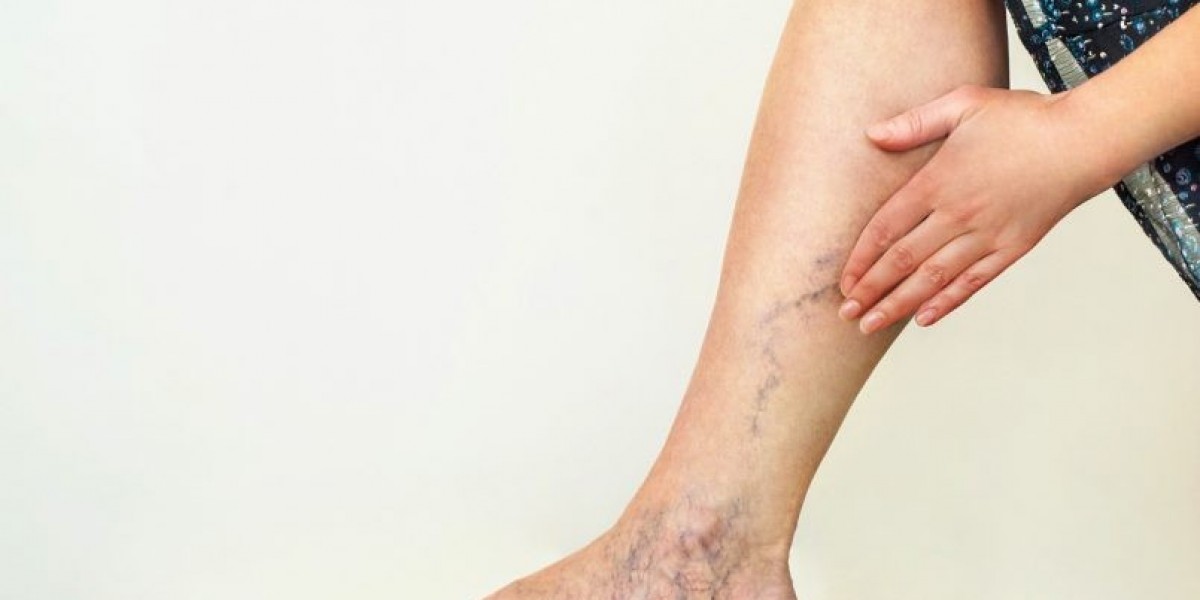

Compression therapy is one of the most effective non-invasive strategies for managing spider veins and promoting overall vein health. Spider veins, medically referred to as telangiectasias, are small, dilated blood vessels that appear near the surface of the skin, commonly on the legs. While often considered a cosmetic concern, spider veins can also cause discomfort, including itching, burning, swelling, or a feeling of heaviness in the legs. Compression therapy works by applying controlled pressure to the legs, supporting vein function, reducing venous pressure, and improving blood circulation. Understanding the mechanisms, benefits, and proper use of compression therapy can help individuals manage spider veins effectively. Many people seek spider veins treatment in Islamabad to improve both the appearance and health of their legs.
The primary principle behind compression therapy is the application of external pressure to the lower limbs, which helps veins function more efficiently. Veins contain one-way valves that prevent blood from flowing backward, ensuring that it moves toward the heart. In cases of spider veins or early venous insufficiency, these valves can weaken, causing blood to pool in superficial veins. Compression garments, such as stockings, sleeves, or socks, provide gentle but firm pressure that squeezes the leg tissues and veins, assisting the valves in returning blood upward. This mechanical support reduces blood stagnation, alleviates venous pressure, and minimizes the dilation of superficial veins.
Compression therapy also enhances circulation by supporting the calf muscle pump. The calf muscles act as a natural pump, propelling blood from the lower legs back to the heart during movement. However, in individuals who spend long periods sitting or standing, the calf muscles may not contract sufficiently, leading to blood pooling and increased venous pressure. By applying uniform compression, compression garments mimic the effect of muscle contraction, helping to push blood upward and reducing the likelihood of spider vein formation. Over time, this improved circulation can relieve symptoms such as leg fatigue, heaviness, and swelling, which are commonly associated with venous insufficiency.
Compression therapy is available in various types and pressure levels, allowing it to be tailored to the severity of the condition and individual needs. Graduated compression stockings are the most common form used for spider vein management. These stockings are designed to exert the greatest pressure at the ankle and gradually decrease toward the knee or thigh. This gradient pressure promotes upward blood flow and prevents venous pooling in the lower extremities. Compression levels are measured in millimeters of mercury (mmHg), ranging from mild (8–15 mmHg) to moderate (15–30 mmHg) and strong (30–40 mmHg). The appropriate level of compression depends on the severity of the vein condition, the individual’s comfort, and recommendations from a healthcare professional.
One of the major benefits of compression therapy is its ability to reduce symptoms associated with spider veins and venous insufficiency. Individuals often report a significant decrease in leg swelling, aching, and fatigue after consistent use. Compression garments also help prevent the progression of spider veins by supporting weakened veins and promoting healthy circulation. For people with existing vein conditions, compression therapy can complement other treatments, such as sclerotherapy or laser therapy, enhancing overall outcomes and reducing the risk of recurrence.
In addition to managing symptoms, compression therapy plays a preventive role. Individuals with a family history of vein problems, those who are overweight, pregnant women, and people who spend long hours standing or sitting are at higher risk for developing spider veins. Wearing compression stockings during prolonged periods of inactivity or throughout the day can help maintain proper venous pressure and circulation, lowering the risk of new vein formation. Regular use of compression garments, combined with exercise and lifestyle modifications, can significantly slow the progression of venous issues.
Proper use of compression therapy is essential for achieving optimal results. Stockings should fit snugly but not cause discomfort, and they should be worn as directed by a healthcare professional. It is often recommended to put compression garments on in the morning when the legs are least swollen and remove them at night. Consistent daily use is important for both symptom relief and prevention of further vein damage. Additionally, individuals should ensure proper garment sizing, as ill-fitting stockings may fail to provide adequate compression or may cause skin irritation.
Compression therapy can be combined with lifestyle adjustments for enhanced effectiveness. Regular physical activity, such as walking, cycling, or swimming, strengthens the calf muscles and improves circulation. Elevating the legs during rest, maintaining a healthy weight, avoiding prolonged periods of sitting or standing, and wearing comfortable footwear further support vein health. These complementary strategies, along with compression therapy, create a comprehensive approach to managing spider veins.
In conclusion, compression therapy is a highly effective, non-invasive method for managing spider veins, alleviating symptoms, and preventing further vein problems. By applying controlled pressure to the legs, compression garments support vein valves, enhance circulation, reduce venous pressure, and improve the function of the calf muscle pump. They are available in various forms and compression levels, allowing personalization based on individual needs. When combined with lifestyle adjustments and other vein treatments, compression therapy provides a safe and practical approach to maintaining vein health, reducing discomfort, and minimizing the visible appearance of spider veins.