
When we say “non‑surgical” for acne scars, we’re referring to treatments that do not involve cutting skin with a scalpel, excising tissue or relying primarily on invasive surgery. Instead these methods use technology, energy devices, topical treatments, or minimally invasive techniques to remodel or improve the scarred skin. These are ideal in many cases for patients who want effective improvement without full‑surgery, long downtime, or higher risk. Discover effective and safe solutions for Acne Scar Treatment in Islamabad to restore smooth and clear skin.
In Islamabad, many dermatology clinics describe acne scar treatments as “non‑surgical” when they include lasers, microneedling, radio‑frequency, chemical peels or subcision (the latter is minimally invasive rather than full surgery). The aim is visible improvement, smoother texture, less visible indentations and better tone.
Proven Non‑Surgical Treatments Available in Islamabad
Here are the main approaches used locally:
Laser & Light‑Based Therapies
Several clinics in Islamabad offer laser resurfacing or fractional lasers for scars. For example, a fractional CO₂ laser system creates controlled micro‑injuries in the deeper layers of the skin, stimulating collagen production and helping fill depressed scars. Users note this method as quite effective for atrophic (sunken) scars. These treatments are considered non‑surgical in that they don’t involve cutting away tissue, but they are still advanced and need proper after‑care.
Microneedling & Radio‑Frequency (RF) Microneedling
Microneedling uses fine needles to create micro‑channels in the skin, which trigger the skin’s healing response and boost collagen. When combined with radio‑frequency energy, they can penetrate deeper and improve texture and mild‑moderate atrophic scars. Because they don’t involve large incisions they fall into the “non‑surgical” category.
Chemical Peels and Surface Resurfacing
While not always sufficient alone for deep scars, medium and superficial peels help with surface irregularities, pigmentation leftover from acne, and mild scarring. They remove damaged outer layers, encourage renewal, and improve tone and smoothness without surgical intervention.
Subcision (Minimally Invasive, Not Full Surgery)
Although a bit more invasive than purely surface treatments, subcision is often categorized as minimally invasive rather than surgical because it involves using a small needle to break down fibrous bands under the skin that tether scars downward. Many clinics pair subcision with resurfacing techniques to improve results.
Combination Treatments
In practice, many non‑surgical scar removal plans in Islamabad are a mix: e.g., microneedling + laser + peel, or RF + chemical resurfacing. Combining treatments leads to better outcomes than one method alone, especially in moderate/complex scars.
Choosing the Right Clinic & Treatment Plan
Here’s what to look for when you’re considering non‑surgical scar removal in Islamabad:
Qualified dermatologist: Ensure the person performing the treatment is a registered dermatologist or qualified skin specialist rather than just a beauty salon.
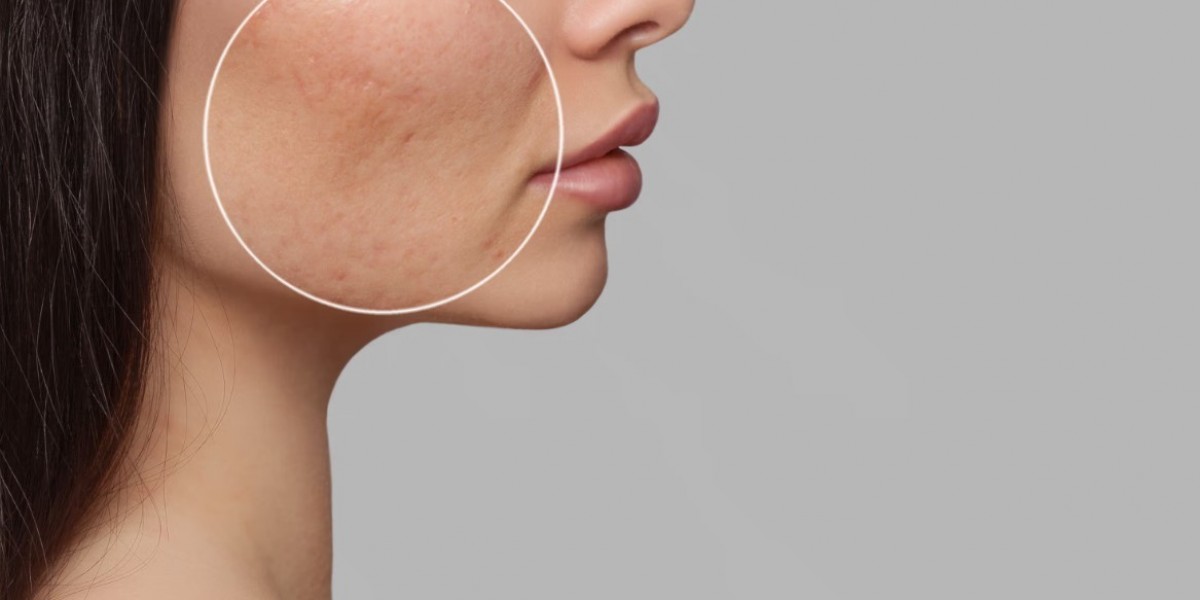
Assessment of scar type: A good clinic will categorize your scars (e.g., ice‑pick, boxcar, rolling) and propose an appropriate non‑surgical plan. Not all scars respond equally to the same treatment.
Transparent cost and session count: Many non‑surgical methods require multiple sessions (3‑6 or more) for visible improvement. Ask for the full plan, and check what the quoted price covers (consultation, after‑care, follow‑up) because partial quotes can mislead.
After‑care protocol & downtime: Even “non‑surgical” treatments may involve redness, swelling, peeling or downtime. Clarify how long you’ll need to avoid sun, makeup or heavy exercise.
Realistic expectations: Understand that non‑surgical removal often leads to improvement rather than complete removal of deep scars. Clinic and patient feedback suggest non‑surgical methods can significantly reduce visibility but not always eliminate the scar completely.
Safety for your skin tone: Given the skin tones common in Pakistan, ensure the clinic uses devices/settings appropriate for reducing risk of post‑treatment pigmentation or burns.
What to Expect: Process & Results
Here’s a typical process for non‑surgical scar removal:
Initial consultation: Your dermatologist reviews your past acne history, assesses active acne (which should be under control before treating scars), determines scar type/area and recommends a treatment plan.
Pre‑treatment preparation: You might be asked to avoid direct sun exposure for ~1‑2 weeks, stop strong exfoliants/retinoids, and arrive with clean skin.
Treatment sessions: Each session may take 30‑60 minutes depending on the device and area. A microneedling or RF session is less invasive; a non‑ablative laser may involve more heat but still less downtime than surgery.
After‑care: Immediately after you may have redness, slight swelling; in peels you might experience flaking/peeling over the next days. You’ll need to use gentle cleansers, moisturisers, and daily broad‑spectrum sunscreen to protect the new skin and avoid pigment changes.
Follow‑up: Sessions are spaced ~4‑6 weeks apart typically. You’ll start to notice smoother texture, less visible indentations and more even tone over time. Collagen remodeling continues even after the treatment phase.
Results timeline: Initial smoothing may appear within weeks; fuller improvement often appears over 3‑6 months as the skin remodels. Deep scars may need more sessions or eventual escalation to more intensive treatments.
Benefits vs Limitations
Benefits:
You avoid incisions, sutures, and many of the risks or longer downtime associated with surgery.
Many non‑surgical methods are more affordable than full surgical scar revision.
You can often return to normal activity more quickly.
Limitations:
For very deep, tethered scars (especially large ice‑pick or old scars), non‑surgical methods may not remove the scar fully. They may reduce visibility significantly, but may not erase the structural defect entirely.
Multiple sessions are commonly required, which means more cost and commitment.
Some treatments carry downtime and require good after‑care and sun protection; without that, results can be sub‑optimal.
Maximising Your Results
To get the best from non‑surgical scar removal in Islamabad:
Maintain sun protection every day (SPF 30‑50+) since sun damage negates many gains.
Live a skin‑healthy lifestyle: balanced diet, good sleep, reduced stress, hydration support healing.
Avoid new breakouts: If you’re still getting active acne, treat that first — you don’t want new scars undermining the improvement.
Stick with the treatment plan: Skipping sessions or neglecting after‑care reduces results.
Follow home‑care guidance: Use recommended serums/creams (like retinoids, gentle exfoliants) as instructed by your dermatologist to support the professional treatments.
Final Thoughts
If you’re in Islamabad and looking to remove acne scars without surgery, there are solid, well‑established non‑surgical options. Lasers, microneedling, RF treatments, chemical peels and combinations thereof give meaningful improvement for many patients. The key is matching the treatment to your scar type, selecting a qualified clinic, committing to the full plan (sessions + after‑care) and going in with realistic expectations. You may not get complete erasure of a deep scar, but many people achieve visibly smoother, more even skin and higher confidence with non‑surgical methods. With the right approach, non‑surgical scar removal is both practical and effective.