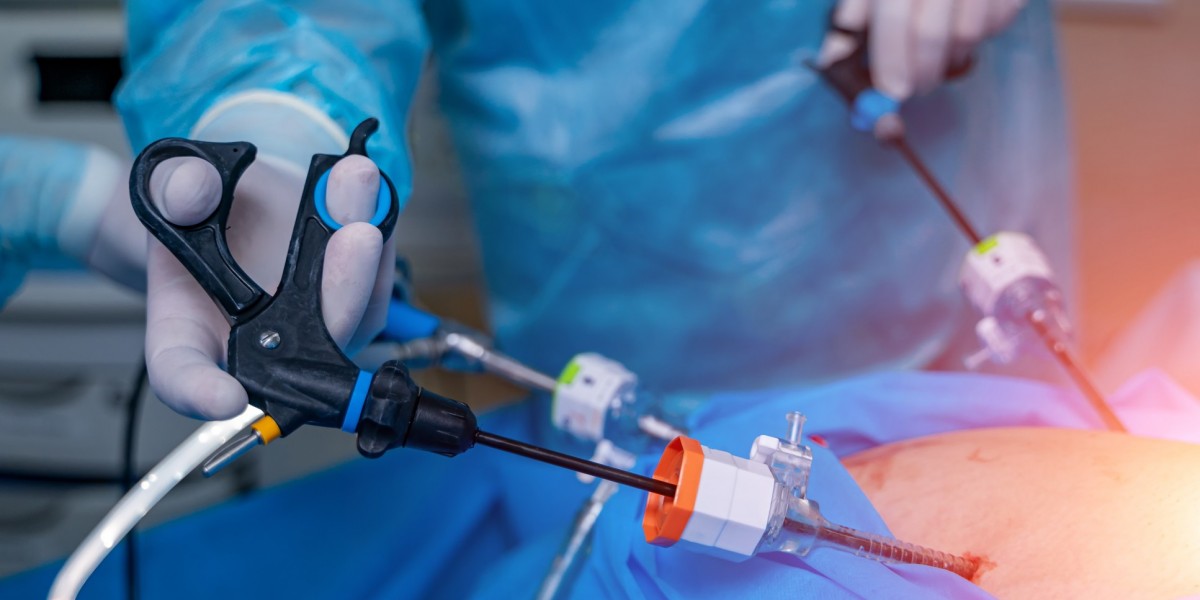

Bariatric surgery has become a vital intervention for treating severe obesity and its related health complications in Islamabad. While its popularity is growing, ensuring patient safety and adherence to high medical standards is paramount. This article outlines the essential safety standards and medical protocols that hospitals and surgical teams should observe to deliver high‑quality bariatric care in Islamabad. Bariatric Surgery in Islamabad offers a safe and effective solution for individuals struggling with obesity to achieve lasting weight loss and improved overall health.
1. Pre‑operative Assessment and Patient Selection
A rigorous pre‑operative evaluation is the foundation of safe bariatric surgery. Before the surgery, patients must undergo detailed screening that includes:
Medical history review: identifying comorbidities such as type 2 diabetes, hypertension, sleep apnea, cardiovascular disease or joint problems.
Physical examination and laboratory tests: blood work, imaging and nutritional assessments to ensure the patient is fit for surgery.
Psychological evaluation: to assess emotional readiness, eating behaviours, expectations and ability to commit to lifelong lifestyle changes.
Nutritional counselling: ensuring patients understand the dietary and supplementation requirements after surgery.
Selection criteria: generally, candidates include individuals with a BMI above a threshold (for example BMI ≥ 40, or ≥35 with serious comorbidities), who have failed conventional weight‑loss efforts and understand the risks and lifelong commitments.
These steps ensure that only suitable patients are offered surgery, reducing risk and improving outcomes.
2. Multidisciplinary Team and Facility Capability
Bariatric surgery is not simply an operation—it involves coordinated care by a multidisciplinary team and must be conducted in a facility equipped for high risk cases. Key requirements include:
Surgeon competency: The operating surgeon should be experienced in bariatric/metabolic procedures, trained in laparoscopic techniques and able to manage complications.
Team members: In addition to the surgeon, a qualified anaesthesiologist, ICU/critical care staff, dietician/nutritionist, psychologist or psychiatrist, physiotherapist/rehabilitation specialist and nursing staff knowledgeable in bariatric care must be involved.
Facility standards: The hospital should have an intensive care unit (ICU) or high‑dependency unit, advanced laparoscopic equipment, emergency back‑up (e.g., for bleeding, leaks, infection), diagnostic imaging, and capability for post‑operative monitoring and re‑intervention if required.
Volume and protocols: It is generally accepted that centres performing higher volumes of procedures tend to have better safety records. Facilities should have established protocols for bariatric patients including charts, checklists and follow‑up systems.
These structural and team‑based standards are critical for safe surgery.
3. Surgical Protocols and Enhanced Recovery Principles
Modern bariatric surgery protocols emphasise minimally invasive techniques (laparoscopy or robotics) and enhanced recovery after surgery (ERAS) protocols, which help reduce complications, shorten hospital stays and improve patient comfort. Important elements are:
Minimally invasive approach: Smaller incisions, reduced trauma and faster recovery.
Standardised intra‑operative safety checklists: confirming patient identity, procedure, anticipated anatomy and equipment readiness.
Intra‑operative monitoring: careful management of anaesthesia, fluid balance, blood loss and vital signs.
Post‑operative early mobilisation: Encouraging patients to start light walking as soon as feasible to reduce the risk of deep‑vein thrombosis and pulmonary complications.
Multimodal pain management: Minimising use of opioids, utilising non‑opioid analgesics, regional anaesthesia when applicable.
Structured discharge criteria: Patients should meet defined benchmarks (pain under control, able to walk, tolerating fluids, stable vitals) before being discharged.
These protocols help standardise care, reduce variability, and improve patient safety and outcomes.
4. Post‑operative Monitoring, Nutritional Management and Follow‑Up
Safe bariatric care extends far beyond the operating room. Post‑operative monitoring and long‑term follow‑up are crucial to detect complications early and ensure lasting success. Key aspects include:
Immediate post‑op care: Patients are monitored for bleeding, leaks, infection, deep‑vein thrombosis, pulmonary embolism, and other acute complications. Vital signs, drain output (if used), fluid intake/output, and other parameters are regularly assessed.
Nutrition and supplementation: After the reduced stomach size and/or altered gut anatomy, patients are at risk of nutrient deficiencies (e.g., iron, vitamin B12, calcium, vitamin D). Routine screening and supplementation must be part of the protocol.
Lifestyle and diet adherence: Patients must transition through staged diets (clear liquids, full liquids, pureed foods, soft foods, then solid foods) and adopt healthy eating habits permanently.
Regular clinical follow‑up: Scheduled visits to monitor weight loss progress, comorbidity improvement (diabetes, hypertension), nutritional status, and mental health are essential. Early recognition of weight regain, nutritional deficiency or psychological issues allows timely intervention.
Support systems: Access to dietitians, psychologists, and support groups enhances adherence and long‑term success.
Without this comprehensive post‑op protocol, even a technically flawless surgery may yield sub‑optimal results or increased risk of complications over time.
5. Error Management and Quality Assurance
Hospitals offering bariatric surgery in Islamabad should adopt a culture of safety, continuous monitoring, and improvement. Components of this include:
Maintaining a registry of bariatric patients: tracking outcomes, complications, readmissions and revisional surgeries.
Audits and peer‑review: analysing adverse events to identify patterns, root causes and implement corrective measures.
Patient education and consent: It is vital that patients are fully informed about the risks, benefits, need for lifelong follow‑up, potential complications, and the fact that surgery is not a shortcut.
Emergency protocols: Clear guidelines for detection and management of acute complications—such as leaks, internal bleeding, obstruction—must be in place with on‑call surgical, radiology and ICU support.
Accreditation and external standards: Hospitals should aim for accreditation or adopt internationally recognised safety standards for bariatric surgery to ensure consistent quality.
These mechanisms help raise standards and consistently deliver safe, effective care.
Conclusion
In Islamabad, as the demand for bariatric surgery grows, maintaining rigorous safety standards and medical protocols is indispensable. From patient selection and multidisciplinary team coordination, through skilled surgical execution and enhanced recovery protocols, to structured long‑term follow‑up and quality assurance, every step plays a part in safeguarding patient outcomes. For individuals considering bariatric surgery in Islamabad, choosing a facility that adheres to these standards and protocols offers the best chance of safe surgery and sustained health benefit. Successful bariatric surgery is ultimately not just about the operation—it’s about lifelong commitment, comprehensive care and sound medical practices.