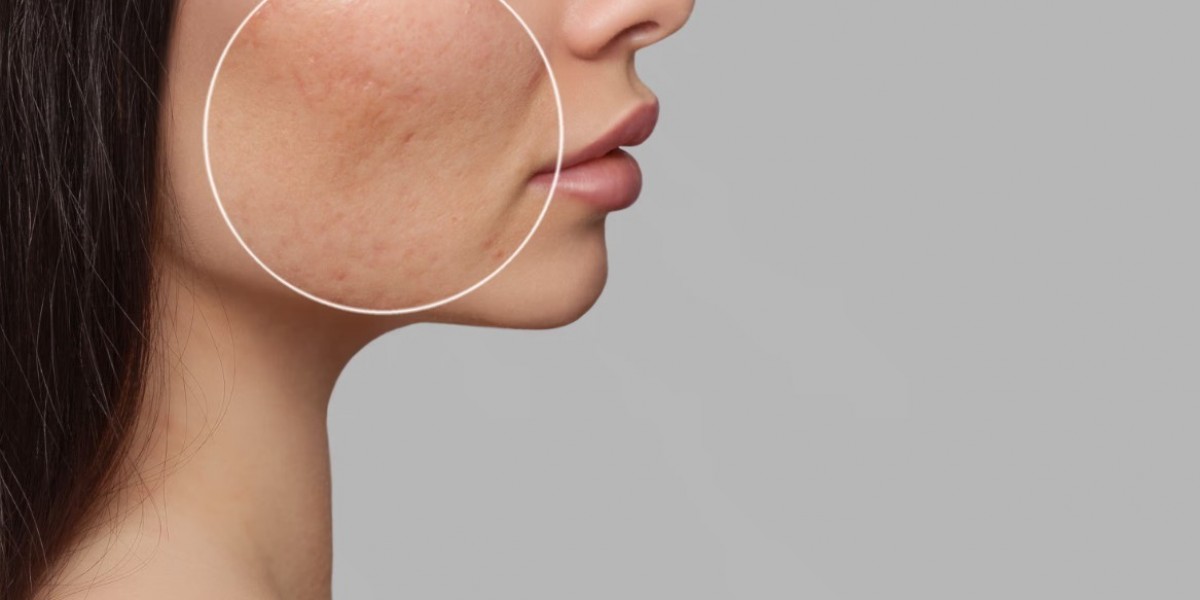

Acne scars can be a lasting reminder of past breakouts, affecting both the skin’s appearance and a person’s self-confidence. While laser treatments are often highlighted as a solution, non-laser options provide effective alternatives, especially for those looking for lower downtime, reduced risk of pigmentation changes, or treatments more suited for darker skin tones. In Islamabad, a range of non-laser therapies is available, allowing patients to choose treatments tailored to their skin type, scar severity, and lifestyle. Many people are now opting for Acne Scar Treatment in Islamabad to achieve smoother, clearer, and more confident-looking skin.
What Are Non-Laser Treatments?
Non-laser treatments refer to procedures that improve the appearance of acne scars without using high-intensity light or ablative lasers. Instead, these methods stimulate the skin’s natural healing process, encourage collagen production, or physically release fibrous tissue under the scar. Common non-laser treatments include microneedling, chemical peels, subcision, dermal fillers, and platelet-rich plasma (PRP) therapy.
Popular Non-Laser Treatments
Microneedling (Collagen Induction Therapy)
Microneedling uses tiny needles to create controlled micro-injuries in the skin. This stimulates the body’s natural healing response and promotes collagen and elastin production, helping to improve skin texture and reduce scar depth. It is particularly effective for rolling scars and shallow boxcar scars. Multiple sessions are typically required to achieve visible improvement. In Islamabad, dermatologists often combine microneedling with PRP or vitamin C serums to enhance results and accelerate healing.Chemical Peels
Chemical peels involve applying a solution to the skin that exfoliates the top layers, promoting regeneration of smoother, healthier skin underneath. Light to medium-depth peels, such as glycolic acid, salicylic acid, or TCA peels, are commonly used for acne scars. They can help fade post-inflammatory hyperpigmentation, improve skin texture, and reduce the visibility of shallow scars. For residents of Islamabad, careful selection of peel strength is essential to avoid unwanted pigmentation changes, especially in darker skin tones.Subcision
Subcision is a minor surgical procedure used primarily for rolling scars. A dermatologist inserts a small needle or blade under the scar to release fibrous bands that tether the skin downward. Once released, the skin lifts naturally, making the scar less noticeable. This procedure is often combined with dermal fillers to provide additional volume and improve the overall contour of the affected area. Recovery is typically short, though mild swelling and bruising may occur for a few days.Dermal Fillers
Fillers are injectable substances that add volume beneath depressed scars, helping to smooth the skin’s surface. They are especially useful for deep boxcar scars or areas where subcision alone is insufficient. Results are immediate, though they may be temporary depending on the type of filler used. In Islamabad, many clinics offer hyaluronic acid-based fillers, which are safe for a wide range of skin types.Platelet-Rich Plasma (PRP) Therapy
PRP therapy uses the patient’s own blood to extract platelets and growth factors, which are then injected into scarred areas to stimulate healing and collagen production. PRP is often combined with microneedling for enhanced results. It is considered safe for all skin types, with minimal risk of pigmentation changes or allergic reactions. Recovery time is short, and patients often notice gradual improvement in skin texture and elasticity over several weeks.
Choosing the Right Treatment
Selecting the most suitable non-laser treatment depends on several factors:
Type of Scar: Rolling scars respond well to subcision and microneedling, while boxcar or shallow scars may benefit more from chemical peels or fillers. Ice-pick scars may require specialized techniques or combination treatments.
Skin Tone: Darker skin tones are more prone to post-inflammatory hyperpigmentation, making gentle treatments like microneedling, PRP, and superficial peels preferable.
Lifestyle and Downtime: Non-laser treatments generally have shorter recovery times than aggressive laser therapy. Patients in Islamabad can often continue daily activities with minimal interruption.
Budget and Sessions: Some treatments require multiple sessions for optimal results. Combining treatments may improve effectiveness but can also increase cost, so planning is important.
Clinic and Practitioner Expertise: The skill and experience of the dermatologist play a critical role in achieving good results. Careful evaluation of past patient outcomes and clinic standards is recommended.
Realistic Outcomes and Expectations
Non-laser treatments can significantly improve the appearance of acne scars, creating smoother skin, more even tone, and better overall texture. However, it is important to have realistic expectations: complete scar removal is rarely possible. The goal is to reduce visibility, improve skin confidence, and maintain skin health. Gradual improvement over several weeks to months is normal, and combining multiple non-laser techniques can enhance results for more severe scarring.
Post-treatment care is essential, including proper sun protection, gentle skincare, and following the dermatologist’s instructions. Patients in Islamabad should also be mindful of the city’s strong sunlight and pollution, which can affect recovery and long-term outcomes.
Conclusion
Non-laser acne scar treatments in Islamabad offer effective and safe alternatives to laser therapy, especially for those with darker skin tones or those seeking lower downtime. Options such as microneedling, chemical peels, subcision, dermal fillers, and PRP therapy allow patients to improve scar texture, depth, and skin tone while supporting overall skin health. By working with a skilled dermatologist, understanding the limitations and realistic outcomes, and following proper post-treatment care, patients can achieve meaningful improvements and restore confidence in their skin’s appearance.