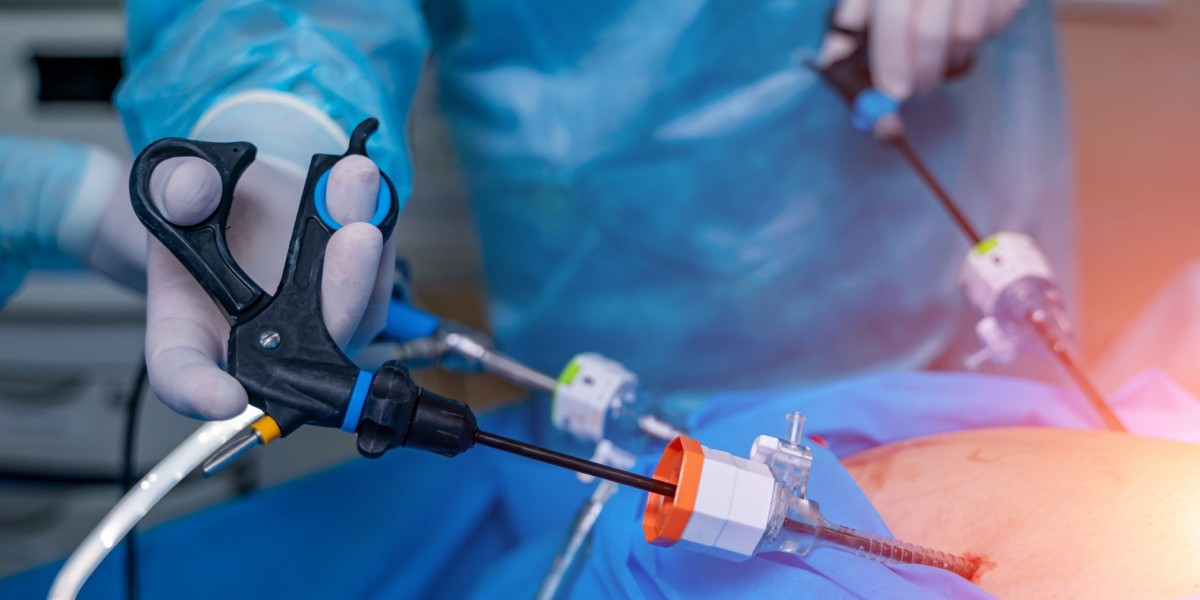

Undergoing bariatric surgery is a major life decision that brings both physical and emotional changes. While much attention is given to the surgery itself, one of the most critical aspects of recovery is the preparation that happens beforehand. Preparing your home and family for post-surgery care can make your transition smoother, reduce stress, and help you heal faster. Recovery after bariatric surgery requires lifestyle changes, rest, and emotional support, and setting up the right environment is key to long-term success. Bariatric Surgery in Islamabad offers a life-changing option for individuals struggling with obesity and related health issues.
Understanding the Recovery Period
The recovery period after bariatric surgery varies from person to person and depends on the type of procedure performed. Most patients stay in the hospital for one to three days and then continue healing at home for several weeks. During this time, it’s normal to feel tired, sore, and limited in movement. The stomach is adjusting to its new size, and dietary changes must be introduced gradually. Preparing in advance ensures that you can focus entirely on recovery without worrying about household tasks, meals, or logistics.
Step 1: Preparing Your Home Environment
Before surgery, it’s helpful to create a comfortable, safe, and supportive home environment. A few small adjustments can make your space more convenient during recovery.
Organize Your Living Space:
Arrange frequently used items—such as water bottles, medications, remotes, and chargers—within easy reach. Avoid bending or stretching too much during the early recovery phase.Set Up a Comfortable Resting Area:
You may need to rest frequently after surgery, so ensure your bed or recliner is easily accessible. Many patients prefer a recliner or a bed with extra pillows for better back and abdominal support. Consider placing your resting area near a bathroom for convenience.Ensure Safety and Accessibility:
Clear walkways of clutter, cords, or rugs that might cause tripping. Keep lighting adequate, especially for nighttime movement. If your home has stairs, try to limit how often you need to use them during the first week.Meal Preparation:
Before your surgery, prepare small portions of healthy meals and freeze them. Initially, your diet will include liquids and soft foods, so stock up on protein shakes, broths, sugar-free gelatin, and soups. Having these items ready prevents the temptation to eat foods that are not yet suitable for your new stomach.Hydration Supplies:
Keep a reusable water bottle nearby at all times. Sipping water regularly is vital after surgery, as dehydration can occur easily. Avoid using straws, as they can introduce air into the stomach and cause discomfort.Medication Station:
Designate a small area for medications, supplements, and vitamins. Use labeled containers or a pill organizer to stay consistent with your prescribed regimen.
Step 2: Preparing Your Family and Support Network
Family support plays a major role in your recovery and long-term success after bariatric surgery. Emotional and practical assistance can make a big difference.
Educate Your Family:
Explain the surgery, its purpose, and what your recovery will look like. Many family members may not fully understand what bariatric surgery entails or how strict the postoperative diet is. Sharing this information helps them provide appropriate support and encouragement.Set Realistic Expectations:
Let your loved ones know that recovery may involve fatigue, discomfort, and emotional ups and downs. Encourage patience and understanding as your body heals and adjusts.Assign Responsibilities:
Delegate tasks such as grocery shopping, cooking, cleaning, or childcare for the first few weeks. If you live alone, consider asking a friend or relative to stay with you for the initial recovery period.Plan for Emotional Support:
Emotional adjustment after bariatric surgery can be challenging. It’s normal to experience mood swings, frustration, or anxiety as you adapt to dietary restrictions and body changes. Encourage open communication with your family and seek their support when you feel overwhelmed. Joining a support group—either in-person or virtual—can also help you connect with others going through similar experiences.
Step 3: Planning for Physical and Nutritional Needs
After bariatric surgery, your body’s nutritional and physical needs change significantly.
Follow Your Diet Plan Strictly:
Your healthcare team will provide a specific diet progression—from liquids to pureed foods, then soft foods, and finally solids. Having these items ready beforehand reduces stress and supports healing. Avoid foods that are high in sugar, fat, or carbonation.Stay Physically Comfortable:
During the first week, light walking is encouraged to improve circulation and prevent blood clots. Prepare comfortable clothing, such as loose-fitting shirts and elastic-waist pants, to make movement easier.Plan for Follow-Up Appointments:
Schedule your follow-up visits with your surgeon, nutritionist, and psychologist before surgery. Make sure you have transportation arranged, especially for the first appointment when you may not be able to drive.Post-Surgery Supplies:
Have items like a thermometer, wound care materials (if needed), and supportive abdominal garments ready. Keep contact numbers for your doctor or hospital easily accessible in case of emergencies.
Step 4: Mental and Emotional Preparation
Mental preparation is just as important as physical readiness. Understand that recovery and adjustment take time. You are not just healing from surgery—you are starting a new lifestyle. Be patient with yourself as your body adapts and your relationship with food evolves.
Set Realistic Goals: Focus on progress rather than perfection.
Celebrate Small Victories: Whether it’s drinking more water, walking an extra block, or resisting unhealthy foods, acknowledge your achievements.
Avoid Negative Self-Talk: Change takes time, and your journey is unique. Surround yourself with positivity and understanding.
Conclusion
Preparing your home and family for post-surgery care is a crucial step toward a successful recovery after bariatric surgery. By organizing your environment, educating your loved ones, and planning for your nutritional and emotional needs, you create a strong foundation for healing. The days following surgery can be physically demanding and emotionally intense, but with the right preparation and support, you can navigate this phase smoothly. Remember, bariatric surgery is not just about weight loss—it’s about transforming your lifestyle, health, and well-being. Proper preparation ensures that your journey begins in a safe, supportive, and empowering way.