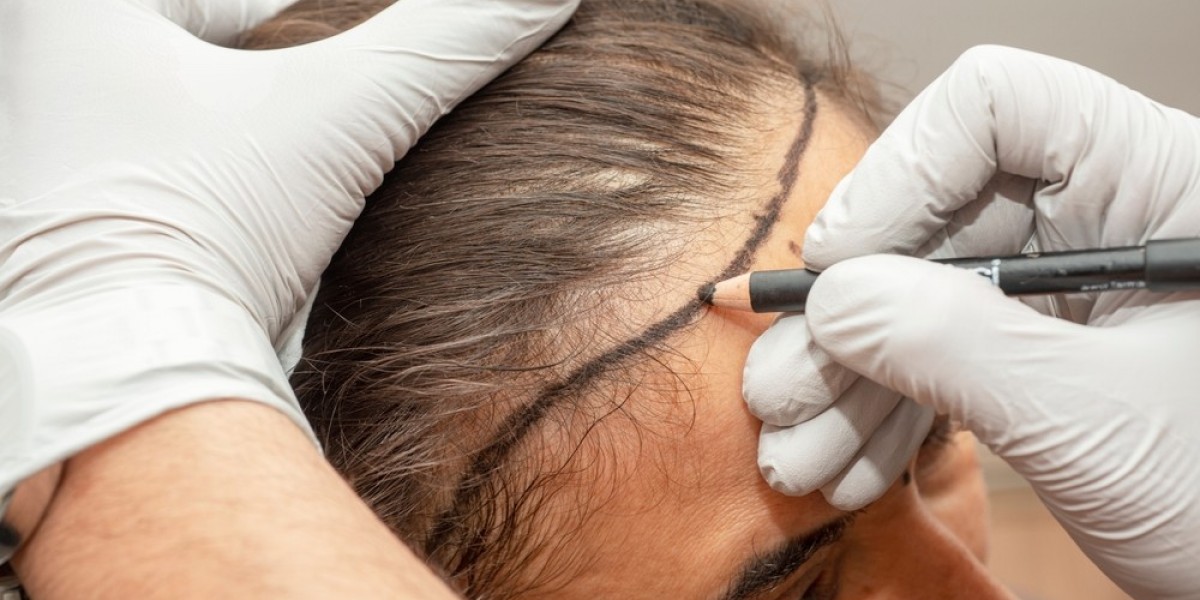

When you decide to undergo a Hair Transplant in Islamabad, it’s natural to expect full and permanent results after one session. However, depending on your hair loss severity, donor area capacity, and desired density, some individuals may require more than one session or a follow-up transplant to achieve optimal results.
In this blog, we’ll explore why some patients might need additional sessions, how second transplants work, and what you can expect from your overall hair restoration journey in Islamabad.
Understanding the Basics of a Hair Transplant
A hair transplant involves transferring healthy hair follicles from the donor area (usually the back of the scalp) to the thinning or bald regions. The transplanted grafts are permanent and grow naturally for life.
However, since each person’s scalp condition and hair loss pattern differ, the number of grafts that can be safely extracted and implanted in one session also varies.
For patients with mild to moderate baldness, a single session is often enough. But those with extensive hair loss or progressive baldness may require an additional session in the future to achieve full coverage or improve density.
Factors That Determine the Need for Additional Sessions
Several factors influence whether or not you’ll need a second hair transplant session in Islamabad. Let’s go over the most common ones:
1. Extent of Baldness
The larger the bald area, the higher the number of grafts required. If your donor area doesn’t have enough density for a single session, your surgeon may recommend splitting the procedure into two sessions.
2. Donor Area Limitations
The success of a hair transplant depends on the donor area’s strength. Some patients have limited donor hair, so surgeons prioritize frontal restoration first and perform a second session later for the crown or mid-scalp.
3. Desired Hair Density
Patients seeking high-density results might need more than one session. The first session establishes the base coverage, and the second enhances fullness and volume.
4. Progressive Hair Loss
Hair loss can continue in untreated areas even after a successful transplant. Since transplantation only moves existing hair, your surgeon might recommend a second session if new thinning occurs later.
5. Technique Used (FUE or FUT)
FUE (Follicular Unit Extraction) allows for multiple sessions because it’s minimally invasive. FUT (Strip method) patients can also have additional sessions, but with more consideration for scar healing and donor elasticity.
Timing Between the First and Second Transplant
Typically, surgeons recommend waiting 8 to 12 months before undergoing another hair transplant session. This gap allows:
Full growth and stabilization of transplanted hair
Assessment of final results from the first session
Evaluation of donor area recovery
By this time, your doctor can determine how well the grafts have survived and whether additional treatment is needed for density or coverage improvement.
When Is a Second Hair Transplant Necessary?
You might need a second session if:
You have advanced hair loss (Norwood stage 5 or higher).
You notice uneven density after your first session.
You want to improve the naturalness of your hairline or crown.
You experience further hair thinning years after your first transplant.
The good news? A second hair transplant is typically smaller, faster, and focused on refinement rather than major coverage.
How a Second Session Is Performed
A second session follows the same process as the first:
Evaluation of donor and recipient areas
Local anesthesia for comfort
Graft extraction using FUE or FUT technique
Implantation into the required areas
Because your scalp has already adapted from the previous procedure, healing and growth in the second session are usually smoother and quicker.
Non-Surgical Alternatives to Support Hair Transplant Results
Before opting for another session, your surgeon may suggest Hair loss treatment in Islamabad to enhance your transplant’s results and prevent future hair shedding.
Some popular treatments include:
PRP (Platelet-Rich Plasma): Stimulates hair growth and strengthens graft survival.
GFC Therapy: Uses growth factors to activate dormant follicles.
Laser Therapy: Improves blood flow and encourages healthy growth.
Medication (Minoxidil or Finasteride): Helps maintain existing hair.
These options work synergistically with your transplant, promoting healthier, thicker, and longer-lasting results.
How to Know If You’ll Need Multiple Sessions
Your initial consultation is key. During your evaluation, your hair transplant surgeon will examine your:
Hair loss stage and pattern
Donor hair strength
Scalp condition
Future hair loss prediction
Based on these factors, they will give you a realistic idea of how many sessions you may need to achieve your desired look.
If your goal is complete coverage of a large bald area, you’ll likely require more than one transplant to achieve natural density without overharvesting your donor area.
Can a Second Transplant Improve My First Results?
Yes! Many patients return for a “touch-up” or density-enhancement session. A second transplant can:
Fill in thin spots from the first surgery
Refine the hairline for better aesthetics
Restore areas where additional coverage is desired
Even if your first transplant gave good results, a second one can make them great — creating a fuller, denser, and more youthful appearance.
Recovery After a Second Hair Transplant
The healing process for a second transplant is generally the same as the first. You can expect:
Mild redness and swelling for a few days
Scab shedding within 7–10 days
New growth starting after 3–4 months
Visible results after 8–12 months
Since the scalp has already adjusted once before, most patients report an even faster recovery the second time.
How to Maintain Your Results
To prolong the effects of your transplant and reduce the need for further procedures, follow these maintenance tips:
Eat a healthy, protein-rich diet
Use mild, sulfate-free shampoos
Avoid excessive heat or chemical treatments
Follow your surgeon’s aftercare plan
Continue prescribed medications or supplements
These habits help strengthen your hair and maintain your transplant for years to come.
Choosing the Right Clinic for Multiple Sessions
If you’re considering multiple sessions, selecting an experienced and ethical surgeon is essential. A skilled specialist will plan your treatment carefully, ensuring donor preservation and natural density balance.
Avoid clinics that promise instant results or push unnecessary transplants. A qualified professional will guide you step-by-step, prioritizing both short-term success and long-term hair health.
Conclusion
Needing an additional session after your Hair Transplant in Islamabad isn’t a sign of failure — it’s part of a strategic approach toward achieving your ideal result. Every scalp and hair pattern is unique, and sometimes, two sessions are better than one to achieve lasting density and coverage.
For expert evaluation, modern techniques, and personalized care, visit SKN Cosmetics. Their experienced team uses advanced transplant methods and complementary therapies to ensure natural, fuller, and permanent outcomes — all tailored to your unique hair restoration journey.