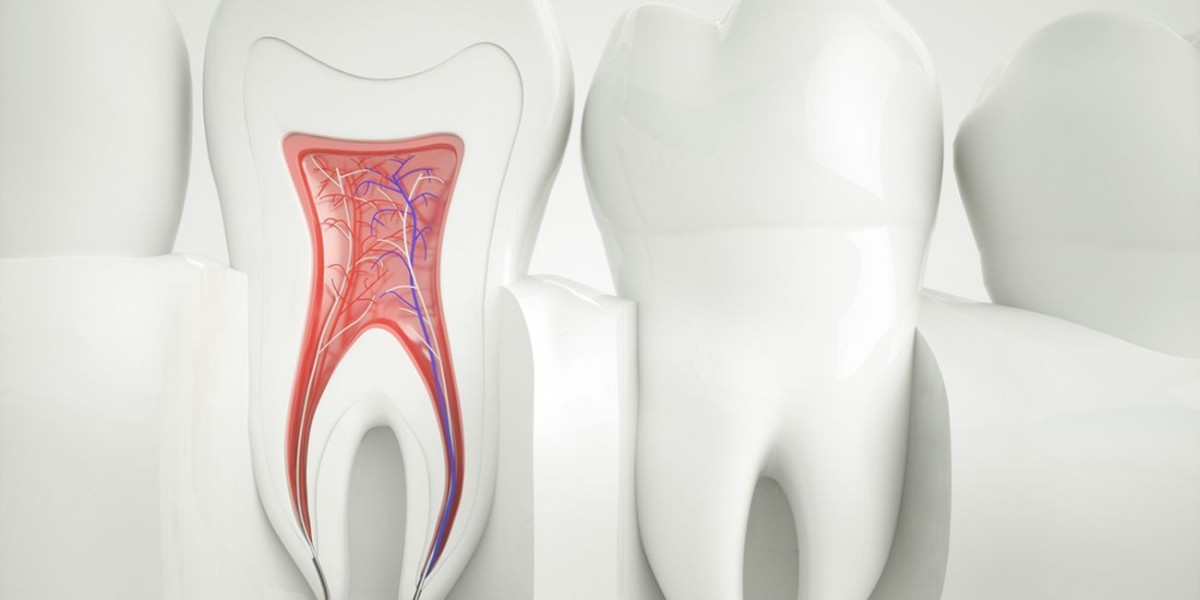

Root canal treatment is one of the most common dental procedures performed worldwide and is widely regarded as a safe and effective method for saving teeth that have been severely damaged or infected. The procedure involves removing infected or inflamed pulp tissue from inside the tooth, cleaning and disinfecting the canals, and sealing them to prevent further infection. While root canal treatment has a high success rate, like any medical or dental procedure, it carries some risks and potential complications. Understanding these risks can help patients make informed decisions and take steps to ensure the best possible outcome. Many patients search for affordable and pain-free Root Canal Treatment in Islamabad to save their natural teeth and maintain oral health.
Common Risks of Root Canal Treatment
Infection
Although root canal treatment is designed to eliminate infection from the tooth pulp, there is a small risk that bacteria may persist or re-enter the tooth after the procedure. If the canals are not fully cleaned or sealed, infection can return, potentially requiring retreatment or, in severe cases, tooth extraction. Signs of reinfection include persistent pain, swelling, sensitivity, and the formation of abscesses.Pain and Discomfort
Mild to moderate discomfort is common following a root canal, especially during the first few days after the procedure. Pain may occur due to inflammation of the surrounding tissues or irritation from dental instruments. Typically, this discomfort is temporary and can be managed with over-the-counter pain relievers. However, severe or persistent pain may indicate complications such as infection or nerve irritation.Tooth Fracture
After a root canal, the treated tooth can become more brittle because the pulp, which contains nourishing blood vessels, has been removed. This can increase the risk of cracks or fractures over time, especially if the tooth is not properly restored with a crown or filling. A fractured tooth may require additional dental treatment, including repair or extraction in severe cases.Incomplete Cleaning
The root canal system is often complex, with multiple canals, branches, and curves that can be difficult to access and clean thoroughly. If any portion of the pulp tissue remains, it can lead to persistent infection or inflammation. This is one of the main reasons retreatment of a previously treated root canal may be necessary.Damage to Surrounding Structures
During the procedure, there is a slight risk of injury to surrounding tissues, including nerves, blood vessels, or adjacent teeth. For example, teeth in the lower jaw are close to the inferior alveolar nerve, and in rare cases, this nerve can be irritated, leading to temporary or, very rarely, permanent numbness or tingling in the lip, chin, or tongue.Instrument Breakage
Root canal procedures involve using fine, delicate instruments to clean and shape the canals. Occasionally, an instrument may break inside the canal. While dentists are trained to manage such situations, the broken fragment can make complete cleaning more difficult and increase the likelihood of infection if not properly addressed.
Less Common Complications
Allergic Reactions
Though rare, some patients may experience allergic reactions to materials used in root canal treatment, such as latex gloves, certain medications, or dental filling materials. These reactions are generally mild but may require medical attention in more severe cases.Persistent Symptoms
Even after successful treatment, some patients may continue to experience mild sensitivity or discomfort. This may be due to inflammation in the surrounding tissues rather than an active infection. Most cases resolve over time with proper care, but persistent pain should be evaluated by a dentist.Abscess Formation
In rare cases, if the infection is not fully cleared or if bacteria re-enter the canals, an abscess may develop at the tip of the tooth root. Abscesses are pockets of pus that can cause swelling, severe pain, and fever, and may require additional procedures such as retreatment, surgical intervention, or extraction.Discoloration
A treated tooth may darken or become discolored over time due to changes in the internal structure or staining from the materials used during the procedure. Cosmetic treatments, such as internal bleaching or a crown, can address this issue if desired.
Factors That Increase Risk
Certain factors can increase the likelihood of complications from a root canal:
Severely curved or complex canals that are difficult to clean
Existing cracks or fractures in the tooth
Delayed treatment after trauma or infection
Poor oral hygiene that allows bacteria to persist or re-enter the tooth
Underlying medical conditions, such as diabetes or immune system disorders, which can impair healing
Minimizing Risks
While risks exist, many complications can be minimized with proper care:
Seeking treatment from a qualified and experienced dentist or endodontist
Maintaining excellent oral hygiene before and after the procedure
Following post-operative care instructions carefully, including pain management and diet modifications
Attending follow-up appointments to monitor healing and ensure the success of the procedure
Conclusion
Root canal treatment is a highly effective way to save damaged or infected teeth, but it is not without risks and potential complications. Infection, pain, tooth fracture, incomplete cleaning, and instrument breakage are some of the common issues that can arise, while less frequent complications include allergic reactions, persistent symptoms, abscess formation, and discoloration. Understanding these risks, combined with prompt treatment and proper aftercare, can help ensure a successful outcome. With careful attention to dental health and professional guidance, root canal treatment remains a safe and reliable method for preserving natural teeth and maintaining oral health.