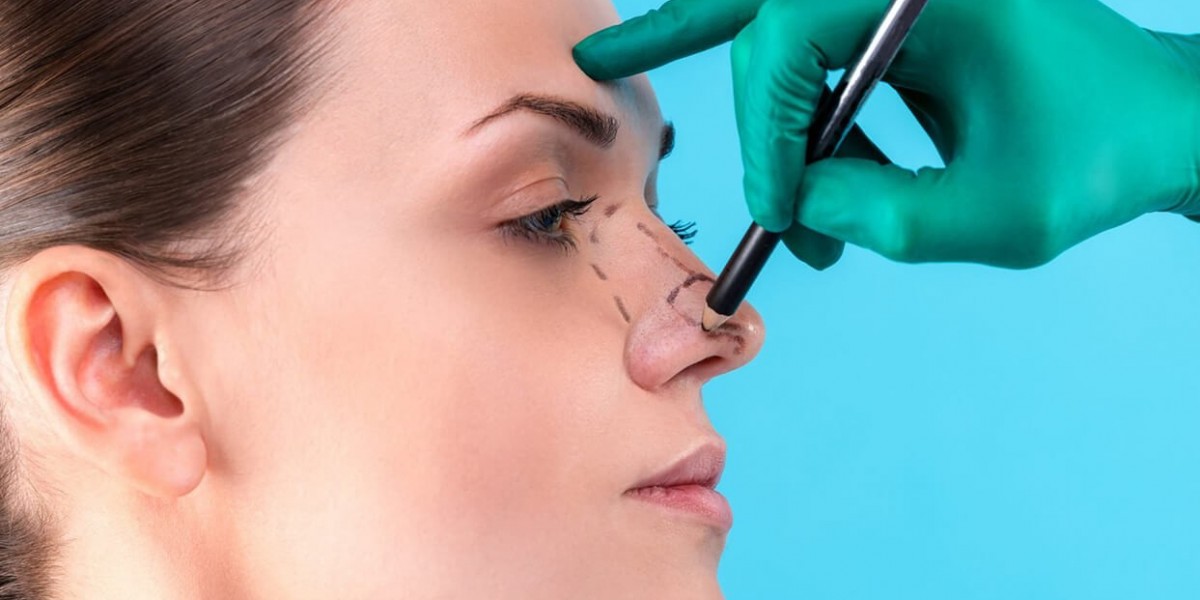

Proper care of stitches and dressings after surgery is essential for promoting healing, preventing infection, and ensuring optimal outcomes. Whether the surgery was cosmetic, such as rhinoplasty, or a medical procedure, following the surgeon’s post-operative instructions carefully can make a significant difference in recovery. Understanding the correct techniques for cleaning, protecting, and monitoring surgical sites is crucial for both comfort and safety. Exploring the benefits and recovery process of Rhinoplasty in Islamabad can help patients make informed decisions about their cosmetic or functional needs.
1. Understanding Stitches and Dressings
Stitches, also known as sutures, are used to close surgical incisions or wounds. They can be made of absorbable material, which dissolves on its own over time, or non-absorbable material, which requires removal by a healthcare professional. Dressings, on the other hand, are coverings applied to the surgical site to protect it from bacteria, absorb fluids, and reduce friction or pressure. Dressings can include gauze, adhesive bandages, or specialized post-operative splints.
Both stitches and dressings serve protective and functional purposes, and proper care ensures that the incision heals efficiently with minimal scarring or complications.
2. Keeping the Area Clean
Maintaining cleanliness is one of the most important aspects of post-surgical care. Washing hands thoroughly with soap and water before touching the surgical site is essential to reduce the risk of infection.
For most surgical wounds, gentle cleaning with mild soap and water or a saline solution is recommended. Avoid using harsh chemicals, alcohol, or hydrogen peroxide unless specifically instructed by the surgeon, as these can irritate tissues and delay healing. When cleaning, gently pat the area dry with a clean, soft towel instead of rubbing, which can disturb stitches or dressings.
3. Managing Dressings Properly
Dressings protect the surgical site from bacteria, dirt, and accidental trauma. Surgeons usually provide detailed instructions regarding how often to change the dressing and what type of materials to use.
Frequency of Change: Most dressings are changed once or twice daily or as advised by the surgeon. Changing dressings too frequently can disturb the wound, while leaving them on too long may lead to moisture buildup and infection.
Technique: Use clean hands or sterile gloves when changing dressings. Remove the old dressing slowly and carefully, and inspect the wound for signs of infection, such as redness, swelling, or discharge. Apply a fresh, sterile dressing, ensuring it covers the incision completely without putting pressure on the stitches.
Moisture Control: Avoid getting dressings excessively wet, as moisture can soften the skin and encourage bacterial growth. Cover the area with a waterproof barrier if showering, unless otherwise instructed.
4. Protecting Stitches
Stitches hold tissue together during the critical healing period, so protecting them from strain, friction, or trauma is essential. Avoid activities that put stress on the surgical site, such as heavy lifting, vigorous exercise, or stretching near the area. Clothing should be loose-fitting to prevent rubbing against stitches.
Some types of stitches, particularly absorbable ones, are designed to dissolve over time, while non-absorbable stitches need to be removed by a healthcare professional. Never attempt to remove stitches yourself, as premature removal can reopen the wound and increase the risk of infection or scarring.
5. Monitoring for Complications
Regular monitoring of the wound is necessary to detect any complications early. Signs to watch for include:
Redness, swelling, or warmth around the incision
Unusual or foul-smelling discharge
Increased pain at the site
Separation of the edges of the incision
Fever or general malaise
If any of these symptoms occur, contact the surgeon immediately. Early intervention can prevent serious infections or delayed healing.
6. Pain Management and Comfort
Mild discomfort or soreness around stitches is normal during the first few days after surgery. Over-the-counter pain relievers, such as acetaminophen, can help manage this discomfort, but avoid medications that increase bleeding risk unless approved by the surgeon. Applying cold compresses near—but not directly on—the incision can reduce swelling and soothe pain.
7. Supporting Optimal Healing
Several lifestyle measures can support wound healing:
Nutrition: Consuming a balanced diet rich in protein, vitamins C and A, and zinc supports tissue repair and immune function.
Hydration: Staying hydrated helps maintain skin elasticity and overall health, aiding recovery.
Avoiding Smoking and Alcohol: Smoking restricts blood flow to tissues, slowing healing, while excessive alcohol can interfere with immune function.
8. Following Up with Your Surgeon
Follow-up appointments are crucial to ensure that stitches and dressings are functioning properly and that the wound is healing as expected. During these visits, the surgeon may remove non-absorbable stitches, adjust dressings, or address any concerns related to scarring or infection. Adhering to scheduled follow-ups helps prevent complications and ensures the best possible surgical outcome.
Conclusion
Caring for stitches and dressings after surgery is a critical aspect of recovery. Proper hygiene, careful dressing management, protection of the incision site, and monitoring for complications all contribute to safe and effective healing. By following post-operative instructions, maintaining a healthy lifestyle, and attending follow-up appointments, patients can minimize the risk of infection, reduce scarring, and achieve optimal surgical results. Attentive care during the recovery period ensures that the benefits of surgery are preserved and that healing progresses smoothly.