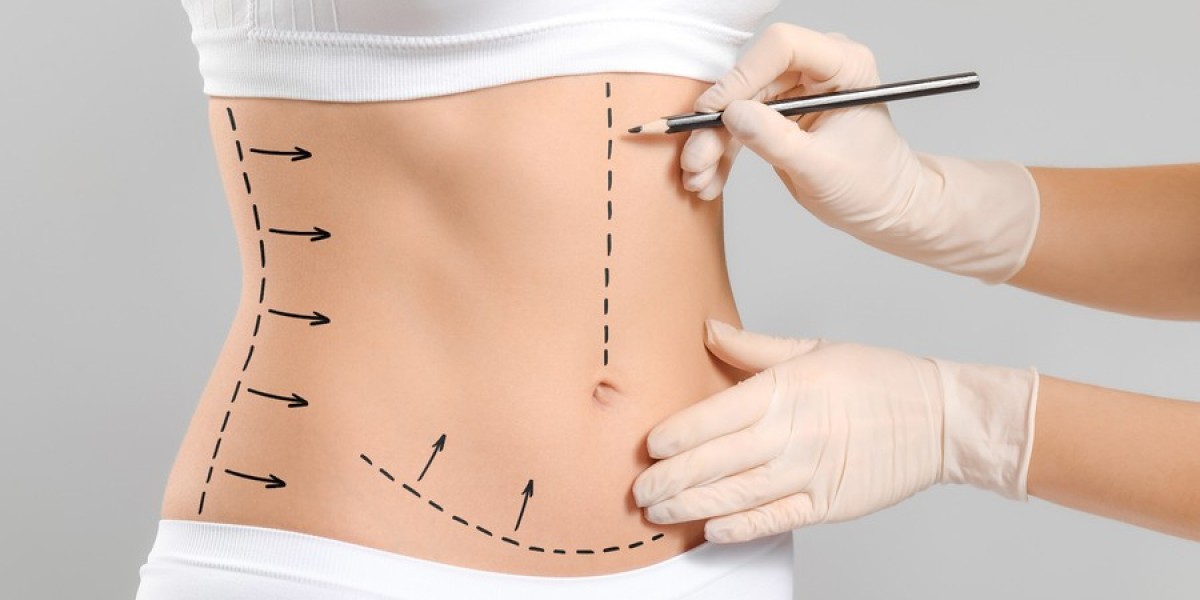

Pain management after a tummy tuck is a critical aspect of recovery that significantly influences a patient’s comfort, healing, and overall experience with the procedure. A tummy tuck, or abdominoplasty, is a major surgical intervention that involves removing excess skin and fat from the abdominal area and tightening the underlying muscles to create a flatter, firmer abdomen. Because the surgery involves extensive tissue manipulation, swelling, and muscle tightening, postoperative pain is common and must be effectively managed to promote healing and prevent complications. Understanding the strategies for pain control, what to expect, and the role of self-care is essential for anyone undergoing this procedure. Many people consider a Tummy Tuck in Islamabad to achieve a flatter and more toned abdominal appearance.
Immediately following surgery, patients are typically monitored in a recovery area where medical staff assess vital signs and overall comfort. During this period, pain is usually managed with intravenous medications or injections to ensure the patient remains comfortable as the anesthesia wears off. Once discharged home, most patients transition to oral pain medications, which are carefully prescribed by the surgeon based on the intensity of discomfort and individual health considerations. Commonly used medications include acetaminophen, nonsteroidal anti-inflammatory drugs (NSAIDs), and, in some cases, short-term prescription painkillers. These medications help control pain, reduce inflammation, and allow patients to perform necessary movements such as walking, which is essential for circulation and preventing blood clots.
In addition to medication, compression garments play a key role in pain management after a tummy tuck. These garments provide gentle, consistent pressure across the abdominal area, reducing swelling and supporting healing tissues. By stabilizing the surgical site, compression garments help minimize discomfort during daily movements and contribute to faster recovery. Patients are usually instructed to wear these garments for several weeks, depending on the surgeon’s recommendations and the extent of the procedure.
Positioning and movement are also important for managing pain in the days following surgery. Patients are often advised to keep the upper body slightly elevated and bend the knees while resting or sleeping, as this position reduces tension on the abdominal muscles and decreases strain on the incision site. Light walking is encouraged as soon as it is safe, as gentle movement improves circulation, reduces the risk of blood clots, and helps manage stiffness and soreness. However, strenuous activities, heavy lifting, and twisting motions are restricted for several weeks to avoid disrupting healing tissues and increasing pain.
Cold therapy can be another effective strategy for controlling discomfort and swelling. Applying ice packs or cold compresses to the abdominal area—carefully, and without direct contact on the skin—helps constrict blood vessels, reduce inflammation, and alleviate pain. Many patients find alternating periods of cold therapy with rest and gentle movement to be particularly helpful during the first few days after surgery.
Emotional and psychological support also plays a role in pain management. Surgery and recovery can be stressful, and anxiety or tension can amplify the perception of pain. Engaging in relaxation techniques such as deep breathing, meditation, or listening to calming music can help patients manage discomfort more effectively. Having support from family or friends during the recovery period can also reduce stress and improve the overall experience.
Communication with the surgeon is critical for effective pain management. Patients should report the severity, location, and type of pain they experience, as well as any unusual symptoms such as redness, increased swelling, or signs of infection. The surgical team may adjust pain medications, recommend alternative therapies, or provide guidance on safe activity levels to ensure comfort while promoting proper healing. It is important not to exceed prescribed dosages of pain medications and to avoid self-medicating with over-the-counter drugs without consulting the surgeon, as this can lead to complications or interfere with recovery.
Long-term pain management involves gradually reducing dependence on medications as healing progresses. Most patients find that discomfort decreases significantly within the first two to three weeks, although mild soreness or tightness may persist for several months. Regular light exercise, stretching, and adherence to a healthy lifestyle contribute to muscle recovery and reduce residual pain. Patients are also advised to maintain a balanced diet, stay hydrated, and avoid activities that strain the abdominal muscles during the healing phase.
In conclusion, pain management after a tummy tuck is multifaceted, involving medications, compression garments, proper positioning, cold therapy, light activity, and emotional support. Effective pain control not only enhances comfort but also promotes healing, reduces the risk of complications, and supports a smoother recovery. By following the surgeon’s instructions, communicating openly about pain levels, and adopting strategies to support physical and emotional well-being, patients can navigate the postoperative period with greater ease and achieve optimal results.