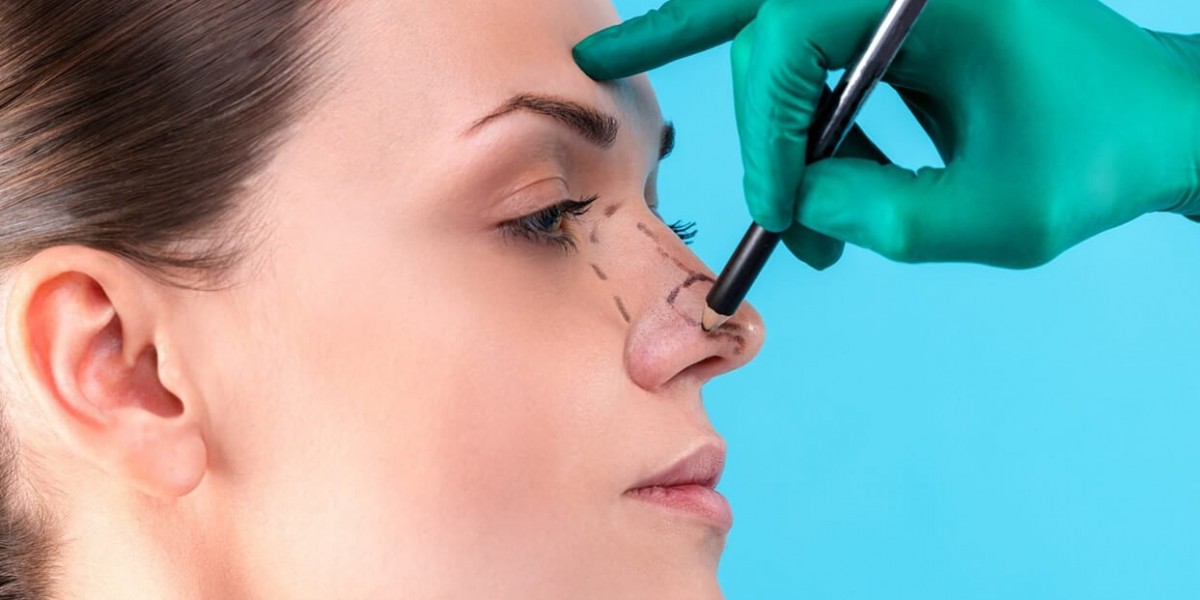

Age is an important consideration for rhinoplasty patients, as it can influence surgical planning, healing, aesthetic goals, and overall outcomes. In Islamabad, patients seeking rhinoplasty come from a wide range of age groups, each with unique needs and considerations. Understanding the role of age in rhinoplasty is essential for achieving safe, effective, and satisfying results. Rhinoplasty in Islamabad is a popular procedure for those looking to enhance the shape and symmetry of their nose while addressing functional concerns.
Adolescent Patients
Rhinoplasty in adolescents is approached with careful consideration of both physical and emotional maturity. Typically, surgeons recommend that nasal growth is complete before performing elective rhinoplasty. For girls, this is usually around ages 15 to 16, and for boys, closer to 16 to 17, although these ages can vary individually. Performing rhinoplasty before the nose has fully developed may risk altering growth patterns and lead to complications that require revision surgery later.
In addition to physical maturity, emotional readiness is a crucial factor. Adolescents should have realistic expectations and understand the limitations of the procedure. Rhinoplasty at this age may address congenital deformities, trauma-related injuries, or significant aesthetic concerns that impact self-esteem. Surgeons in Islamabad emphasize counseling both the patient and their family to ensure that the decision is appropriate and informed.
Young Adults (20s to Early 30s)
Young adulthood is the most common age group for rhinoplasty. By this stage, the nasal structure is fully developed, and patients are often seeking aesthetic enhancement to improve facial harmony or correct minor imperfections. Functional concerns such as breathing difficulties may also be addressed during this period.
This age group generally experiences faster healing and fewer complications, making it an ideal time for surgery. Skin elasticity is typically high, allowing for smoother contours and more predictable outcomes. Young adults in Islamabad are often highly motivated and invested in achieving aesthetic goals, so pre-surgery consultations focusing on realistic expectations and individualized surgical planning are particularly important.
Middle-Aged Patients (30s to 50s)
Middle-aged patients may seek rhinoplasty for both aesthetic and functional reasons. Changes in skin thickness, elasticity, and nasal cartilage can influence surgical techniques and outcomes. For example, thicker skin in this age group may require additional attention to achieve definition in the nasal tip. Additionally, patients may have experienced trauma, previous nasal surgeries, or age-related structural changes that must be considered in planning the procedure.
Functional improvements often become more significant for this age group. Nasal obstruction, chronic sinus issues, or difficulties caused by previous injuries can be addressed concurrently with aesthetic refinement. Recovery may take slightly longer compared to younger patients, and surgeons may adjust techniques to minimize complications and achieve balanced results.
Older Adults (50 and Above)
Rhinoplasty in older adults is less common but increasingly sought after for both aesthetic rejuvenation and functional correction. Aging can lead to changes in nasal cartilage, loss of skin elasticity, and alterations in facial proportions. These factors influence surgical planning and may require more advanced techniques to achieve natural-looking results.
Older patients may also have pre-existing medical conditions, such as cardiovascular disease, diabetes, or respiratory issues, that necessitate careful preoperative evaluation. Surgeons in Islamabad emphasize a thorough assessment of overall health, anesthetic risks, and the ability to heal effectively before recommending surgery. Functional rhinoplasty may be a primary motivator for older patients, addressing breathing difficulties or correcting previous trauma.
Timing and Recovery Considerations Across Ages
Recovery timelines can vary with age. Younger patients typically experience faster healing and reduced swelling, while older patients may have slower tissue recovery and a higher risk of bruising. Regardless of age, post-operative care, adherence to activity restrictions, and follow-up appointments are critical to ensure optimal outcomes.
For all age groups, mental preparation and realistic expectation setting are essential. Patients must understand that swelling, bruising, and gradual refinement of the nasal shape are part of the recovery process. While younger patients may focus more on aesthetic goals, older patients may prioritize functional improvements or subtle enhancements that restore facial balance.
Psychological Readiness and Maturity
Age considerations extend beyond physical factors to psychological readiness. Adolescents and young adults may have heightened sensitivity about appearance, while older adults may seek rhinoplasty to rejuvenate their appearance or improve nasal function. In all cases, mental preparation, informed consent, and a clear understanding of potential outcomes are crucial for satisfaction with the procedure.
Conclusion
Age plays a significant role in rhinoplasty planning and outcomes in Islamabad. Adolescents require careful assessment of growth and emotional readiness, young adults benefit from optimal healing and skin elasticity, middle-aged patients may need adjustments for structural changes, and older adults require thorough medical evaluation and tailored surgical techniques. By considering age-specific factors, patients and surgeons can collaborate to achieve safe, effective, and aesthetically pleasing results. Awareness of both physical and psychological aspects of age ensures that rhinoplasty meets individual needs while promoting long-term satisfaction and overall well-being.