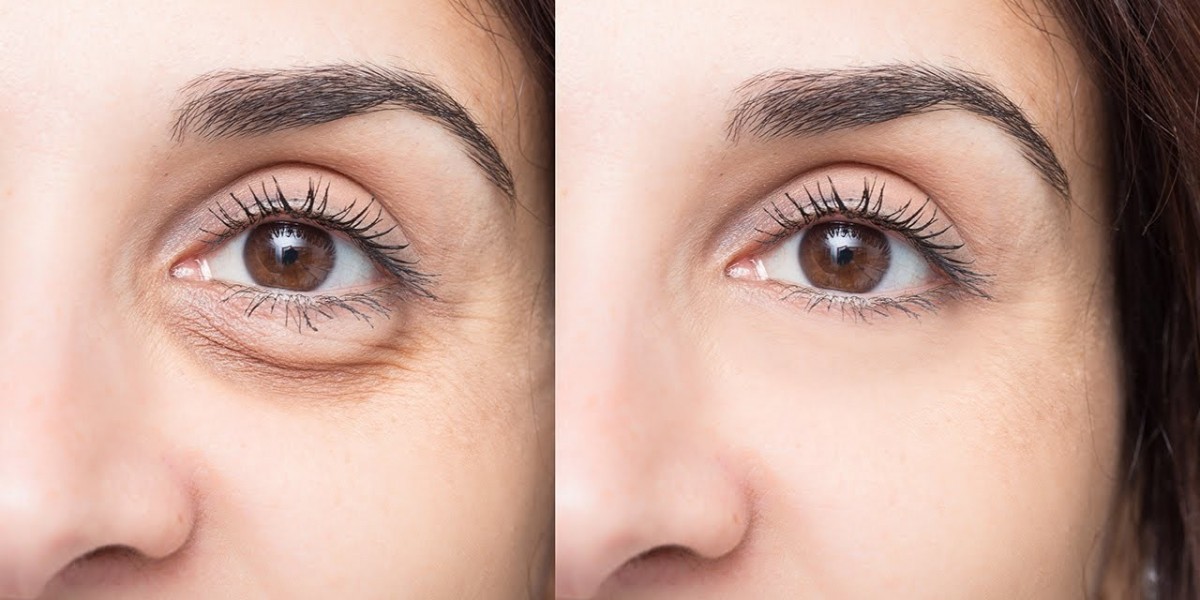

Dark circles under the eyes are a common concern that affects people across all age groups, but they tend to become more prominent with age. While young adults may experience dark circles primarily due to lifestyle factors like sleep deprivation or stress, aging brings additional physiological changes that exacerbate their appearance. Understanding the connection between age and dark circles, as well as implementing effective prevention strategies, can help maintain a more youthful, bright under-eye area over time. Looking for effective dark circles treatment in Islamabad ? Discover the best solutions to refresh your under-eye area and restore a youthful appearance.
How Age Contributes to Dark Circles
The appearance of dark circles is influenced by multiple factors, many of which become more pronounced as we age. These factors include thinning skin, loss of collagen and fat, increased pigmentation, and changes in blood vessels.
Thinning Skin: As we age, the skin naturally loses elasticity and becomes thinner. The under-eye area has the thinnest skin on the face, measuring just 0.5 mm in thickness. When this skin thins further, it allows underlying blood vessels to show through, resulting in bluish or purplish dark circles.
Loss of Collagen and Fat: Collagen, a protein responsible for skin firmness and structure, decreases with age. Additionally, fat pads in the face, which help maintain volume, gradually diminish and shift downward. This can create hollowed areas under the eyes, casting shadows that resemble dark circles even in the absence of pigmentation or vascular issues.
Hyperpigmentation: Aging can trigger an increase in melanin production in some individuals, contributing to darker pigmentation under the eyes. Sun exposure over the years also intensifies this process, causing long-term discoloration.
Changes in Blood Vessels: With age, blood vessels may become more visible due to thinning skin and decreased collagen support. These vascular changes can create a bluish tint under the eyes.
Cumulative Environmental Damage: Over time, exposure to UV rays, pollution, and lifestyle stressors like smoking and poor diet can accelerate the appearance of dark circles. Free radicals damage skin cells, reduce collagen production, and worsen pigmentation.
Prevention Tips for Age-Related Dark Circles
While aging is inevitable, there are several strategies to prevent or minimize the appearance of dark circles. These approaches focus on protecting the skin, promoting collagen production, improving circulation, and maintaining overall skin health.
Prioritize Sun Protection
Sun exposure is one of the leading contributors to pigmentation and collagen breakdown. Protecting the under-eye area from UV damage can prevent further darkening and premature aging. Use a broad-spectrum sunscreen with at least SPF 30, wear sunglasses to shield the delicate skin, and consider hats or visors when spending extended time outdoors.Maintain a Healthy Skincare Routine
A consistent skincare routine can slow the effects of aging on the under-eye area. Incorporate products with ingredients known to target aging and pigmentation:Vitamin C: Brightens skin and reduces melanin production, helping to lighten dark circles over time.
Retinoids: Promote collagen synthesis and skin renewal, thickening the under-eye skin and reducing vascular visibility.
Hyaluronic Acid: Hydrates and plumps the skin, minimizing shadowing from fine lines and hollows.
Peptides: Stimulate collagen and elastin production, supporting skin firmness and elasticity.
Stay Hydrated
Dehydration can make skin look dull and thin, emphasizing dark circles. Drinking sufficient water daily and using hydrating skincare products can help maintain skin volume and radiance.Get Quality Sleep
Sleep is crucial for skin regeneration and blood circulation. Poor sleep contributes to puffiness, fluid retention, and more prominent dark circles. Aim for 7-9 hours of uninterrupted sleep each night, and consider sleeping slightly elevated to prevent fluid accumulation under the eyes.Eat a Nutrient-Rich Diet
A balanced diet rich in vitamins, minerals, and antioxidants supports skin health and resilience. Nutrients such as Vitamin C, Vitamin K, and iron can improve pigmentation, vascular health, and skin repair. Avoid excessive salt intake, which can contribute to puffiness and dark circles.Protect Against Environmental Stressors
Pollution, smoking, and free radical exposure accelerate skin aging. Using antioxidants in skincare, avoiding smoking, and maintaining a clean environment can reduce oxidative stress and protect the under-eye area.Use Gentle Eye Care Practices
The skin around the eyes is delicate, so avoid rubbing or tugging, which can exacerbate dark circles and promote wrinkles. When applying skincare, gently pat products in with your ring finger rather than rubbing.Consider Professional Treatments
For age-related dark circles that do not respond to topical care, non-surgical treatments can help. Options include:Dermal Fillers: Restore volume to under-eye hollows, reducing shadows and dark circles caused by structural changes.
Laser Therapy: Targets pigmentation and stimulates collagen production, improving skin thickness and tone.
Microneedling: Promotes collagen and elastin production, strengthening the under-eye skin and improving texture.
Chemical Peels: Reduce pigmentation and improve skin renewal in the delicate under-eye area.
Long-Term Strategies
Prevention and maintenance are key to minimizing age-related dark circles. Consistency in skincare, sun protection, healthy lifestyle habits, and professional care when necessary can help slow the progression of dark circles. Early intervention is particularly effective, as thinner skin and pigmentation changes are easier to manage before they become pronounced.
Conclusion
Aging naturally affects the skin under the eyes, making dark circles more noticeable over time. Thinning skin, loss of collagen, pigmentation, and vascular changes all contribute to this common concern. However, by implementing preventive strategies such as sun protection, consistent skincare, hydration, proper sleep, and a nutrient-rich diet, it is possible to reduce the severity and visibility of dark circles. For persistent cases, non-surgical professional treatments can provide additional support. Understanding the connection between age and dark circles empowers individuals to take proactive steps, ensuring a healthier, brighter, and more youthful under-eye area over the years.