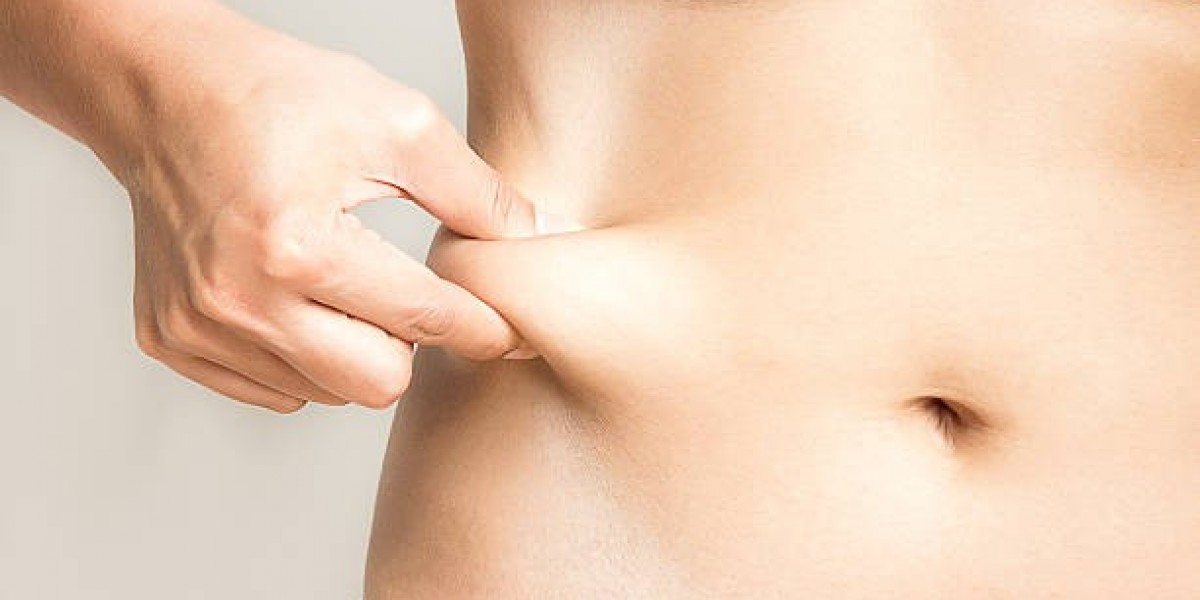

Ramadan is a sacred month for Muslims, marked by fasting from dawn to sunset. While fasting is primarily a spiritual practice, it also impacts the body’s metabolism, eating patterns, and energy levels. For many individuals, Ramadan presents both challenges and opportunities for fat reduction. Adjusting diet, exercise, and lifestyle habits during this month can help maintain or even enhance fat loss without compromising health or energy. Understanding the unique considerations of fasting is essential for achieving sustainable results. Many people are turning to advanced solutions for Fat Reduction in Islamabad, seeking effective ways to sculpt their bodies and improve overall health.
Challenges of Fat Reduction During Ramadan
Fat reduction during Ramadan can be tricky due to changes in eating habits and daily routines:
Irregular Meal Timing: With meals restricted to pre-dawn (Suhoor) and post-sunset (Iftar), the body’s energy intake is concentrated in a limited time frame, which may lead to overeating or consuming calorie-dense foods.
High-Calorie Traditional Foods: Popular Iftar dishes are often fried, sweet, or rich in carbohydrates, which can counteract fat reduction efforts.
Dehydration: Limited water intake during fasting hours may slow metabolism, reduce energy levels, and make fat reduction more difficult.
Reduced Physical Activity: Fatigue from fasting can reduce motivation for exercise, potentially slowing fat loss progress.
Despite these challenges, with careful planning, fat reduction during Ramadan is achievable.
Nutrition Tips for Fat Reduction
Nutrition plays a critical role in losing fat while fasting. Here are strategies to maintain a healthy caloric balance:
1. Prioritize a Balanced Suhoor
The pre-dawn meal sets the tone for energy levels throughout the day. Include foods that provide sustained energy and prevent overeating later:
Complex carbohydrates: Whole grains, oats, and brown rice release energy slowly.
Protein sources: Eggs, yogurt, and lean meats help maintain muscle mass and satiety.
Healthy fats: Nuts, seeds, and olive oil support metabolism and hormone balance.
Hydrating foods: Fruits and vegetables like cucumbers and watermelon help prevent dehydration.
Avoid sugary pastries or highly processed foods that cause rapid spikes and crashes in blood sugar.
2. Smart Choices for Iftar
Breaking the fast is an opportunity to nourish the body without overloading on calories:
Start with water and dates, which provide quick energy and hydration.
Include lean proteins such as chicken, fish, or legumes to support muscle preservation.
Incorporate vegetables for fiber, which aids digestion and keeps you full longer.
Limit fried and sugary foods to occasional treats rather than regular staples.
Eating slowly and mindfully during Iftar helps prevent overeating, which can sabotage fat reduction.
3. Stay Hydrated
Proper hydration is crucial for metabolism and fat burning. Drink water consistently between Iftar and Suhoor, aiming for 8–10 glasses if possible. Herbal teas or infused water can add variety while keeping calories low.
Exercise Recommendations
Maintaining physical activity during Ramadan supports fat reduction, preserves muscle mass, and boosts overall energy. However, exercise timing and intensity need to be adjusted to fasting conditions.
1. Optimal Timing
After Iftar: Performing moderate exercises 1–2 hours after Iftar is ideal, as the body is fueled and hydrated.
Before Suhoor: Light exercises like stretching or yoga can be performed before the pre-dawn meal.
Avoid mid-day workouts: Exercising in the heat and without water can increase fatigue and risk of dehydration.
2. Exercise Type
Cardiovascular Exercise: Light to moderate walking, cycling, or swimming can help burn calories without overstraining the body.
Strength Training: Preserves lean muscle mass, which is essential for a healthy metabolism. Focus on shorter sessions with moderate weights.
Flexibility and Core Work: Yoga, Pilates, or stretching improves posture and supports overall fitness while being gentle on energy reserves.
Consistency matters more than intensity; even 20–30 minutes of daily exercise can contribute significantly to fat reduction over the month.
Lifestyle Strategies for Success
Beyond diet and exercise, lifestyle habits influence fat reduction during Ramadan:
Sleep: Fasting and late-night prayers may disrupt sleep. Prioritize rest by taking short naps or adjusting sleep schedules. Poor sleep can increase cravings and fat storage.
Mindful Eating: Focus on portion control, slow eating, and listening to hunger cues. Avoid eating out of habit or social pressure.
Stress Management: Ramadan is a spiritual month, but emotional stress can elevate cortisol, which promotes fat storage. Engage in relaxation, meditation, or spiritual practices to reduce stress.
Common Mistakes to Avoid
Skipping Suhoor: Leads to overeating at Iftar and can slow metabolism.
Overeating at Iftar: Consuming large portions immediately after fasting often results in fat gain instead of loss.
Neglecting Hydration: Dehydration affects metabolism, energy, and fat-burning efficiency.
Overdoing Intense Workouts: High-intensity workouts while fasting can cause fatigue and injury.
Conclusion
Fat reduction during Ramadan is possible with proper planning and awareness. By prioritizing balanced nutrition at Suhoor and Iftar, staying hydrated, exercising at optimal times, and maintaining healthy lifestyle habits, individuals can preserve lean muscle, reduce fat, and improve overall well-being. Patience, consistency, and mindful eating are key, as gradual progress during the holy month sets the stage for long-term, sustainable fat reduction. With the right approach, Ramadan can become not only a spiritual journey but also an opportunity to enhance physical health and fitness.