
Jaw surgery, or orthognathic surgery, is a complex procedure designed to correct jaw misalignment, improve bite function, and enhance facial aesthetics. While the physical transformation is the primary focus, patients often have concerns about scars and the healing process following surgery. For residents of Islamabad considering jaw surgery, understanding how scars form, how the body heals, and what steps can promote optimal recovery is essential for managing expectations and achieving the best possible results. Jaw Surgery in Islamabad can significantly improve both facial symmetry and overall oral health.
Types of Incisions and Scars
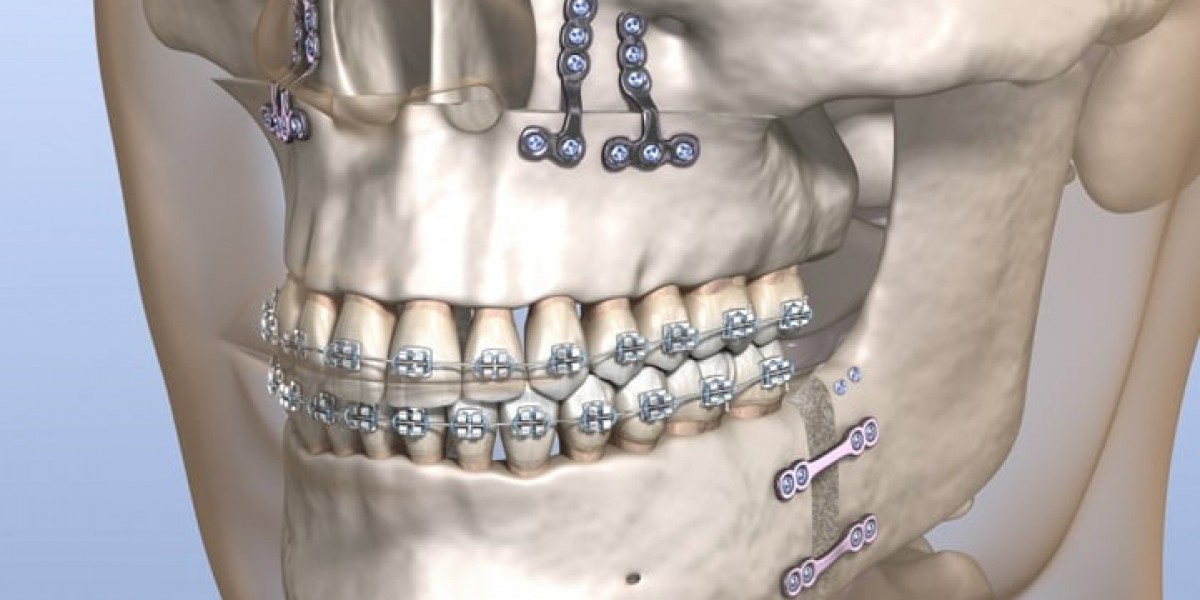
Jaw surgery involves making precise incisions to access the jawbones. These incisions can be internal, within the mouth, or external, along the jawline, depending on the type and complexity of the procedure. Internal incisions, which are commonly used for Le Fort osteotomy (upper jaw surgery) and bilateral sagittal split osteotomy (lower jaw surgery), typically heal without visible scarring, as they are located inside the oral cavity. These internal incisions generally result in minimal cosmetic concern and rarely leave noticeable marks.
External incisions, though less common, may be necessary for certain complex cases or when additional procedures such as genioplasty (chin surgery) or facial contouring are performed simultaneously. External incisions can leave visible scars, although modern surgical techniques aim to minimize their appearance by following natural skin creases and using fine sutures.
The Healing Process
Healing after jaw surgery is a gradual process that involves multiple stages. Initially, the body responds with inflammation, which is characterized by swelling, redness, and tenderness at the surgical site. This stage is crucial, as it signals the body’s immune system to repair damaged tissues and begin the process of bone and soft tissue healing. Swelling is usually most pronounced in the first few days post-surgery and gradually decreases over the following weeks.
The next stage of healing involves tissue regeneration and bone stabilization. In cases where the jawbones have been repositioned, the body forms new bone tissue to secure the jaw segments in their corrected positions. This stage can last several weeks to months, depending on the complexity of the surgery and individual healing factors. Soft tissues, including gums and skin, also continue to heal during this time, gradually reducing the visibility of any scarring.
Factors Influencing Scar Formation
Several factors influence how scars form and how noticeable they may be. Genetic predisposition plays a significant role; some individuals naturally form thicker or more visible scars, while others heal with minimal markings. Skin type and tone can also affect scar appearance, with darker skin sometimes being more prone to pigmentation changes at incision sites.
The location and type of incision are equally important. Internal incisions generally produce little to no visible scarring, while external incisions may result in thin, linear marks. The skill and technique of the surgeon are also critical, as precise incision placement, gentle tissue handling, and proper suturing can significantly reduce scar formation.
Minimizing and Managing Scars
Patients in Islamabad can take proactive steps to minimize scarring after jaw surgery. Proper post-operative care, including keeping the surgical site clean, following dietary restrictions, and avoiding activities that stress the jaw, supports optimal healing. Surgeons often provide instructions for gentle cleaning of oral incisions and recommend avoiding smoking and alcohol, as these habits can impair tissue repair and increase the risk of visible scarring.
For external scars, additional measures can be taken. Silicone sheets or gels are commonly used to reduce scar thickness and improve appearance. Sun protection is also essential, as UV exposure can darken scars and make them more noticeable. In some cases, laser treatments or other dermatological interventions may be recommended once the incision has fully healed to further minimize visibility.
Timeline for Healing and Scar Maturation
Scars evolve over time. In the initial weeks, they may appear red, raised, or tender, but gradual remodeling occurs over months. Most post-surgical scars continue to improve in appearance for up to a year or more. Internal oral incisions typically heal within a few weeks with minimal long-term visibility, while external scars slowly fade and flatten over several months. Patience and adherence to care guidelines are essential for optimal outcomes.
Psychological Considerations
Concerns about scarring can affect patient confidence and emotional well-being. Understanding that internal incisions are usually invisible and that external scars can be minimized with proper care can alleviate anxiety. Surgeons in Islamabad often counsel patients on realistic expectations and provide guidance on scar management, helping patients feel informed and prepared throughout the healing process.
Conclusion
Jaw surgery in Islamabad is not only a functional and aesthetic procedure but also a process that requires careful attention to healing and scar management. Internal incisions typically leave minimal visible marks, while external incisions may require additional care to reduce scarring. Factors such as genetics, skin type, surgical technique, and post-operative care influence scar formation. By following surgeon instructions, avoiding habits that impair healing, and utilizing scar-reducing strategies, patients can achieve smooth recovery, minimize visible marks, and enjoy the full benefits of jaw surgery both functionally and aesthetically.