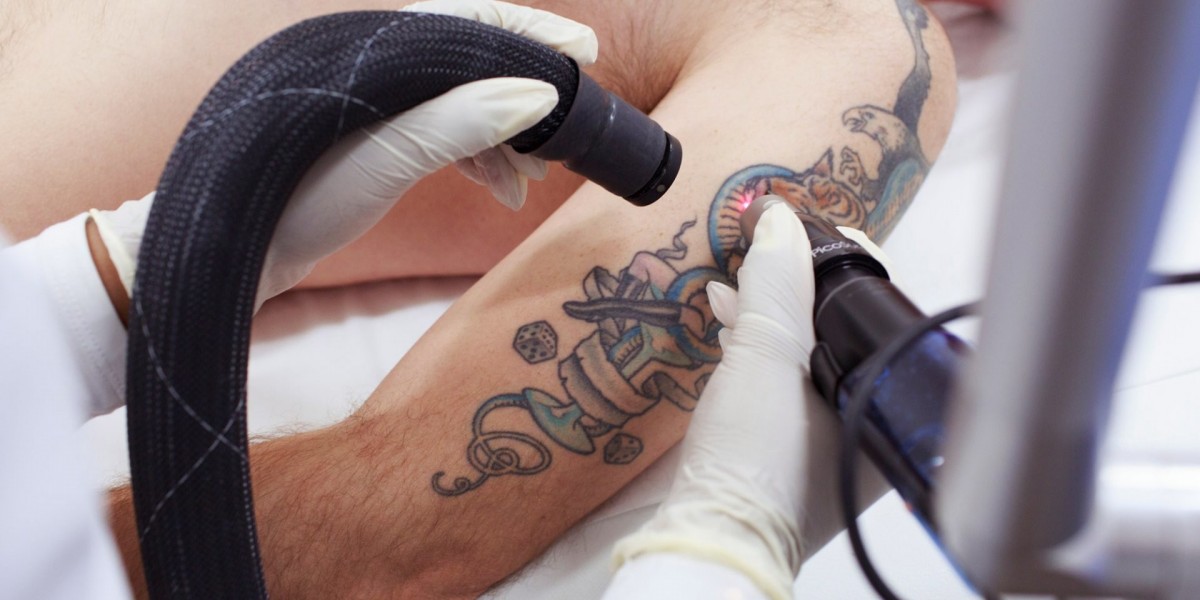

If you’re considering Tattoo Removal in Islamabad, one of the most common questions is whether the process will leave scars or marks on your skin. Tattoo removal has come a long way with advanced laser technologies, but understanding the potential effects on your skin is essential before booking a session. This guide will walk you through everything you need to know about scar risks, preventive measures, and the best practices to ensure smooth results.
Understanding How Tattoo Removal Works
Laser tattoo removal works by breaking down tattoo ink particles using high-intensity light beams. The body’s immune system gradually removes these ink particles over multiple sessions. The process is non-invasive, but it does affect the skin layers, which is why many patients worry about scarring.
Key Points:
Laser targets ink, not healthy skin.
Multiple sessions are usually required depending on tattoo size, color, and depth.
Professional laser treatments minimize risks compared to at-home or unlicensed methods.
Factors That Influence Scarring Risk
Several factors can affect whether tattoo removal will leave scars or marks. Understanding these factors can help manage expectations:
| Factor | How It Affects Scarring Risk |
|---|---|
| Skin Type | Darker skin tones may be more prone to pigmentation changes. |
| Tattoo Age | Older tattoos often respond better, reducing aggressive treatment. |
| Ink Color | Some colors, like white and yellow, are harder to remove and may require more sessions. |
| Technique Used | Advanced Q-switched or Pico lasers reduce the likelihood of scarring. |
| Aftercare Compliance | Proper post-treatment care drastically lowers risks of marks or scars. |
Can Tattoo Removal Leave Scars?
While laser tattoo removal is designed to minimize skin damage, there is still a small possibility of scarring, especially if:
The skin is overtreated in a single session.
The patient picks or scratches the treated area.
Pre-existing skin conditions like eczema or keloid tendencies are present.
It’s worth noting that scarring is uncommon when the procedure is performed by trained professionals and proper aftercare is followed.
Preventing Scars and Marks
Here are some tips to prevent scarring and achieve optimal results during your tattoo removal journey:
Choose a Licensed Clinic: Always opt for a certified clinic specializing in Tattoo Removal in Islamabad.
Follow Aftercare Instructions: Keep the area clean, avoid sun exposure, and refrain from scratching.
Avoid Aggressive Treatments: Allow sufficient time between sessions to let your skin heal properly.
Stay Hydrated and Maintain Skin Health: Healthy skin recovers faster and is less prone to scarring.
Discuss Medical History: Inform your dermatologist about any conditions that might affect healing.
What About Skin Discoloration?
Instead of scars, some patients experience temporary skin discoloration:
Hypopigmentation: Light patches where the skin loses color.
Hyperpigmentation: Darker patches due to skin reaction.
These effects are usually temporary and improve over a few months with proper care. Rarely, some individuals may experience longer-lasting changes, especially with aggressive or repeated treatments.
Timeline for Healing and Scar Formation
Understanding the healing process helps you recognize what is normal and what isn’t.
| Stage | Description |
|---|---|
| Immediately After Session | Skin may appear red, swollen, or slightly blistered. |
| First Week | Blisters or crusts may form; avoid picking to prevent scarring. |
| 2–4 Weeks | Healing continues; skin may look lighter or darker temporarily. |
| After Multiple Sessions | Ink gradually fades; most marks heal completely if proper care is followed. |
FAQs About Tattoo Removal and Scarring
Q1: Will older tattoos leave more scars than newer ones?
Older tattoos often respond better to laser treatment, potentially reducing scarring risks.
Q2: Can all colors of ink be removed safely?
Some colors like red, yellow, and white are harder to remove and may need extra sessions, but modern lasers can handle most colors safely.
Q3: How do I know if I’m prone to scarring?
Individuals with a history of keloids or sensitive skin should discuss risks with a dermatologist before treatment.
Q4: Can home remedies remove tattoos without scars?
Home remedies are ineffective and often increase scarring risk. Professional laser removal is the safest method.
Q5: Is laser tattoo removal painful?
Pain varies by skin sensitivity and tattoo location. Clinics usually provide numbing options to make the process comfortable.
Q6: How long after a session can I expect my skin to look normal?
Mild redness or swelling typically subsides in a few days, while complete fading and skin recovery may take weeks to months.
Q7: Does the size of the tattoo affect scarring risk?
Larger tattoos require more sessions and careful treatment, slightly increasing the chance of marks if aftercare is ignored.
Q8: Can sun exposure affect healing?
Yes, direct sunlight can increase pigmentation changes and slow healing, so sun protection is essential.
Conclusion
Laser tattoo removal is a safe and effective method to erase unwanted tattoos without leaving permanent scars, especially when performed by professionals. By choosing an experienced clinic and following recommended aftercare, the risk of scars or marks is significantly reduced. For anyone seeking expert Tattoo Removal in Islamabad, trusting a certified clinic ensures both safety and optimal results.
For the best care, precision, and lasting results, you can rely on the SKN Cosmetic Clinic, which specializes in advanced laser treatments and provides expert guidance throughout your tattoo removal journey.