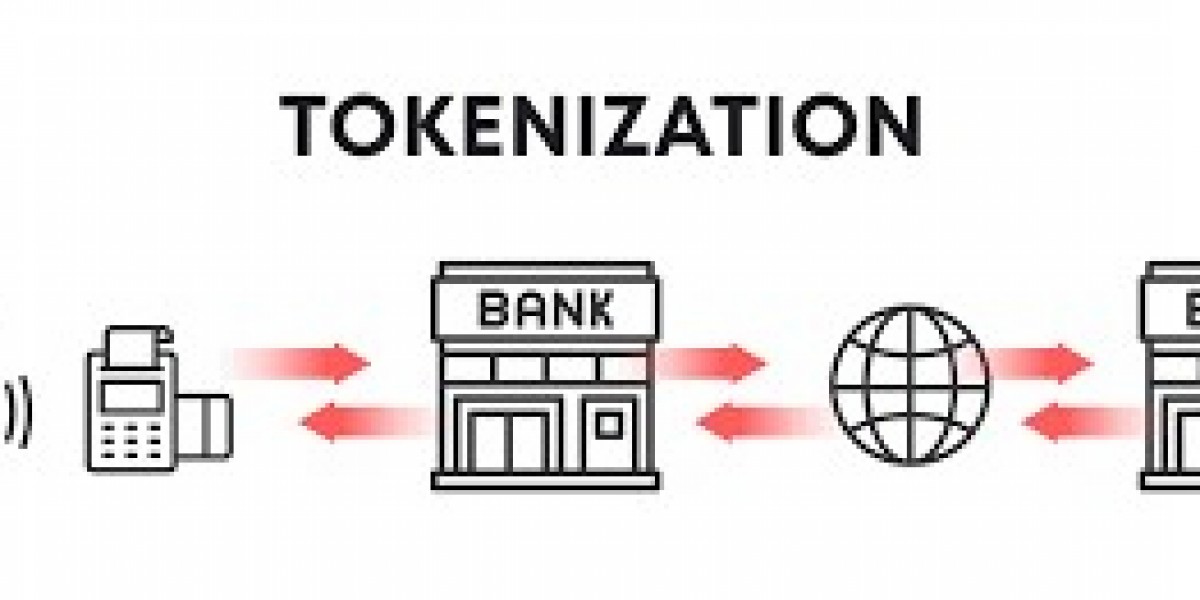

For the hundreds of millions of digital consumers in India, the nationwide shift to a token-based payment system, a core part of the Tokenization Market, has had a profound, albeit often invisible, impact on their e-commerce experience. The primary goal of the transition was to enhance security, but a key challenge and focus for the industry has been to implement this new system without introducing friction or degrading the convenient checkout experience that consumers had become accustomed to. The initial implementation of the RBI mandate did cause some short-term disruption, as merchants had to prompt users to re-save their cards to create a token, a process sometimes referred to as "re-tokenization." However, the industry has worked rapidly to smooth out these wrinkles. The end result is a consumer experience that aims to be both more secure and just as seamless as the previous "card-on-file" model. For the consumer, the process should feel largely the same: they save their card once on a merchant's site, and for all subsequent purchases, they can check out with a single click, without having to re-enter their card details. The magic happens behind the scenes, where the merchant is now storing a secure token instead of the actual card number.
Key Players
The key players responsible for ensuring a seamless consumer experience in this new tokenized world are a collaborative group. The first are the major e-commerce merchants and subscription businesses. They are the key players because they own the user interface and the checkout flow. They have had to invest significantly in their UX design to make the one-time process of saving a card and creating a token as simple and intuitive as possible. The second group of key players are the payment gateways. They provide the "token-on-file" technology that allows a customer's token to be securely stored and then used across multiple different merchants that use the same gateway, creating a more portable and convenient experience. The third set of players are the card networks and issuing banks. They are responsible for the one-time password (OTP) and other "3D Secure" authentication steps that are often part of the initial card-saving and token-creation process. Ensuring that this authentication step is fast and reliable is crucial for a good consumer experience. A failure or a delay in receiving the OTP is a major point of friction that can lead to a customer abandoning the transaction. The collaboration between these players is essential for a smooth end-to-end journey.
Future in "Tokenization Market"
The future of the consumer experience in India's tokenized world will be about creating even greater convenience and control. A major future trend will be the rise of "network-level" token-on-file services. Instead of a consumer having to save their card and create a token on each individual merchant's website, they might be able to save their card once with their card network (e.g., Visa or RuPay), and then use that single, network-level token across any participating merchant. This would create a truly "universal" saved card experience, similar to what is offered by digital wallets in North America like Apple Pay or Google Pay. Another major future trend will be giving consumers greater visibility and control over their tokens. A future banking app might include a "token manager" dashboard, where a user can see all the merchants where they have saved their card (i.e., where a token has been issued) and have the ability to easily pause or delete a token for a specific merchant, giving them a new level of control over their digital payment footprint. This focus on consumer control is a key theme in the evolution of digital payments globally, particularly in privacy-conscious regions like Europe.
Key Points "Tokenization Market"
Several key points define the consumer experience in India's tokenized market. The primary goal has been to massively enhance security while preserving the convenient, one-click checkout experience that consumers expect. The key players in delivering this are the merchants who design the UX, the payment gateways who provide the token-on-file technology, and the banks and networks who manage the authentication. The future lies in creating a more universal, network-level "token-on-file" experience and in giving consumers greater direct control over where and how their payment tokens are used. Ultimately, for the consumer, the best tokenization system is one they don't even have to think about—it's just a secure and seamless way to pay. The Tokenization Market is projected to grow to USD 48.79 Billion by 2035, exhibiting a CAGR of 19.62% during the forecast period 2025-2035.
Top Trending Reports -
US Web3 In E Commerce Retail Industry