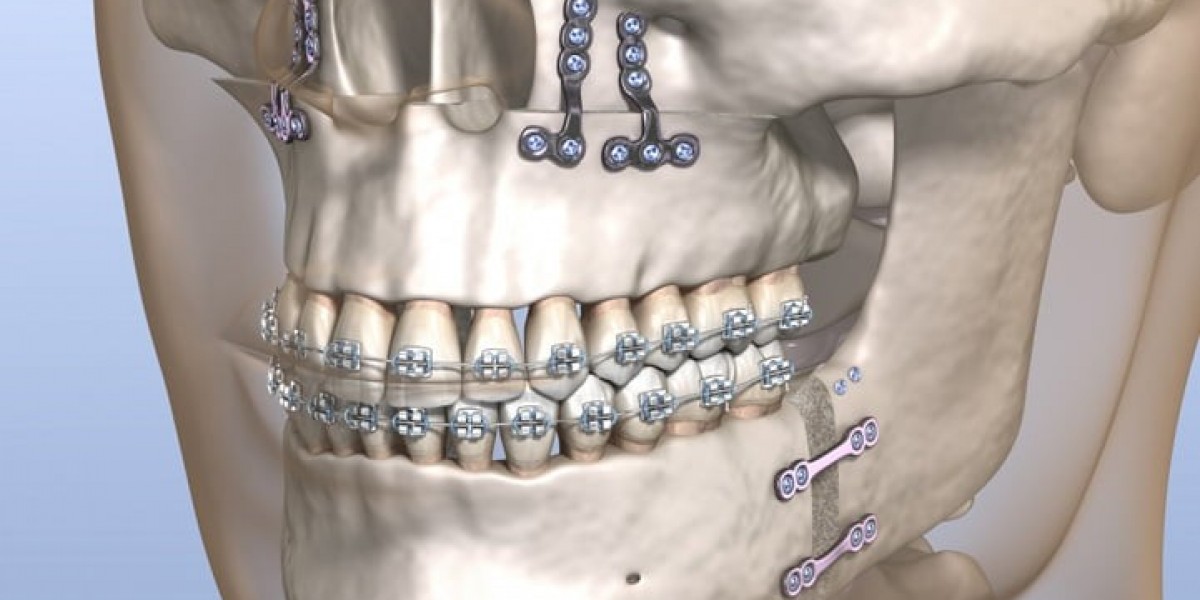

Physical therapy is an essential component of the recovery process following jaw surgery in Islamabad, also known as orthognathic surgery. While the surgery itself corrects structural jaw irregularities, improves bite alignment, and enhances facial aesthetics, physical therapy ensures that patients regain full jaw function, reduce stiffness, and achieve optimal long-term outcomes. Incorporating targeted exercises, massage techniques, and movement strategies into the recovery plan can accelerate healing, minimize complications, and improve overall quality of life. Jaw Surgery in Islamabad can significantly improve both facial appearance and functional bite alignment, providing long-term benefits for patients.
The Importance of Physical Therapy After Jaw Surgery
Jaw surgery involves cutting, repositioning, and stabilizing the jawbones, which naturally causes trauma to the surrounding muscles, ligaments, and soft tissues. Following the procedure, patients often experience swelling, stiffness, soreness, and limited range of motion in the jaw. If the jaw muscles are not properly rehabilitated, these issues can persist, leading to difficulty chewing, speaking, and performing other daily activities. Physical therapy helps restore mobility, strengthen jaw muscles, and ensure that the bite remains properly aligned as healing progresses.
Beyond functional recovery, physical therapy also plays a role in pain management. Gentle exercises and massage techniques promote blood circulation, reduce inflammation, and prevent muscle tension, all of which contribute to decreased discomfort. In addition, regular therapy sessions can improve patients’ confidence in using their jaw post-surgery, allowing them to resume normal activities more quickly.
Types of Physical Therapy Exercises
Physical therapy after jaw surgery typically involves a combination of stretching, strengthening, and mobilization exercises. These exercises are designed to gradually restore range of motion, improve muscle function, and maintain jaw alignment.
Jaw Stretching Exercises: Stretching exercises help increase flexibility and reduce stiffness. Patients are often advised to gently open and close the mouth, move the jaw side to side, and perform controlled forward and backward movements. These stretches should be done slowly and carefully to avoid strain, especially in the early stages of recovery.
Strengthening Exercises: Once the initial healing phase has passed, strengthening exercises help rebuild jaw muscles that may have weakened during the period of limited movement. Chewing soft foods, using resistance tools like small bite exercises, and controlled isometric exercises can gradually improve muscle tone and endurance.
Range of Motion Exercises: These exercises are critical for preventing long-term restrictions in jaw movement. Therapists may guide patients through specific routines that encourage full opening, lateral movement, and protrusion of the jaw. Over time, these exercises help restore normal function for activities such as eating, speaking, and yawning.
Massage and Soft Tissue Therapy
In addition to exercises, massage and soft tissue therapy are often recommended to relieve tension in the jaw muscles and surrounding tissues. Gentle massage can reduce swelling, improve blood flow, and prevent the formation of scar tissue that could restrict movement. In some cases, therapists may also use heat therapy to relax tight muscles and further enhance mobility.
Timing and Frequency of Therapy
Physical therapy typically begins shortly after surgery, once the surgeon confirms that the initial healing is progressing well. In the first week or two, therapy focuses on gentle stretching and pain management. As recovery continues, exercises are gradually intensified to improve strength and mobility. Most patients require ongoing therapy sessions over several weeks to months, depending on the complexity of the surgery and their individual healing rate.
Consistency is key to achieving the best results. Performing exercises at home as instructed by the therapist, along with attending scheduled sessions, ensures that jaw function is fully restored and that long-term complications, such as stiffness or TMJ discomfort, are minimized.
Monitoring Progress and Adjustments
Regular follow-up with both the surgeon and physical therapist is important to monitor recovery and make necessary adjustments to the therapy program. Swelling, pain levels, and range of motion are assessed to determine when exercises can be advanced or modified. Any signs of complications, such as persistent pain, uneven bite, or difficulty moving the jaw, are addressed promptly to prevent setbacks.
Long-Term Benefits of Physical Therapy
Physical therapy after jaw surgery offers numerous long-term benefits. Patients experience improved jaw mobility, reduced pain, and enhanced muscle strength. Functional improvements in chewing and speaking are sustained, and the risk of relapse or misalignment is minimized. Additionally, physical therapy contributes to better posture and facial symmetry by promoting balanced muscle use and jaw positioning.
Conclusion
Physical therapy is a vital component of the recovery process following jaw surgery in Islamabad. By incorporating stretching, strengthening, range of motion exercises, and massage techniques, patients can restore jaw function, reduce discomfort, and support long-term oral health. Consistent therapy, combined with careful monitoring and adherence to the surgeon’s guidelines, ensures that patients achieve the best possible functional and aesthetic outcomes. With the right physical therapy plan, jaw surgery not only improves facial structure and bite alignment but also empowers patients to regain confidence and enjoy a fully functional, comfortable jaw.