
Hair loss is a common concern for both men and women in Islamabad, caused by factors such as genetics, hormonal changes, stress, aging, and medical conditions. Two of the most popular treatments for hair restoration today are Growth Factor Concentrate (GFC) therapy and hair transplant surgery. Each method has its unique advantages, limitations, and suitability depending on the individual’s condition, goals, and lifestyle. Understanding the differences between GFC and hair transplants can help patients make informed decisions about which treatment is best for them. Many people choose GFC Treatment For Hair in Islamabad to restore hair growth naturally and improve overall hair thickness.
Understanding GFC Therapy
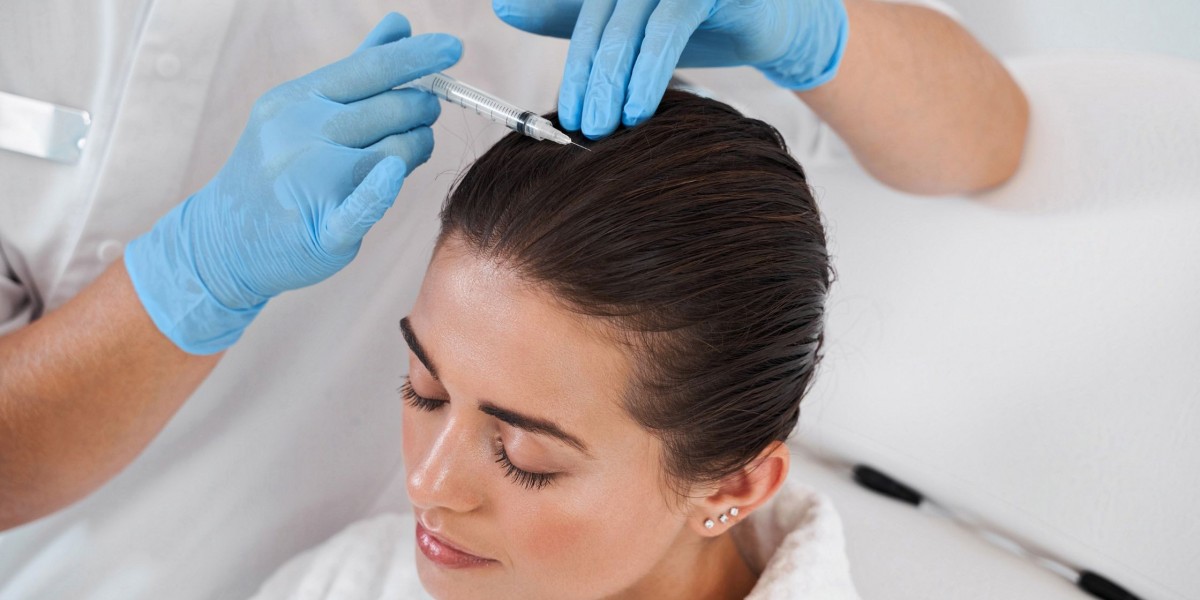
GFC therapy is a non-surgical, minimally invasive treatment that uses the patient’s own blood to extract concentrated growth factors. These growth factors are injected into the scalp to stimulate dormant hair follicles, improve blood circulation, and strengthen existing hair. GFC works at the cellular level to enhance follicle function, promoting natural hair growth and improving overall hair quality.
The treatment is usually performed over several sessions, spaced 4 to 6 weeks apart, and may be combined with maintenance sessions every 6 to 12 months to sustain results. GFC is suitable for individuals with early to moderate hair thinning, diffuse hair loss, or hair shedding due to stress, hormonal changes, or aging.
Understanding Hair Transplant Surgery
Hair transplant surgery involves harvesting healthy hair follicles from a donor area, usually the back or sides of the scalp, and transplanting them into areas of thinning or baldness. There are two main techniques: Follicular Unit Extraction (FUE) and Follicular Unit Transplantation (FUT).
Hair transplant provides a permanent solution for bald patches or advanced hair loss. The transplanted follicles continue to grow naturally, resulting in increased hair density and coverage. Unlike GFC therapy, which stimulates existing follicles, hair transplant adds new hair to areas where follicles have permanently stopped functioning.
Comparing Effectiveness
GFC Therapy:
GFC is highly effective for early-stage hair thinning and diffuse hair loss. It strengthens follicles, reduces shedding, and promotes gradual regrowth. Results are natural-looking and improve over time, but GFC does not replace completely lost hair or provide immediate coverage for bald patches.
Hair Transplant:
Hair transplant offers a more dramatic and permanent solution for significant baldness. It can restore hair in completely bald areas and create dense coverage in targeted regions. The results are usually visible after several months, as transplanted follicles establish themselves and enter the growth cycle.
Invasiveness and Recovery
GFC Therapy:
GFC is minimally invasive, involving small injections into the scalp. Patients experience little to no downtime, with only minor redness or swelling that typically resolves within a few hours. It is suitable for individuals who prefer a low-risk, non-surgical approach.
Hair Transplant:
Hair transplant is a surgical procedure that requires local anesthesia. Recovery can take several days to weeks, with potential swelling, redness, and mild discomfort. Post-operative care is essential to ensure graft survival and minimize complications. While safe when performed by experienced surgeons, it is more invasive than GFC therapy.
Cost Considerations
GFC therapy generally involves lower initial costs compared to hair transplant surgery, making it more accessible for patients with mild to moderate hair loss. However, multiple sessions and periodic maintenance can add to the long-term expense.
Hair transplants have a higher upfront cost due to surgery, equipment, and the expertise required. Since the results are permanent, the long-term cost may be justified for patients with extensive baldness who want a one-time solution.
Suitability
GFC Therapy:
Ideal for patients with early or moderate thinning
Suitable for women and men with diffuse hair loss
Beneficial for individuals who prefer non-surgical, natural methods
Can be combined with other treatments for enhanced results
Hair Transplant:
Best for patients with significant bald patches or advanced pattern baldness
Suitable for men and women with stable donor hair
Provides permanent and immediate coverage in areas without follicles
May be combined with GFC therapy post-surgery to enhance graft survival and stimulate surrounding follicles
Key Considerations for Patients in Islamabad
Choosing between GFC therapy and a hair transplant depends on the severity of hair loss, the desired outcome, recovery preferences, and budget. Individuals with mild thinning or those seeking gradual improvement may prefer GFC therapy. Those with extensive bald areas or pattern baldness may benefit more from a hair transplant. In many cases, combining GFC therapy with a hair transplant can optimize results, supporting graft survival and promoting healthy follicle function.