
Many women considering breast augmentation worry about how the surgery might affect their ability to breastfeed in the future. At Breast Augmentation in Islamabad, SKN Cosmetic Clinic ensures patients receive detailed guidance about both cosmetic results and potential functional outcomes. This blog explores the possibility of breastfeeding after augmentation, factors that influence it, and expert tips to maintain milk supply while achieving aesthetic goals.
Understanding Breast Augmentation
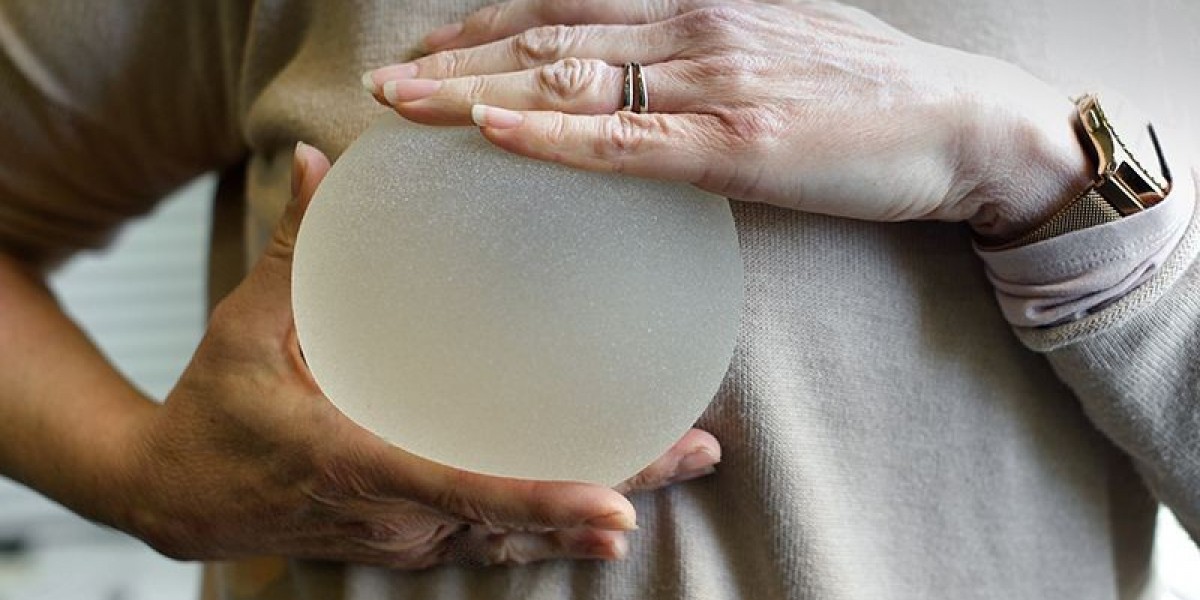
Breast augmentation, or augmentation mammoplasty, involves enhancing breast size and shape using implants or fat transfer. The procedure is highly customizable:
Implant Types: Silicone, saline, or fat transfer
Incision Locations: Inframammary (under the breast), periareolar (around the nipple), transaxillary (through the armpit), or transumbilical (through the navel)
Implant Placement: Submuscular (under the chest muscle) or subglandular (above the muscle)
While primarily cosmetic, breast augmentation can have minor impacts on breastfeeding, depending on surgical technique.
Is Breastfeeding Possible After Augmentation?
The short answer is yes, most women can breastfeed successfully after breast augmentation. Several studies and clinical experience indicate that breastfeeding ability is largely preserved, particularly when certain surgical methods are used:
Incisions that avoid the nipple are less likely to damage milk ducts.
Submuscular implant placement typically has minimal impact on lactation.
Experienced surgeons take care to protect glandular tissue and ducts.
Although some patients may experience slightly reduced milk supply, most are still able to breastfeed effectively.
Factors That Influence Breastfeeding Success
Several variables can affect the ability to breastfeed after breast augmentation:
| Factor | Impact on Breastfeeding |
|---|---|
| Incision Location | Periareolar incisions may slightly increase risk of duct damage |
| Implant Placement | Submuscular placement generally preserves milk ducts better |
| Surgical Technique | Surgeons who minimize glandular disruption reduce risk of lactation issues |
| Pre-existing Breast Tissue | Women with more natural tissue may experience fewer challenges |
| Post-Surgery Recovery | Adequate healing supports milk production and breastfeeding comfort |
Tips for Successful Breastfeeding
For women who have undergone breast augmentation, these tips can support effective breastfeeding:
Consult Your Surgeon: Discuss your breastfeeding goals before surgery.
Plan Incision and Implant Type Carefully: Choose techniques that preserve nipple sensitivity and milk ducts.
Monitor Milk Supply: Regular feeding and pumping help maintain supply.
Seek Lactation Support: Professional lactation consultants can offer personalized guidance.
Positioning Matters: Experiment with different feeding positions to optimize comfort and flow.
Possible Challenges
While breastfeeding after augmentation is usually possible, some women may encounter challenges:
Reduced Milk Supply: Mild reduction may occur if ducts or nerves are affected.
Sensitivity Changes: Some patients experience reduced nipple sensation, which can affect let-down reflex.
Engorgement or Discomfort: Swelling or pressure from implants may cause temporary discomfort.
Proper planning, support, and consultation with healthcare professionals can mitigate these challenges.
Benefits of Breastfeeding After Augmentation
Even with augmentation, breastfeeding offers numerous benefits:
Nutritional: Provides optimal nutrients for infants.
Immunological: Transfers antibodies to the baby.
Emotional: Strengthens mother-child bonding.
Postpartum Recovery: Helps the uterus return to pre-pregnancy size and supports postpartum weight management.
Augmentation surgery does not eliminate these benefits; it primarily requires mindful planning.
FAQs About Breastfeeding After Augmentation
Q1: Can all women breastfeed after implants?
Most women can, particularly when the nipple is not incised and implants are placed under the muscle.
Q2: Does implant type matter?
Silicone or saline implants do not directly affect milk production. Placement and surgical technique are more critical.
Q3: Will breastfeeding affect my implants?
Breastfeeding does not damage implants, though breast size may fluctuate temporarily.
Q4: How can I maintain milk supply?
Frequent feeding or pumping, proper hydration, and lactation support help maintain supply.
Q5: Can breastfeeding affect implant shape?
Minor changes may occur due to natural postpartum breast changes, but implants themselves remain intact.
Conclusion
Breastfeeding after breast augmentation is possible for the majority of women, especially when careful surgical planning is considered. Key factors such as incision placement, implant type, and post-operative care determine success. By consulting with a qualified surgeon and utilizing lactation support, mothers can enjoy the benefits of breastfeeding while achieving their desired aesthetic outcomes.
For women considering SKN Cosmetic Clinic in Islamabad, expert surgeons provide safe and personalized breast augmentation services that prioritize both cosmetic results and functional outcomes. Their team ensures patients receive professional guidance, post-operative support, and a high likelihood of breastfeeding success after surgery. Breast augmentation at SKN Cosmetic Clinic allows women to enhance appearance while maintaining the ability to nurture their children effectively.