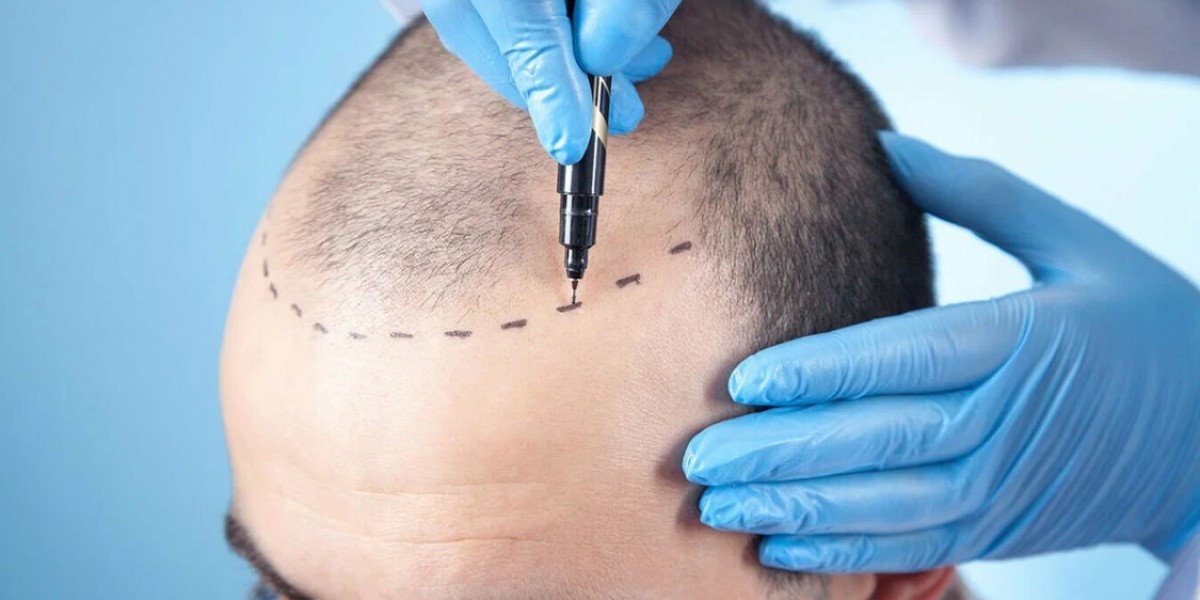

In Riyadh, female hair restoration is often a more nuanced and technically demanding procedure than its male counterpart.1 While men typically seek to fill specific bald spots, women usually deal with diffuse thinning across the entire scalp or a receding "frontal" hairline.2
On average, the hair transplant cost in Riyadh for 2025 typically starts around 7,000 SAR and can reach up to 30,000 SAR depending on the technique used.
In 2025, the cost for a female hair transplant in the capital reflects this complexity, with prices generally ranging from SAR 10,000 to SAR 40,000.3
Understanding the "Female Premium" involves looking at the specialized techniques required to preserve long hair and achieve natural density.
The Cost of "Non-Shaven" FUE (U-FUE)
The single biggest factor that drives up the price for women in Riyadh is the requirement for Non-Shaven FUE. Unlike men, who often shave their heads for the procedure, most women prefer to keep their existing hair long.4
The Challenge: The surgeon must navigate between existing long hairs to extract and plant new follicles without damaging the surrounding "native" hair.5
The Math: Because this is significantly more time-consuming (taking up to 8–10 hours), clinics often charge 20% to 50% more than a standard shaven FUE.
2025 Pricing: Expect to pay SAR 15,000 – SAR 25,000 for a non-shaven session of 1,500 to 2,000 grafts.
Technical Pricing Factors for Women
Beyond the shaven vs. non-shaven debate, several specific anatomical requirements influence the final bill:
1. Hairline Lowering vs. Density Filling
Women seeking to lower a naturally high forehead require a different approach than those filling in a thinning crown.
Forehead Lowering: This requires high-density "single hair" grafts to create a soft, feminine transition. It is priced as a "Boutique Area" procedure, often starting at SAR 12,000.
Diffuse Thinning: Filling in the "Parting Line" requires a high volume of grafts spread across a wide area. This is usually billed by graft count, often totaling SAR 18,000 – SAR 30,000.
2. Choice of Technique (DHI vs. Sapphire)
In Riyadh, DHI (Direct Hair Implantation) is the preferred method for women. Because the "Choi Pen" allows the surgeon to implant hair without first cutting "channels" into the scalp, it minimizes trauma to the surrounding long hair. However, DHI is consistently the most expensive technique, often costing SAR 10 – SAR 15 per graft.
The "True Cost" of Female Restoration in Riyadh (2025)
| Procedure Type | Average Grafts | Estimated Price (SAR) |
| FUT (Strip Method) | 2,000+ | SAR 8,000 – SAR 15,000 |
| Standard FUE | 1,500 – 2,500 | SAR 12,000 – SAR 22,000 |
| Non-Shaven (U-FUE) | 1,500 – 2,000 | SAR 18,000 – SAR 30,000 |
| DHI (Premium) | 2,000+ | SAR 25,000 – SAR 40,000 |
Hidden Factors Unique to Women
Hormonal Screening: Before a transplant, women in Riyadh are often required to undergo extensive blood work to rule out PCOS, iron deficiency, or thyroid issues—causes of hair loss that surgery won't fix. This testing adds SAR 800 – SAR 1,200 to the pre-op costs.
Long-Term PRP: To protect "native" hair from further thinning, surgeons almost always mandate a 12-month PRP (Platelet-Rich Plasma) cycle. In 2025, a package of 4 sessions in Riyadh costs roughly SAR 4,000 – SAR 6,000.
Specialized Maintenance: Post-op care for women often includes high-concentration Minoxidil foams or Viviscal supplements, which can cost SAR 300 per month.
Is it Worth the Investment?
While the upfront cost in Riyadh is higher for women than for men, the "local advantage" is critical. Female hair loss is often progressive and linked to hormonal shifts. Having a local surgeon in districts like Al-Sulaimaniyah or Al-Takhassusi who can monitor your progress every three months ensures that your transplant isn't just a "one-off" fix, but a managed part of your long-term hair health.