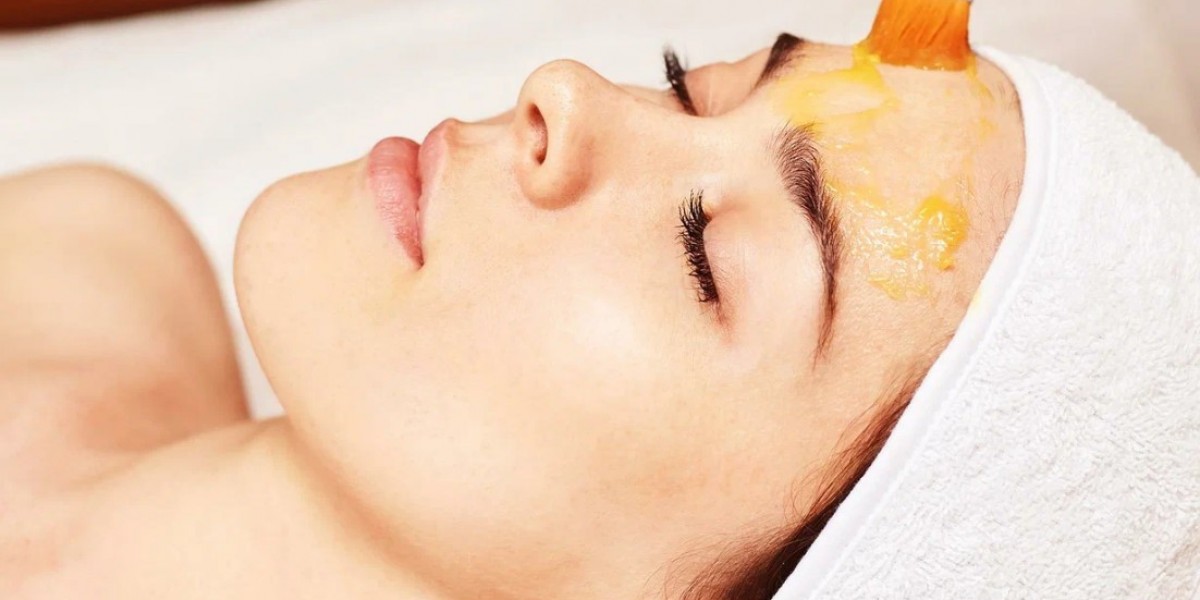

The frequency of chemical peels in Riyadh depends on several factors, including skin type, the type and depth of the peel, specific skin concerns, and individual goals. Chemical peels are designed to exfoliate the skin, promote cell turnover, and stimulate collagen production, providing a range of benefits from improved texture and tone to reduced fine lines, wrinkles, and hyperpigmentation. To maximize these benefits safely, it is essential to understand how often treatments should be scheduled and how to tailor the frequency to each individual’s needs.
Chemical peels in Riyadh offer an effective way to rejuvenate the skin, reduce pigmentation, and achieve a smoother, brighter complexion.
Chemical peels are generally categorized into superficial, medium, and deep peels, with each requiring a different treatment schedule. Superficial peels are the mildest, targeting only the outermost layer of the skin. These peels typically use alpha hydroxy acids (AHAs) like glycolic acid or lactic acid, or beta hydroxy acids (BHAs) like salicylic acid. Because superficial peels are gentle, they can be performed more frequently. For most individuals, sessions every two to four weeks are recommended, depending on the skin’s response and the treatment goals. Regular superficial peels help maintain smooth, radiant skin, manage mild pigmentation, and prevent early signs of aging, making them suitable for ongoing skincare maintenance.
Medium-depth peels, such as those using trichloroacetic acid (TCA), penetrate deeper into the epidermis and sometimes the upper dermis. These peels are more intensive and require longer recovery periods. Due to their strength, medium peels are generally scheduled every four to six weeks, or even longer depending on the individual’s healing process and skin condition. Medium peels are often used for addressing moderate pigmentation issues, sun damage, acne scars, and fine lines. Proper spacing between sessions allows the skin to fully recover and ensures that the cumulative effects of collagen stimulation and cell regeneration are achieved without over-exfoliation.
Deep peels, such as phenol-based treatments, provide dramatic results and penetrate the lower layers of the dermis. Because of their intensity, deep chemical peels are usually performed once, or occasionally repeated after a year or more if necessary. These peels require significant downtime, close monitoring, and thorough post-treatment care. Deep peels are typically reserved for severe skin concerns, such as pronounced wrinkles, extensive sun damage, or deep scars. Due to their transformative effect, frequent sessions are neither necessary nor recommended.
Individual skin type and condition also play a crucial role in determining the frequency of chemical peels in Riyadh. Sensitive skin may require longer intervals between treatments to prevent irritation and allow for adequate recovery. People with oily or acne-prone skin may tolerate more frequent superficial peels, which help to unclog pores and reduce breakouts. Skin that is prone to hyperpigmentation or uneven tone may benefit from a series of treatments spaced appropriately to achieve gradual and safe improvement.
Environmental factors in Riyadh also influence the recommended frequency of chemical peels. The city’s sunny and dry climate can affect skin sensitivity and recovery. Post-peel skin is particularly vulnerable to UV damage, so incorporating broad-spectrum sunscreen, protective clothing, and limiting direct sun exposure are critical components of aftercare. Failure to protect the skin can lead to pigmentation issues, irritation, or reduced peel effectiveness. Consequently, treatment schedules may need to be adjusted seasonally or according to sun exposure levels to ensure optimal results.
Consistency is key to achieving long-term benefits from chemical peels. For most individuals, a combination of initial series treatments followed by maintenance sessions provides the best results. For example, a series of superficial or medium peels performed over several months can address primary skin concerns, followed by quarterly maintenance sessions to preserve smoothness, brightness, and even tone. This approach balances effectiveness with safety and helps prevent over-exfoliation or adverse reactions.
It is also important to consider complementary skincare routines alongside chemical peels. Incorporating gentle cleansers, moisturizers, and serums with active ingredients like antioxidants, peptides, or hyaluronic acid can enhance peel results. Using these products between sessions helps maintain skin hydration, supports collagen production, and prolongs the visible improvements achieved from peels.
In conclusion, the frequency of chemical peels in Riyadh varies depending on peel depth, skin type, specific concerns, and environmental factors. Superficial peels can generally be performed every two to four weeks, medium peels every four to six weeks, and deep peels are usually performed only once with long-term follow-up. Individual assessment by a skincare professional is essential to develop a safe and effective schedule that maximizes results while protecting skin health. Combined with proper aftercare, sun protection, and complementary skincare, regular chemical peel treatments offer a reliable way to achieve and maintain smooth, radiant, and rejuvenated skin in Riyadh.