
Spider veins, also known as telangiectasias, are small, dilated blood vessels that appear close to the surface of the skin. They are often red, blue, or purple in color and can form web-like patterns, most commonly on the legs and face. While spider veins are usually harmless, they can be a cosmetic concern for many people and sometimes cause discomfort, including itching, burning, or mild pain. In Riyadh, laser therapy has become a leading method for safely and effectively treating spider veins, offering minimal downtime and significant cosmetic improvement. Laser treatment in Riyadh offers advanced solutions for skin rejuvenation, hair removal, and correcting various skin concerns with precision and safety.
Understanding Spider Veins
Spider veins develop when tiny veins become enlarged or weakened, causing blood to pool and the vessels to become visible through the skin. Several factors contribute to their formation, including genetics, age, hormonal changes, pregnancy, prolonged standing or sitting, and sun exposure. Unlike varicose veins, which are larger, more pronounced, and often associated with more serious circulatory issues, spider veins are typically smaller and primarily a cosmetic concern, though they can sometimes cause minor symptoms.
Traditional treatments such as sclerotherapy, which involves injecting a solution into the veins to collapse them, have been effective for many patients. However, laser therapy offers a non-invasive alternative that is particularly useful for smaller veins, veins in sensitive areas, or patients who prefer to avoid injections.
How Laser Therapy Works
Laser therapy for spider veins uses concentrated beams of light to target the affected veins. The laser energy is absorbed by the blood within the veins, causing the vessel walls to heat up and collapse. Once the vein is destroyed, the body gradually reabsorbs it, and blood is naturally redirected to healthier veins. Over time, the visible appearance of the spider veins fades, and the skin appears smoother and clearer.
Laser therapy is highly precise, allowing dermatologists to target the problematic veins while leaving surrounding tissue unharmed. This precision minimizes the risk of complications and ensures more uniform cosmetic results.
Types of Laser Treatments for Spider Veins
Several types of laser technologies are used for treating spider veins:
1. Surface Lasers:
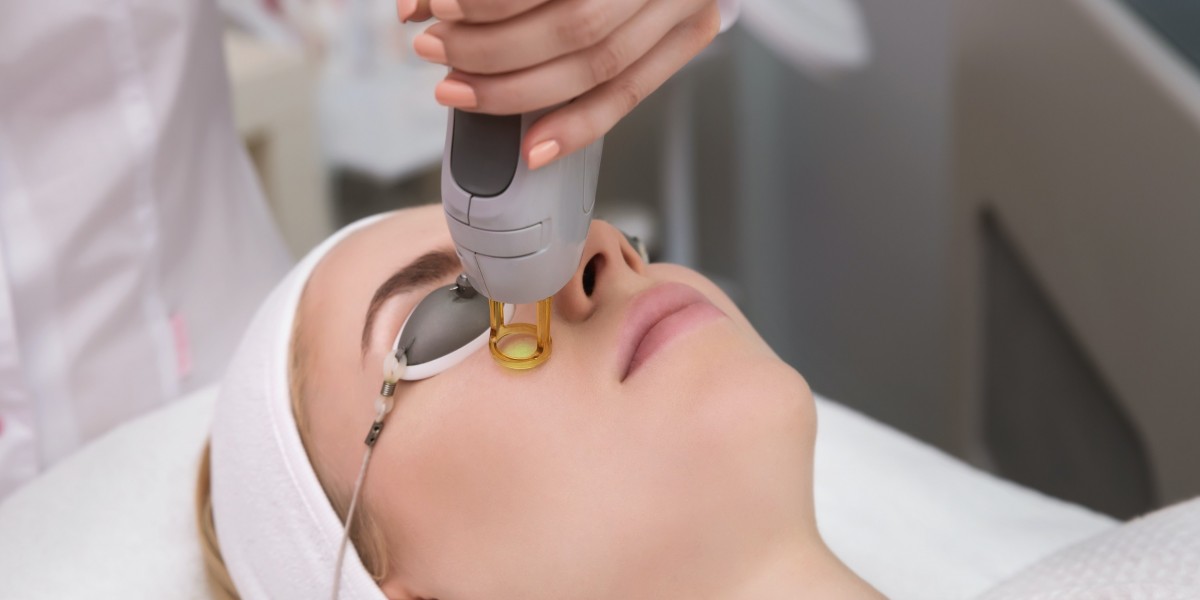
Surface lasers, also known as pulsed light lasers, are effective for treating small veins on the legs or face. They deliver light energy directly to the surface of the skin, targeting veins without the need for incisions or injections. This type of laser is ideal for fine spider veins or veins located in delicate areas such as the nose or cheeks.
2. Endovenous Lasers:
Endovenous laser therapy is used for larger or deeper veins, often those located beneath the skin’s surface. This procedure involves inserting a small fiber into the vein, which delivers laser energy from the inside, causing the vein to collapse and seal. This method is minimally invasive and is highly effective for veins that cannot be treated with surface lasers alone.
3. Fractional or Advanced Vascular Lasers:
Some clinics use advanced fractional or vascular lasers, which allow precise targeting of veins with minimal damage to surrounding skin. These lasers can also help improve skin texture and tone in addition to eliminating visible veins.
The Procedure
Before undergoing laser therapy, a dermatologist in Riyadh will evaluate the patient’s veins, skin type, and medical history to determine the most appropriate laser type and treatment plan. Protective eyewear is worn during the procedure, and a cooling device or gel may be applied to reduce discomfort.
During treatment, the laser is applied over the targeted veins in a series of controlled pulses. Patients may feel a mild snapping or warming sensation, which is generally well tolerated. Treatment sessions typically last 20 to 60 minutes, depending on the size and number of veins being treated. Multiple sessions are often required to achieve optimal results, especially for larger areas or more extensive vein networks.
Recovery and Aftercare
Laser therapy for spider veins is minimally invasive, and most patients can return to normal activities immediately after treatment. Mild redness, swelling, or bruising may occur in the treated areas, but these effects generally resolve within a few days. Patients are advised to avoid excessive sun exposure and follow any specific care instructions provided by their dermatologist to ensure proper healing and prevent recurrence.
Benefits of Laser Therapy for Spider Veins
Laser therapy offers several advantages over traditional treatments:
Non-Invasive: No needles or incisions are required.
Precision: Targets affected veins without damaging surrounding tissue.
Quick Recovery: Minimal downtime, allowing patients to resume daily activities almost immediately.
Versatile: Effective for veins on the face, legs, and other areas.
Cosmetic Improvement: Reduces visible veins and improves skin appearance.
Potential Risks and Considerations
While laser therapy is generally safe, potential side effects may include temporary redness, swelling, mild discomfort, or bruising. Rarely, changes in skin pigmentation or blistering may occur. The risk of complications is minimized when the procedure is performed by a qualified dermatologist with experience in vascular treatments. Multiple sessions may be required for complete elimination of the veins, and results may vary depending on the individual’s skin type, vein size, and overall health.