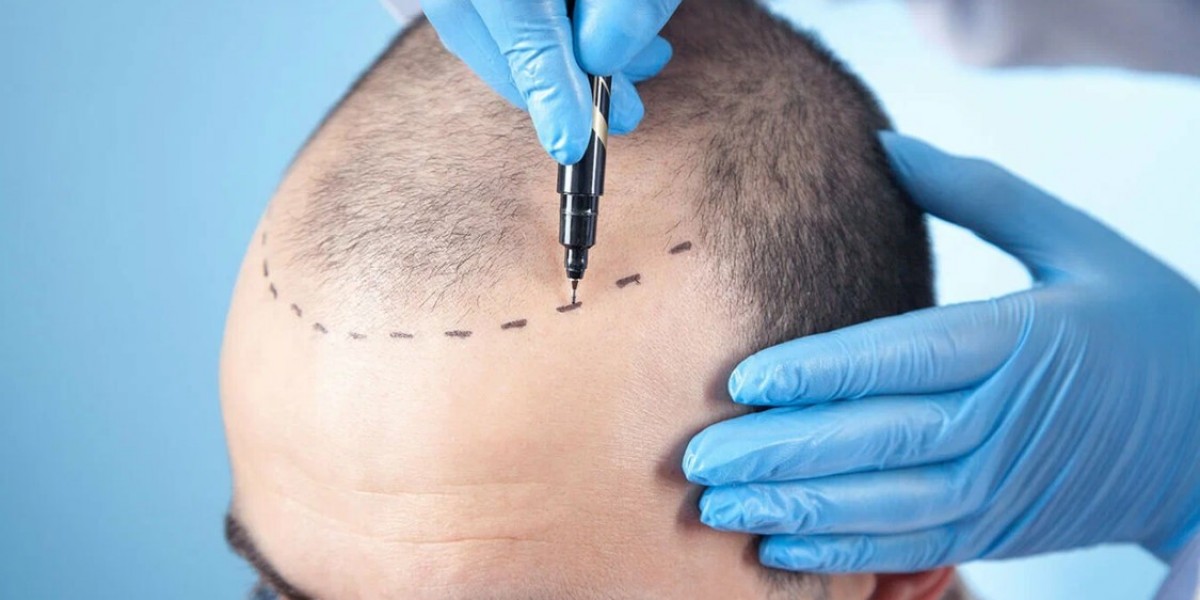

Hair transplantation has become a highly effective and sought-after solution for hair loss in Riyadh, offering natural-looking results when performed by experienced professionals. Understanding the expected outcomes and the timeline for hair growth after a hair transplant is crucial for patients to set realistic expectations and plan their recovery process. While individual results may vary based on factors like age, hair type, and the technique used, there is a general progression that most patients can anticipate. Many people consider hair transplant in Riyadh as an effective solution for restoring hair and boosting confidence.
Immediate Post-Surgery Phase (Days 1–7)
The first week following a hair transplant is primarily focused on healing. Immediately after the procedure, the scalp may appear red and tender, and tiny scabs will form around each transplanted follicle. Swelling of the forehead or around the eyes is common, especially after large sessions. Pain is generally mild and managed with prescribed medications. Patients are advised to keep the scalp clean using gentle sprays or mild shampoos as recommended by their surgeon. It is crucial to avoid touching, scratching, or picking at the grafts during this period, as premature trauma can dislodge follicles and affect results.
During this phase, patients in Riyadh should also avoid strenuous activity, excessive sun exposure, and wearing tight headgear that may rub against the scalp. Following these precautions helps minimize the risk of infection, scarring, or graft displacement.
Shedding Phase (Weeks 2–8)
One of the most common experiences after a hair transplant is “shock loss,” where the transplanted hairs shed. This occurs because follicles enter a resting (telogen) phase as a natural response to the trauma of transplantation. While seeing the transplanted hairs fall out can be alarming, it is entirely normal and temporary. The follicles themselves remain intact under the scalp, and new growth will begin after this period.
During this phase, patients may notice some shedding of existing non-transplanted hair in the recipient area. Maintaining patience and following post-operative care instructions are essential, as this phase is a standard part of the hair growth cycle.
Initial Hair Growth (Months 3–4)
Around the third to fourth month, the transplanted follicles begin producing new hair. Initially, this hair may be fine, thin, and lighter in color, often referred to as “vellus hair.” This is a normal stage of growth, as the follicles gradually strengthen and mature. Patients may notice patchy growth at first, with some areas appearing denser than others.
During this period, it is important to continue gentle scalp care and avoid harsh styling practices, chemical treatments, or excessive heat. Proper nutrition, hydration, and, in some cases, adjunct treatments like Platelet-Rich Plasma (PRP) therapy can support follicle health and promote more robust growth.
Significant Hair Growth (Months 6–9)
By the six-month mark, most patients in Riyadh can expect visible improvement in hair density and coverage. The transplanted hair becomes thicker and starts to resemble the natural texture and color of existing hair. At this stage, the results become noticeable to both the patient and others, although some refinement may continue for several more months.
Hair continues to grow in cycles, and new growth tends to appear uneven initially. Surgeons often reassure patients that the hair will gradually fill in over time. Proper hair care practices, including regular washing, avoiding tight hairstyles, and protecting the scalp from extreme heat or sun, help optimize results during this phase.
Mature Results (Months 12–18)
The full effect of a hair transplant is generally achieved between 12 and 18 months post-procedure. By this stage, the transplanted hair is fully integrated with existing hair, with consistent density, color, and texture. Patients in Riyadh often report high satisfaction with the natural appearance and improved self-confidence resulting from the procedure.
Any minor irregularities or gaps in growth typically resolve during this final maturation phase. Surgeons may recommend follow-up consultations to assess the results, address any concerns, and discuss maintenance strategies to preserve the longevity of the transplant.
Factors Influencing Results
Several factors can affect the timeline and quality of results:
Age and Health: Younger patients with healthy scalps and robust donor hair often experience faster and denser growth.
Technique Used: FUE, FUT, or DHI may have slight differences in recovery and growth patterns, with DHI offering precise follicle placement that can enhance early growth appearance.
Donor Hair Quality: The density and characteristics of hair in the donor area influence the final coverage and natural look.
Post-Operative Care: Adherence to scalp care, avoiding trauma, and maintaining a healthy lifestyle significantly impact growth outcomes.
Maintenance and Long-Term Considerations
Even after the transplant is complete, ongoing hair care is important. Patients may use medical treatments like minoxidil or finasteride to stabilize existing hair and prevent further hair loss. Healthy diet, stress management, and avoiding excessive chemical treatments contribute to the longevity of results.
Conclusion
Hair transplant results in Riyadh follow a predictable timeline, beginning with healing and shedding, followed by gradual hair growth and maturation. By understanding each phase, patients can set realistic expectations and take appropriate steps to ensure optimal outcomes. While initial shedding and uneven growth are normal, patience and proper care lead to natural, long-lasting results, typically visible between 12 and 18 months. With modern techniques and professional guidance, hair transplantation provides a reliable solution for hair restoration and improved confidence.