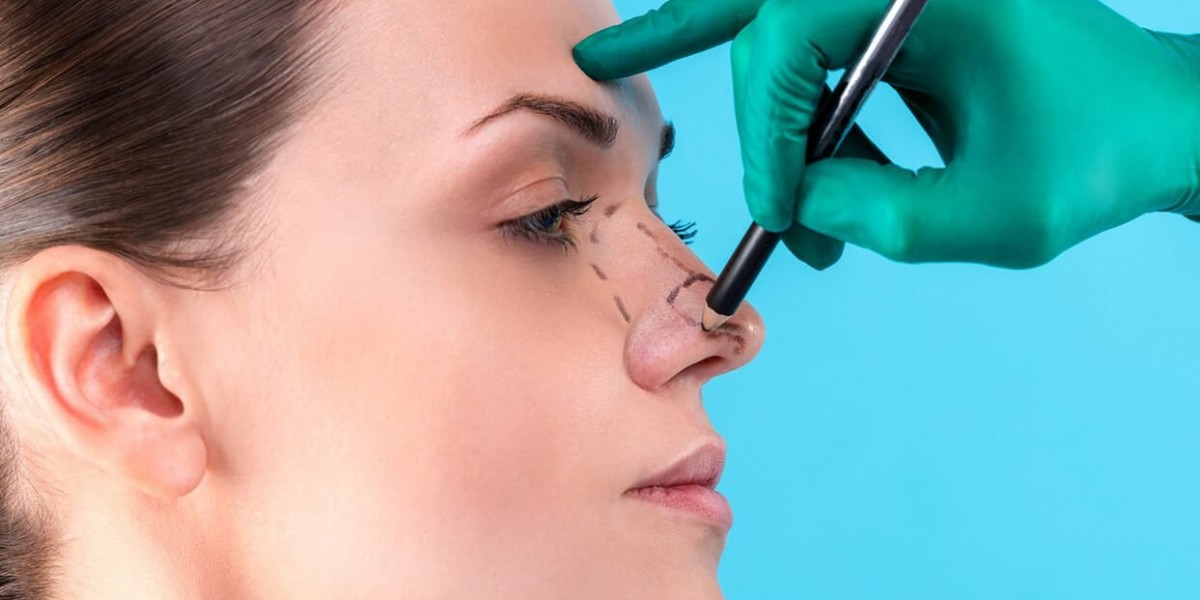

Post-operative care is a critical component of a successful rhinoplasty procedure. For patients undergoing rhinoplasty in Riyadh, careful attention to recovery guidelines ensures optimal results, minimizes complications, and promotes faster healing. Rhinoplasty, whether performed for aesthetic improvement, functional correction, or both, involves delicate alterations to the nasal bone, cartilage, and soft tissues. Proper post-operative care helps protect these structures while reducing swelling, bruising, and discomfort. Rhinoplasty in Riyadh has become increasingly popular for those seeking both aesthetic enhancement and functional improvements to their noses.
1. Understanding Immediate Post-Operative Care
Immediately after surgery, patients are usually monitored in a recovery area for a few hours to ensure stability following anesthesia. Swelling, bruising, and mild discomfort are common in the first 24 to 48 hours. It is essential to follow the surgeon’s instructions regarding pain management, activity levels, and nasal care. Avoiding any strain on the nose during this critical period is vital to prevent bleeding or displacement of nasal structures.
Patients in Riyadh are often provided with nasal splints or external supports to maintain the shape of the nose. These splints help stabilize the bones and cartilage during the initial healing phase and are typically removed after about one week. Keeping the splints dry and avoiding any pressure on them is essential for proper healing.
2. Managing Swelling and Bruising
Swelling and bruising around the eyes and nose are expected after rhinoplasty. Cold compresses can be applied intermittently during the first 48 hours to reduce swelling and relieve discomfort. Patients should avoid placing ice directly on the skin to prevent frostbite, instead using a soft cloth or towel as a barrier.
Elevating the head, even while sleeping, is another effective way to minimize swelling. Using extra pillows or sleeping in a recliner can help improve fluid drainage and reduce pressure on the surgical site. Swelling typically peaks within the first few days and gradually subsides over the following weeks, although subtle swelling may persist for several months.
3. Pain Management
Pain following rhinoplasty is usually moderate and can be managed effectively with prescribed medications. Surgeons often recommend analgesics such as acetaminophen, while stronger pain medications may be prescribed for the first 48 hours if needed. Patients should follow the recommended dosage and schedule strictly. Over-the-counter anti-inflammatory medications should only be used if approved by the surgeon, as certain drugs can increase bleeding risk.
Discomfort can also be minimized by avoiding strenuous activity, bending over, or heavy lifting during the initial recovery period. Relaxation techniques, adequate rest, and proper support can all contribute to better pain control.
4. Nasal Care and Hygiene
Proper nasal care is essential for both comfort and the prevention of complications. Patients should avoid touching, rubbing, or blowing the nose during the early recovery phase. Saline sprays or gentle nasal irrigation may be recommended by the surgeon to keep nasal passages moist, reduce crusting, and promote healing.
Keeping the surgical site clean and following instructions for cleaning around the splints and incisions is important to prevent infection. Any signs of unusual discharge, persistent bleeding, or increased redness should be reported to the surgeon immediately.
5. Activity Restrictions
During the first few weeks after rhinoplasty, patients should avoid activities that could jeopardize healing. This includes strenuous exercise, heavy lifting, bending over, and any activity that risks trauma to the nose. Contact sports or activities where the nose might be bumped should be avoided for at least six to eight weeks.
Sun exposure should also be minimized, as direct sunlight can worsen swelling and cause discoloration of healing tissues. Wearing a wide-brimmed hat and using sunscreen can help protect the nose once it is safe to go outdoors.
6. Diet and Hydration
A balanced diet rich in vitamins and minerals supports the healing process. Adequate hydration is essential to maintain tissue elasticity and promote overall recovery. Soft foods may be more comfortable in the first few days, especially if jaw movement causes discomfort near the nose. Avoiding excessive salt intake can also help reduce post-operative swelling.
7. Emotional and Psychological Support
Recovery from rhinoplasty is not only physical but also emotional. Swelling, bruising, and temporary changes in appearance can cause anxiety for some patients. Understanding that these effects are normal and temporary helps maintain a positive mindset. Support from family and friends can also improve comfort and encourage adherence to post-operative instructions.
8. Follow-Up Appointments
Regular follow-up visits with the surgeon are essential to monitor healing, remove splints or sutures, and address any concerns promptly. These appointments allow the surgeon to ensure that the nose is healing correctly and to make recommendations for ongoing care. Adhering to follow-up schedules is crucial for achieving the best possible outcomes.
9. Long-Term Considerations
While most discomfort and visible swelling resolve within a few weeks, the nose continues to heal and refine over several months. Patients should remain patient and continue to follow care guidelines during this period. Maintaining a healthy lifestyle, protecting the nose from trauma, and following any long-term recommendations from the surgeon are important for preserving results.
Conclusion
Post-operative care after rhinoplasty in Riyadh is essential for achieving optimal outcomes and ensuring a smooth recovery. Proper management of swelling, pain, nasal hygiene, and activity levels, along with adherence to follow-up appointments and lifestyle guidelines, contributes to both functional and aesthetic success. By following these comprehensive care tips, patients can enhance healing, reduce complications, and enjoy the full benefits of their rhinoplasty procedure. Careful attention to post-operative instructions is a key factor in transforming the surgical experience into a satisfying and lasting result.