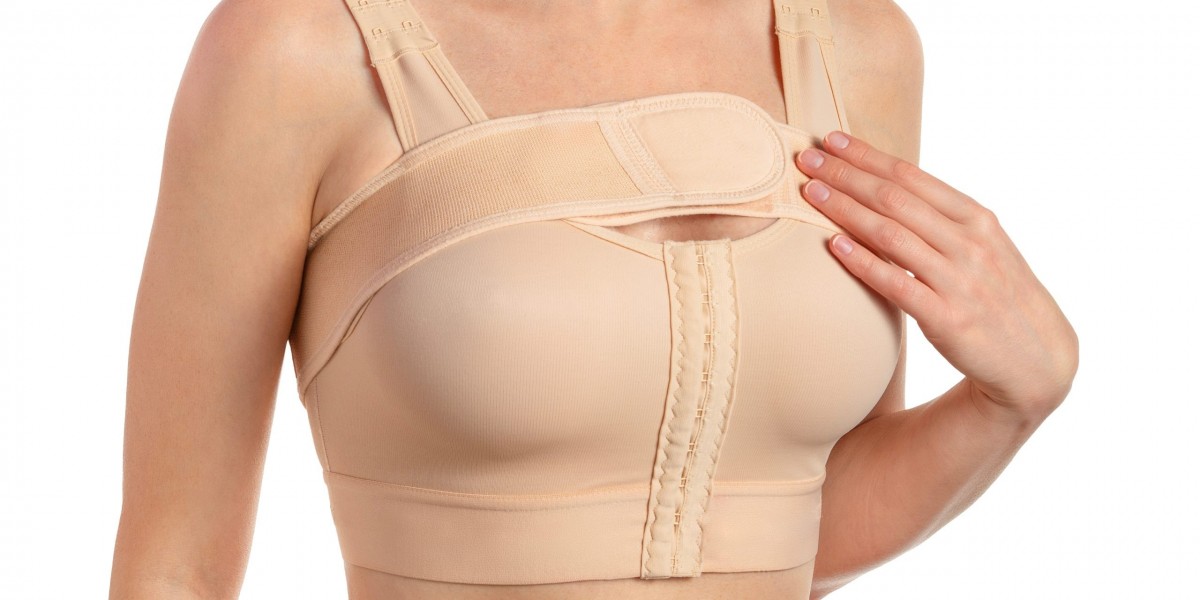

Breast implants and weight fluctuations are closely connected, and understanding this relationship is important for anyone considering or already having undergone breast implant surgery. While implants themselves do not change with weight gain or loss, the natural breast tissue and surrounding fat can respond to body weight changes. This interaction can influence the overall appearance, proportion, and long-term results of breast implants. Breast implants in Riyadh are a popular option for individuals seeking enhanced shape, improved symmetry, and long-lasting confidence through modern aesthetic solutions
Breast implants are designed to maintain their shape and volume regardless of changes in body weight. Silicone and saline implants do not shrink or expand when a person gains or loses weight. However, natural breast tissue is composed of fat, glandular tissue, and connective tissue, all of which can be affected by weight fluctuations. As body fat increases or decreases, the breast tissue surrounding the implant may change, altering how the breasts look and feel.
Weight gain can increase the amount of fat in the breasts, making them appear fuller or larger than initially expected after surgery. In some cases, this can enhance cleavage or softness, but it may also lead to disproportion if weight gain is significant. Excessive weight gain can place additional strain on the skin and supportive tissues, potentially contributing to sagging over time. For individuals with implants, this added volume may cause the breasts to look heavier or less lifted, especially if the skin’s elasticity is limited.
On the other hand, weight loss can reduce the natural fat around the implant. This may make the implant more noticeable, especially in individuals with minimal natural breast tissue. When the surrounding fat decreases, the edges or contours of the implant may become more visible or palpable. In some cases, significant weight loss can lead to looseness in the skin, creating a deflated appearance or mild sagging despite the presence of implants. This effect is more pronounced when weight loss is rapid or substantial.
The impact of weight fluctuations on breast implants also depends on the type of implant and its placement. Implants placed under the chest muscle are often better concealed by muscle tissue, which can reduce visible changes after weight loss. Over-the-muscle placement may show more noticeable changes if surrounding fat decreases. Implant size also plays a role, as larger implants may be more affected visually when body proportions change.
Skin elasticity is another critical factor. Individuals with good skin elasticity are more likely to maintain a stable breast shape despite moderate weight changes. Younger patients or those with healthy skin often adapt better to fluctuations, while reduced elasticity can make changes more noticeable. Over time, repeated cycles of weight gain and loss can weaken the skin’s ability to retract, affecting the long-term appearance of the breasts.
Hormonal changes linked to weight fluctuations can also influence breast tissue. Hormones affect fat distribution and breast fullness, meaning changes in weight may coincide with changes in breast size even without implants. These natural variations can amplify or reduce the visual impact of implants, depending on the individual’s body response.
Maintaining a stable weight is generally recommended for optimal long-term results after breast implant surgery. Achieving and sustaining a healthy weight before surgery allows the surgeon to select an implant size and placement that best suits the patient’s natural proportions. Stability reduces the risk of noticeable changes after surgery and helps preserve symmetry and shape over time.
For those who already have implants and experience significant weight changes, adjustments may be considered if appearance concerns arise. In some cases, additional procedures such as breast lifting or implant exchange can help restore balance and contour. However, many individuals with implants experience only minor visual changes with moderate weight fluctuations and remain satisfied with their results.
Lifestyle habits play a supportive role in managing the effects of weight changes. A balanced diet, regular physical activity, and healthy routines help maintain a consistent weight and support overall skin health. Staying hydrated and nourishing the body with essential nutrients can improve skin elasticity and tissue strength, reducing the visible impact of fluctuations.
In conclusion, while breast implants themselves are unaffected by weight gain or loss, the surrounding natural tissue responds to changes in body weight. These changes can influence breast shape, fullness, and overall appearance. Understanding this relationship allows individuals to make informed decisions, set realistic expectations, and take steps to maintain long-lasting, satisfying results with breast implants.