
The Vision Behind Valorant
Riot Games designed Valorant with a clear goal:
to create a high-skill, competitive FPS that rewards precision, strategy, and teamwork while remaining accessible to a wide range of players.
Unlike fast-paced arcade shooters, Valorant emphasizes:
Tactical decision-making
Map control
Utility usage
Team coordination
Every round is a test of discipline and planning rather than pure reflexes.
Core Gameplay Mechanics
Valorant follows a round-based format where two teams of five compete as attackers and defenders.
Core Objectives:
Attackers must plant the spike
Defenders must prevent the plant or defuse the spike
Each match is divided into halves, and teams must adapt strategies based on economy, map control, and opponent behavior.
Agents and Roles Explained in Detail
Agents are the backbone of Valorant’s identity. Each agent belongs to a specific role, encouraging team balance and strategic depth.
Duelists
Designed for aggressive play and entry fragging.
Excel at opening fights
Create space for the team
High risk, high reward
Examples include agents focused on speed, flashes, or mobility.
Controllers
Masters of map control.
Use smokes and vision denial
Control choke points
Shape how rounds are played
Controllers are essential for structured attacks and site defenses.
Initiators
Information gatherers and engagement starters.
Reveal enemy positions
Disrupt defensive setups
Enable team pushes
Initiators are key to coordinated team play.
Sentinels
Defensive specialists.
Lock down areas
Watch flanks
Provide team support
Sentinels reward patience and game sense.
Gunplay and Shooting Mechanics
Despite having abilities, Valorant’s combat is deeply rooted in traditional FPS mechanics.
Key Gunplay Features:
First-shot accuracy is critical
Recoil patterns require discipline
Movement penalties punish careless play
Weapons like rifles dominate high-level play, while pistols and SMGs play important roles in economy rounds.
Economy System and Its Importance
Valorant’s economy system adds another layer of strategy.
Players must manage credits wisely to decide when to:
Buy full equipment
Force buy
Save for future rounds
Smart economic decisions often decide matches just as much as mechanical skill.
Map Design and Tactical Depth
Valorant maps are intentionally structured to promote tactical gameplay.
Common Design Elements:
Narrow choke points
Multiple entry routes
Vertical angles
Defensive utility zones
Understanding map layouts, common angles, and utility usage is essential for improving performance.
Ranked Mode and Competitive Progression
Valorant’s ranked system attracts millions of players worldwide.
Ranked Highlights:
Skill-based matchmaking
Clearly defined rank tiers
Visible progression and rewards
Ranking up requires consistency, teamwork, and adaptability rather than individual performance alone.
Anti-Cheat and Competitive Integrity
Riot’s Vanguard anti-cheat system plays a major role in Valorant’s success.
Benefits:
Reduced cheating
Fair competitive environment
Increased player trust
Competitive integrity is one of Valorant’s strongest selling points.
Esports Ecosystem and Global Reach
Valorant has rapidly built one of the strongest esports ecosystems in modern gaming.
Esports Highlights:
Regional leagues
International championships
Franchised team system
Millions of live viewers
Valorant esports has become a long-term investment for organizations and players alike.
Streaming and Content Creation
Valorant thrives on platforms like Twitch and YouTube.
Reasons for Streaming Success:
High-skill gameplay is entertaining to watch
Tactical depth encourages analysis
Frequent updates keep content fresh
Streamers and professional players play a major role in keeping the game relevant.
Continuous Updates and Game Balance
Riot Games actively supports Valorant with:
Frequent balance patches
New agents
Map rotations
Quality-of-life improvements
This consistent support ensures the meta evolves without becoming stale.
Accessibility and System Requirements
Valorant is optimized to run on low-end systems, making it accessible to a global audience.
Accessibility Advantages:
Free-to-play model
Low hardware requirements
Clear visual design
This accessibility has contributed massively to its player base growth.
Valorant vs Other Competitive Shooters
Valorant distinguishes itself by offering:
Ability-driven tactical depth
Slower, more deliberate gameplay
Strong developer-backed esports
It appeals to players who enjoy strategy as much as mechanical skill.
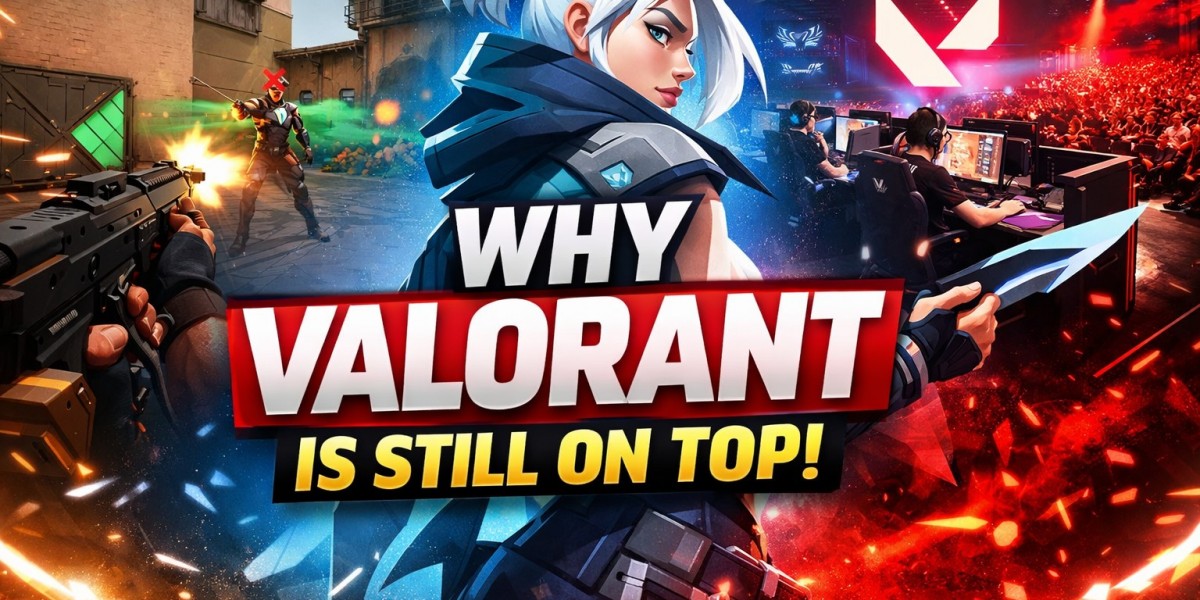
Why Valorant Continues to Trend
Valorant remains popular because it delivers:
Consistent updates
Competitive fairness
Strong community engagement
Long-term esports vision
Few games maintain this balance successfully.
Final Thoughts
Valorant is not just another shooter—it is a carefully crafted competitive platform. By blending tactical gunplay, strategic abilities, and a robust esports ecosystem, Riot Games has created a game that continues to grow and evolve.
Whether you are a casual player, ranked grinder, or esports fan, Valorant offers depth, challenge, and longevity that few modern games can match.
For more detailed gaming articles, competitive guides, and trending topics, keep following sociallyrise.com.