
Introduction
Cyberpunk 2077 is one of the most ambitious open-world role-playing games ever created. Set in the dystopian мегacity of Night City, the game blends first-person action, deep RPG mechanics, narrative choice, and a richly detailed futuristic world. Developed by CD Projekt Red, Cyberpunk 2077 represents a bold attempt to redefine what a modern RPG can be when technology, storytelling, and player freedom intersect.
Since its release, Cyberpunk 2077 has undergone significant evolution through updates, patches, and expansions, transforming it into a polished and immersive gaming experience. This article explores the game in depth, focusing entirely on gameplay, world design, systems, and why Cyberpunk 2077 holds a unique place in modern gaming.
Night City: One of the Most Detailed Game Worlds Ever Built
A City That Feels Alive
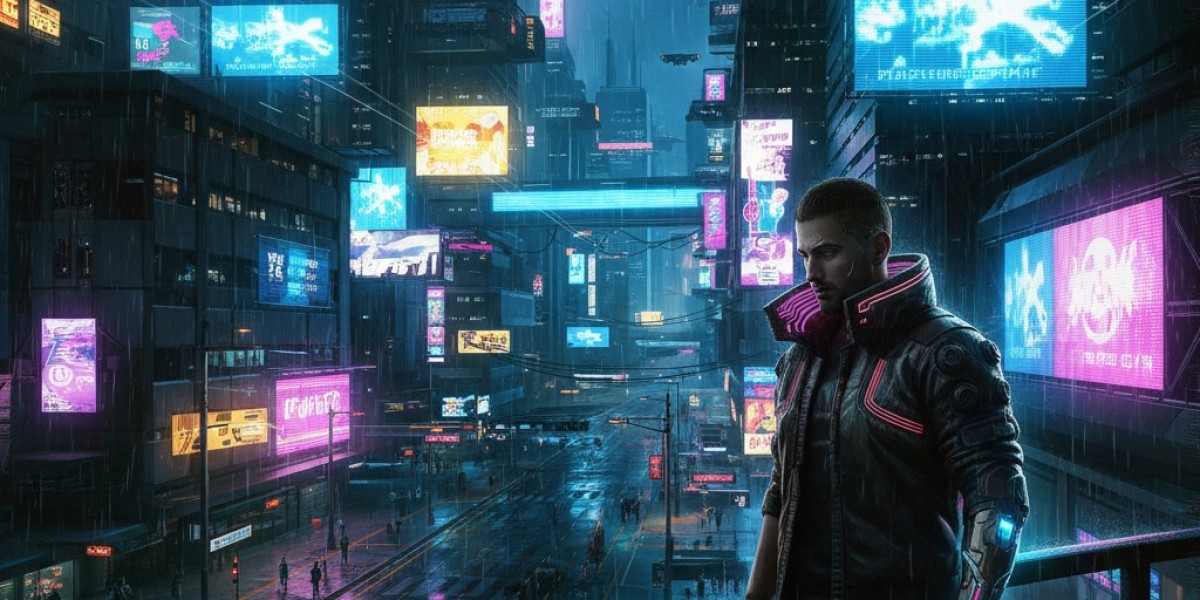
Night City is not just an open world; it is a layered, vertical, and reactive urban ecosystem. The city is divided into multiple districts, each with its own culture, power structure, and visual identity. From corporate-controlled luxury zones to crime-ridden industrial areas, every location tells a story through environment design alone.
Key aspects of Night City include:
Dense vertical architecture with explorable interiors
Crowded streets filled with NPCs following daily routines
Dynamic lighting, weather, and time-of-day systems
Environmental storytelling through ads, graffiti, and audio
Unlike traditional open worlds that emphasize size, Night City emphasizes density and detail, making exploration meaningful at every level.
Core Gameplay and RPG Mechanics
First-Person RPG Design
Cyberpunk 2077 is played entirely from a first-person perspective, which enhances immersion and places players directly inside the world. This design choice makes combat, dialogue, and exploration feel more personal and intense.
The RPG systems allow players to shape their character, known as V, through:
Attributes such as Body, Reflexes, Intelligence, Technical Ability, and Cool
Perk trees that define combat style, hacking ability, and survivability
Cyberware upgrades that physically and digitally enhance the character
Every build choice directly affects how missions can be approached and completed.
Cyberware and Player Customization
Becoming More Than Human
Cyberware is at the heart of Cyberpunk 2077’s identity. Players can replace or enhance body parts with advanced technology, fundamentally altering gameplay.
Cyberware options include:
Neural implants for hacking and quickhacks
Optical upgrades for targeting and scanning
Arm modifications such as blades or projectile systems
Skeletal and circulatory enhancements for speed and durability
These upgrades are not just cosmetic; they redefine how players interact with enemies, environments, and mission objectives.
Combat Systems and Playstyles
Multiple Ways to Play
Cyberpunk 2077 supports a wide range of playstyles. Players are never forced into a single approach, and missions are designed to reward creativity.
Combat styles include:
Gun-focused combat with pistols, rifles, shotguns, and smart weapons
Stealth gameplay using silencers, takedowns, and environmental hacks
Netrunner builds focused on hacking enemies and systems remotely
Melee combat using blades, blunt weapons, and cybernetic arms
The flexibility of combat ensures replayability and encourages experimentation.
Hacking, Netrunning, and Technology
Digital Warfare in Real Time
Hacking is a defining feature of Cyberpunk 2077. Players can breach networks, disable enemies, manipulate cameras, and turn technology against opponents.
Key hacking features include:
Quickhacks used during combat
Environmental control such as doors, turrets, and cameras
Enemy debuffs and system shutdowns
Advanced netrunner builds that avoid direct combat
This system adds a strategic layer rarely seen in action RPGs.
Storytelling and Narrative Depth
Choice, Consequence, and Identity
Cyberpunk 2077 tells a deeply personal story set against a backdrop of corporate power, technology addiction, and identity loss. Player choices influence:
Character relationships
Mission outcomes
Narrative paths
Endings
Dialogue options, moral decisions, and alliances shape how the story unfolds, making each playthrough feel unique.
Side Quests and World Activities
Meaningful Content Beyond the Main Story
Side quests in Cyberpunk 2077 are often as detailed as main missions. They explore themes such as:
Corporate corruption
Human exploitation
Artificial intelligence ethics
Survival in a cybernetic society
Rather than filler content, these quests expand the world and deepen immersion.
Technical Evolution and Improvements
From Launch to Polished Experience
Cyberpunk 2077’s journey did not end at launch. Continuous updates improved:
Performance and stability
AI behavior
Combat balance
Visual fidelity
These improvements have reshaped public perception and solidified the game’s reputation as a complex and rewarding RPG.
Why Cyberpunk 2077 Matters in Gaming
Cyberpunk 2077 represents a turning point in open-world RPG design. Its focus on immersion, player choice, and systemic gameplay has influenced how developers approach futuristic worlds and narrative-driven games.
The game proves that ambitious ideas, when supported by long-term development, can evolve into defining experiences.
Conclusion
Cyberpunk 2077 is more than a game—it is a digital vision of a possible future shaped by technology, power, and human ambition. Through its dense world, deep RPG mechanics, and immersive storytelling, it stands as one of the most ambitious gaming projects of its generation.
For players seeking a rich, complex, and mature open-world RPG, Cyberpunk 2077 remains an essential experience.