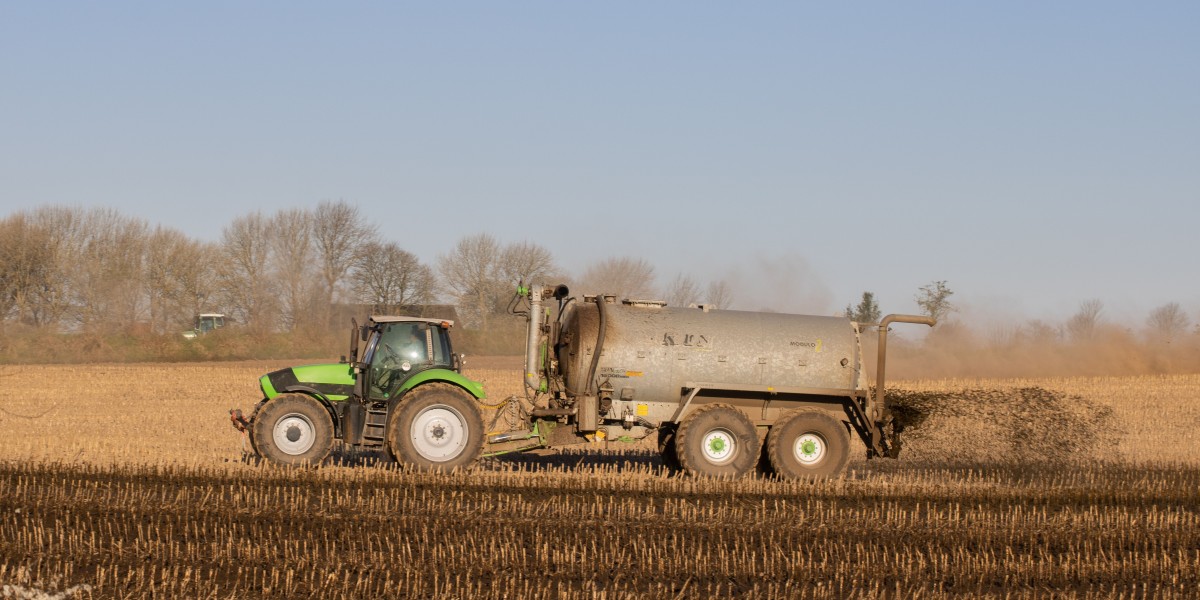

Crop nutrition is a fundamental part of successful agricultural production. Plants require a range of nutrients to grow, develop roots, produce leaves, and complete their reproductive cycles. When essential nutrients are insufficient or poorly balanced, plant development may be affected. NPK fertilizers are important agricultural inputs because they combine nitrogen, phosphorus, and potassium, which perform complementary functions in plant growth. Their use across different cultivation systems allows farmers to consider nutrient management as part of a broader strategy for supporting healthy crops and maintaining productive farmland. Understanding the purpose of these fertilizers also helps explain why appropriate selection and application are essential to effective agricultural management.
The growing emphasis on plant nutrient management strategies highlights the importance of matching fertilizer applications with actual crop requirements. Nutrient management involves assessing soil fertility, understanding the needs of cultivated plants, and selecting appropriate products for particular growing conditions. NPK fertilizers can help supply essential nutrients, but their effectiveness depends on the balance of the formulation and the way it is applied. Farmers who consider soil characteristics and crop development can make more informed fertilizer decisions and avoid unnecessary applications.
Nitrogen and Vegetative Development
Nitrogen is essential for many processes involved in plant growth. It contributes to chlorophyll formation and supports the development of leaves and stems. Adequate nitrogen availability is particularly important during periods of active vegetative growth, although the appropriate requirement depends on the crop and its stage of development.
Insufficient nitrogen may limit plant growth, while excessive application can create problems. Overapplication can contribute to nutrient losses, unnecessary costs, and imbalanced crop development. Farmers therefore need to consider existing soil fertility and the nutritional needs of the crop when selecting an NPK formulation.
Appropriate nitrogen management can help farmers maintain a better relationship between nutrient supply and plant demand. The aim is to provide suitable nutrition without applying more than the crop and soil conditions justify.
Phosphorus and Root Development
Phosphorus supports energy transfer within plants and contributes to root development and other essential biological processes. Its availability can be influenced by soil characteristics, including soil pH and the way phosphorus interacts with soil minerals.
Strong root development is important because roots help plants access water and nutrients from the surrounding soil. Phosphorus management is therefore an important consideration during crop establishment and throughout development, depending on the crop's requirements.
Because phosphorus may not always be readily available to plants in every soil, farmers can benefit from understanding local soil conditions before choosing a fertilizer. Appropriate nutrient planning helps determine whether a particular formulation suits the field and the crop being cultivated.
Potassium and Plant Function
Potassium contributes to water regulation, enzyme activity, and several processes associated with plant development. It helps plants regulate water movement and supports normal physiological functioning under changing environmental conditions.
Potassium requirements vary according to crop type, growing conditions, and production objectives. Some crops may remove substantial quantities of potassium from the soil through harvested plant material, making nutrient replacement an important consideration in ongoing soil management.
An appropriate NPK formulation can contribute to potassium supply when it is selected according to crop and soil requirements. However, fertilizer management should also account for other essential nutrients that may not be included in the product.
The Importance of Balanced Fertilizer Selection
Choosing an NPK fertilizer requires consideration of more than the product's general purpose. Soil testing, crop history, expected nutrient demand, irrigation practices, and the timing of application can all influence the suitability of a formulation.
Different application methods may also affect fertilizer selection. Granular fertilizers can be suitable for certain soil applications, while water-soluble products may be used in compatible fertigation systems. Farmers should follow product instructions and obtain appropriate agricultural guidance when necessary.
Integrated nutrient management can provide a broader framework by combining mineral fertilizers with suitable organic materials and other soil management practices. Such an approach recognizes that crop nutrition and soil health are connected.
Market Development and Agricultural Innovation
The demand for practical crop nutrition solutions creates opportunities for fertilizer manufacturers to improve product quality, consistency, and suitability for different cultivation systems. Better application guidance, convenient packaging, and formulations adapted to agricultural needs can support product adoption.
At the same time, environmental responsibility remains important. Farmers and manufacturers must consider how fertilizer use affects nutrient efficiency and the surrounding environment. Better nutrient planning and responsible application can help reduce avoidable losses.
Conclusion
NPK fertilizers have an important role in crop nutrition because nitrogen, phosphorus, and potassium support different but complementary plant functions. Their benefits depend on selecting suitable formulations and applying them according to crop needs and soil conditions. As modern agriculture continues to emphasize effective nutrient management, informed fertilizer use will remain an important part of responsible crop production.
FAQs
Q1. What do nitrogen, phosphorus, and potassium do for plants?
Nitrogen supports vegetative growth, phosphorus contributes to root development and energy transfer, and potassium helps regulate water movement and essential physiological functions.
Q2. Should every crop receive the same NPK fertilizer formulation?
No. Different crops and soils have different nutrient requirements, so fertilizer selection should reflect crop needs, soil conditions, and the intended application method.