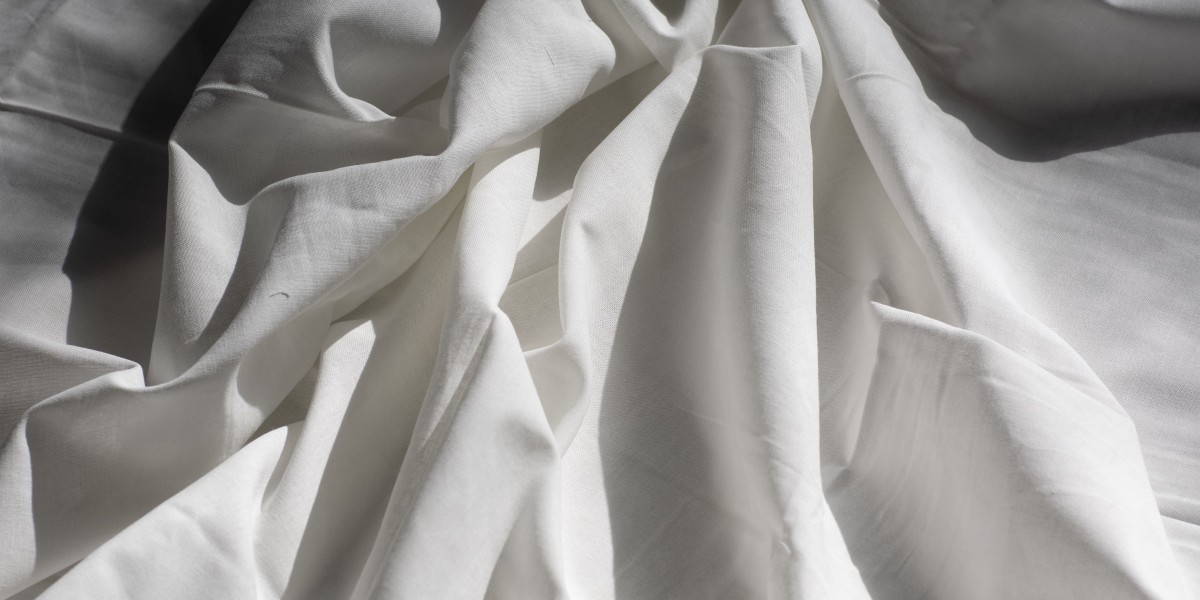

The bed sheet market continues to play an important role in the home furnishing and textile industries. Bed sheets are everyday household essentials that combine practical functionality with decorative appeal. Their importance extends beyond providing a comfortable sleeping surface because they also influence bedroom organization, visual presentation, and personal lifestyle choices. As consumers become more interested in improving their home environments, bedding products are receiving increased consideration during household furnishing decisions. Manufacturers are responding by introducing different materials, patterns, textures, and finishes that accommodate diverse preferences.
An important development influencing product selection is the increasing demand for luxury bedroom linen collections. Consumers interested in creating sophisticated bedroom environments often look for bedding that combines appealing designs with comfortable fabrics. Premium-looking finishes, coordinated color combinations, elegant patterns, and carefully selected materials can make ordinary bedrooms feel more refined. This preference encourages manufacturers to develop collections that address both practical household requirements and decorative expectations.
Product quality remains one of the most important considerations in this industry. Consumers generally expect bed sheets to maintain their appearance and usability after repeated washing and regular household use. Fabric strength, stitching quality, surface texture, color retention, and finishing all contribute to the overall product experience. Manufacturers must pay attention to these characteristics while developing bedding collections for different customer groups.
Cotton continues to be a familiar material in bedding because of its natural feel and versatility. Its different fabric constructions allow manufacturers to offer products with varying textures and appearances. Microfiber is another popular material because it provides lightweight bedding options and can be suitable for consumers who prefer convenient maintenance. Linen offers a distinctive natural texture, making it attractive for particular interior styles. Meanwhile, blended fabrics provide opportunities to combine material characteristics according to intended product requirements.
The influence of interior decoration trends is also becoming increasingly visible. Bedroom design preferences continue to evolve, with consumers exploring different combinations of furniture, wall colors, lighting, curtains, and bedding accessories. Bed sheets can contribute significantly to this overall appearance. Minimalist interiors often feature simple patterns and neutral colors, whereas more expressive decorating styles may include decorative prints and contrasting shades. Coordinated bedding collections also allow consumers to create a consistent appearance throughout their bedrooms.
Manufacturers are paying attention to these preferences by developing product collections around different themes. Seasonal designs, contemporary prints, traditional patterns, and understated textures provide shoppers with more opportunities to personalize their spaces. The ability to combine visual appeal with practical functionality is an important consideration when introducing new products.
Retail distribution is another factor influencing the market. Traditional stores allow customers to examine fabric textures and product finishing directly. Online retail channels offer convenience and access to a wider selection of bedding products. Digital marketplaces also provide opportunities for consumers to explore different brands and discover designs that may not be available in nearby physical stores. For manufacturers, online distribution creates additional opportunities to present product collections and communicate their features.
Sustainability is gradually becoming an important consideration in home textile purchasing. Some consumers are interested in natural fibers, responsible sourcing, reduced packaging, and manufacturing approaches that consider environmental impact. Businesses that communicate material characteristics and production practices clearly can help customers make more informed decisions.
The commercial bedding segment also contributes to industry development. Hotels, resorts, serviced apartments, and other accommodation facilities require bedding that supports guest comfort and maintains a consistent presentation. These customers may prioritize practical maintenance, fabric performance, and coordinated designs suitable for their properties.
In the coming years, the bed sheet market will continue to reflect changing expectations surrounding comfort, quality, and home decoration. Companies that balance attractive designs with dependable product characteristics can establish stronger relationships with customers. The combination of evolving interior preferences, material choices, and changing retail experiences will remain important to the industry's development.
FAQs
Q1. Why is design important in the bed sheet market?
Design influences the appearance of bedrooms and allows consumers to coordinate bedding with furniture, wall colors, curtains, and other decorative elements.
Q2. What makes a bed sheet suitable for everyday household use?
Comfortable fabric, dependable stitching, easy maintenance, suitable texture, and the ability to retain appearance during regular use are important considerations.