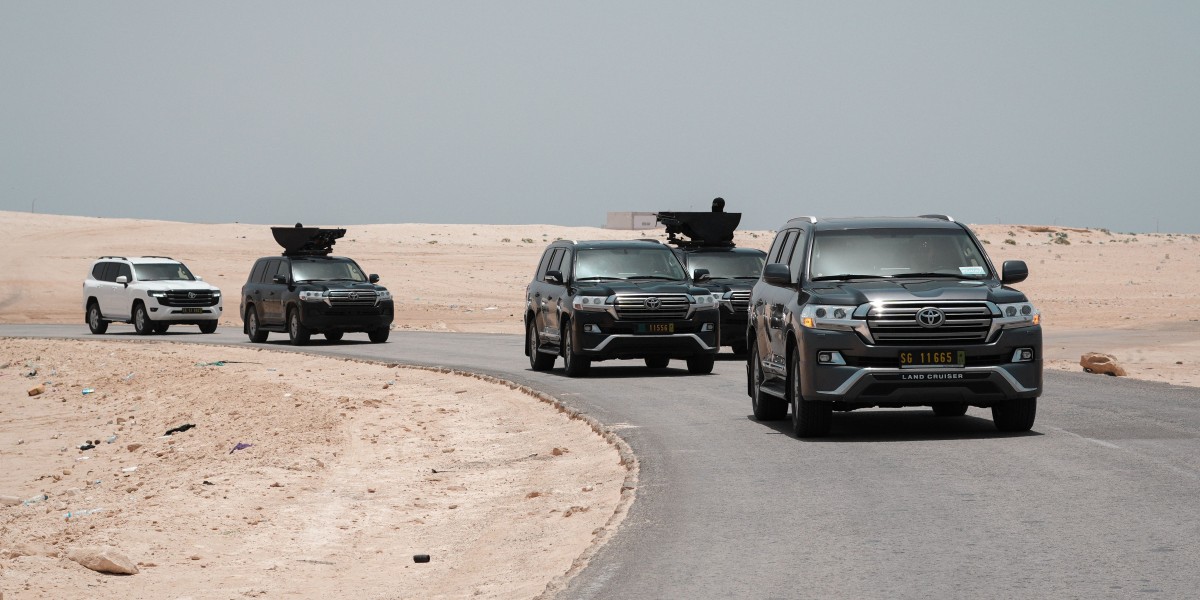

Military mobility is an essential requirement for defense organizations operating across different geographical and security environments. Transportation systems must be capable of carrying personnel and equipment while maintaining reliability under difficult conditions. In locations where mines, explosive devices, and damaged infrastructure create significant risks, specialized protected vehicles become particularly important. MPV mine-resistant protected vehicles are designed to provide transportation solutions that address these challenges while supporting military operational requirements.
The development of military vehicle protection and mobility solutions demonstrates the increasing importance of combining advanced engineering with practical transportation capabilities. These vehicles are designed to support personnel safety through reinforced structures and specialized protective features. At the same time, manufacturers are exploring improvements in mobility, electronic integration, and vehicle adaptability to meet the changing requirements of modern defense organizations.
Combining Protection With Military Mobility
Protection and mobility are closely connected in the development of specialized military vehicles. A protected vehicle must provide a suitable environment for occupants while maintaining the ability to travel across challenging terrain.
Mine-resistant vehicles are engineered with reinforced structures and protective underbody configurations. These design features help address the risks associated with explosive threats encountered during transportation.
However, additional armor can increase vehicle weight, making mobility an important engineering consideration. Manufacturers must carefully evaluate suspension arrangements, powertrain capabilities, braking systems, and structural materials.
The objective is to develop platforms that provide appropriate protection without compromising their ability to perform transportation duties.
Importance of Advanced Vehicle Design
Modern protected vehicle development involves detailed consideration of structural engineering and occupant safety. Manufacturers examine the relationship between vehicle architecture, armor placement, interior arrangements, and mechanical performance.
The passenger compartment is a major design priority. It must provide sufficient space for military personnel while maintaining the protective characteristics of the vehicle.
Underbody construction is also important because mine-resistant platforms are specifically developed to address threats originating beneath the vehicle.
Manufacturers explore structural configurations that can help manage the effects of explosive forces. They also consider the integration of seating arrangements and restraint systems to support occupant safety.
These engineering decisions contribute to the overall functionality of protected military transportation platforms.
Role of Lightweight and Durable Materials
Material selection is an important part of military vehicle manufacturing. Protected platforms require materials that can support structural strength and durability under demanding conditions.
High-strength metals and advanced composite materials are among the options considered during vehicle development. Their use depends on protection requirements, manufacturing processes, and overall vehicle architecture.
Lightweight materials can help manufacturers manage vehicle weight while maintaining necessary structural characteristics.
Durability is equally important because military vehicles may operate in environments involving dust, moisture, extreme temperatures, rough roads, and continuous transportation activities.
The selection of suitable materials can influence maintenance requirements, vehicle longevity, and overall operational reliability.
Digital Integration and Smart Vehicle Features
Digital technologies are becoming increasingly relevant to the development of protected military transportation systems.
Communication equipment helps military personnel maintain coordination with other units. Navigation technologies assist with route planning and transportation activities in unfamiliar environments.
Observation systems, cameras, and electronic displays can support driver awareness. These features are particularly useful when vehicles operate in areas with limited visibility or difficult road conditions.
Vehicle monitoring technologies can also provide information about mechanical performance. This may help maintenance teams identify potential problems and organize servicing activities.
The integration of electronic systems is therefore becoming an important consideration in modern protected vehicle design.
Diverse Military Applications
MPV mine-resistant protected vehicles can support different military activities according to their configuration and intended operational role.
Troop transportation is an important application because these vehicles provide specialized platforms for moving military personnel.
Security patrols also represent a relevant application. Protected transportation can help personnel operate in areas where road conditions and security threats create additional risks.
Logistics support is another important area. Military organizations require vehicles capable of transporting equipment, supplies, and operational materials.
Specialized configurations may also support medical evacuation and emergency transportation requirements.
This flexibility increases the relevance of mine-resistant vehicles across different military activities.
Challenges in Vehicle Manufacturing
Despite their importance, developing protected military vehicles involves several engineering and operational challenges.
Manufacturers must balance protection, weight, mobility, manufacturing complexity, and maintenance requirements. The integration of advanced electronic equipment can also increase design complexity.
Another consideration is long-term vehicle support. Military organizations require access to replacement components, technical assistance, servicing facilities, and maintenance expertise.
Manufacturers that provide practical lifecycle support can help defense organizations maintain vehicle readiness.
Customization also remains important because operational requirements can differ between military organizations.
Future of Military Mobility and Protection
The MPV mine-resistant protected vehicle market will continue to be influenced by developments in military transportation and personnel protection. Manufacturers are exploring improved armor materials, adaptable vehicle platforms, advanced communication technologies, and more efficient mechanical systems.
Modular vehicle architecture may provide additional flexibility by allowing specialized equipment and configurations to be integrated according to operational requirements.
Improvements in vehicle monitoring and maintenance technologies may also support long-term reliability.
Ultimately, the future development of MPV protected vehicles will depend on delivering a practical combination of protection, mobility, durability, and operational adaptability. These capabilities will remain important as defense organizations continue to modernize their transportation systems.
Frequently Asked Questions
Q1. How do MPV protected vehicles improve military mobility?
MPV protected vehicles support military mobility by providing specialized transportation platforms with reinforced structures, durable mechanical systems, and features designed for challenging operational environments.
Q2. What are the major innovations shaping the MPV protected vehicle industry?
Important innovations include advanced protective materials, improved vehicle architecture, specialized suspension systems, integrated communication technologies, digital monitoring, and modular vehicle configurations.