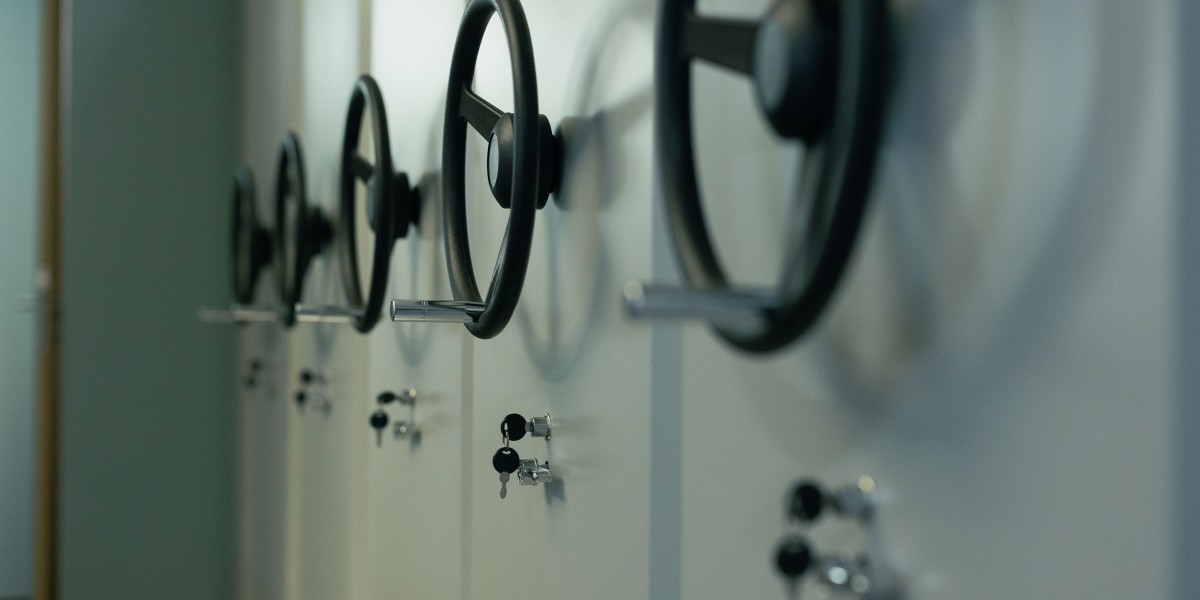

Security and convenience are becoming increasingly important considerations in modern home and commercial furniture design. Cabinets are used to store personal belongings, important documents, household supplies, office materials, and other items that may require restricted access. As a result, cabinet locks are gaining attention as essential components of functional storage systems.
The increasing interest in smart cabinet locking systems highlights the evolving relationship between furniture design and security technology. Modern consumers are exploring locking mechanisms that provide convenient operation while complementing contemporary interiors. This changing preference is encouraging manufacturers to introduce innovative solutions that accommodate different security expectations and furniture applications.
Growing Importance of Home Security
Home security is no longer limited to external doors, windows, and entry systems. Homeowners are also paying attention to internal storage areas that contain personal belongings, sensitive paperwork, household equipment, and other valuable items.
Cabinet locks offer a practical way to restrict access to selected furniture compartments. They can be installed in wardrobes, kitchen cabinets, storage drawers, home offices, and other household furniture. Families may also use locking mechanisms to create designated storage areas for items that should remain inaccessible to children or visitors.
The demand for practical household security solutions is encouraging manufacturers to develop cabinet locks that are easy to operate and suitable for different furniture configurations. Products that offer convenient installation and attractive finishes can appeal to consumers seeking functional improvements without changing the appearance of their interiors.
Smart Technology and Electronic Locking Solutions
Smart technology is introducing new possibilities for cabinet security. Electronic locking systems can provide alternatives to conventional key-operated mechanisms and may incorporate features such as digital authentication, electronic access control, and programmable operation.
These technologies can be useful in environments where several individuals require controlled access to shared storage facilities. Offices, hotels, educational institutions, and commercial establishments may benefit from locking solutions that support flexible access arrangements.
Some electronic cabinet locks are designed to work with digital credentials or other authentication methods. Depending on the product configuration, these systems may reduce dependence on physical keys and provide more convenient access management.
However, traditional mechanical locks continue to remain relevant because of their simplicity and familiarity. The availability of different locking technologies allows customers to select products according to their specific requirements.
Changing Furniture Manufacturing Requirements
Furniture manufacturing is evolving alongside changing interior design preferences. Modular furniture, customized storage units, and space-efficient cabinets are becoming important considerations in residential and commercial environments.
These furniture styles create demand for locking systems that can be integrated into different designs. Manufacturers increasingly consider lock dimensions, mounting arrangements, material compatibility, and visual appearance during the furniture production process.
Cabinet lock suppliers can benefit from developing products that accommodate different cabinet materials and installation configurations. Compatibility with contemporary furniture designs can become an important consideration for businesses seeking dependable component suppliers.
Commercial Applications of Advanced Cabinet Locks
Commercial organizations have varied storage security requirements. Offices may need secure cabinets for confidential documents, employee belongings, and administrative materials. Retail businesses may require locking storage for inventory-related items, while hotels can use cabinet locks in selected furniture applications.
Healthcare facilities and educational institutions also require organized storage environments. Different departments may need access to particular compartments, making suitable locking systems an important part of furniture functionality.
Electronic locking solutions may be attractive in applications where access management needs to be flexible. Meanwhile, mechanical locks remain useful in locations where straightforward operation is preferred.
Product Innovation and Consumer Expectations
Product innovation is increasingly influenced by the need to combine practical functionality with attractive design. Cabinet locks are expected to fit naturally into furniture without creating unnecessary visual distractions.
Manufacturers are exploring compact lock structures, improved operating mechanisms, different surface finishes, and alternative installation approaches. Product reliability and ease of maintenance are also important considerations for customers.
Another important area is user experience. A locking mechanism should be understandable and convenient for its intended users. Products designed for household furniture may have different operating requirements from those used in offices or commercial facilities.
Future Opportunities in the Cabinet Lock Industry
The future of the cabinet lock market will be influenced by smart home development, changing furniture preferences, and increasing attention to organized storage. Electronic access solutions may create additional opportunities, particularly in commercial environments that require flexible security arrangements.
At the same time, conventional locking mechanisms are expected to remain relevant across numerous applications. Manufacturers that offer a balanced product portfolio covering mechanical, electronic, and application-specific solutions can address a wider range of customer requirements.
Ultimately, the cabinet lock industry is evolving alongside modern lifestyles. As consumers and businesses continue to prioritize secure, attractive, and convenient storage, innovative cabinet locking products will remain an important part of furniture development.
FAQs
Q1. How does smart technology influence cabinet locks?
Smart technology introduces electronic authentication, digital access management, and alternative operating methods that can improve convenience in selected cabinet applications.
Q2. Are traditional cabinet locks still relevant?
Yes. Traditional mechanical cabinet locks remain useful because of their straightforward operation, familiar functionality, and suitability for different residential and commercial storage applications.