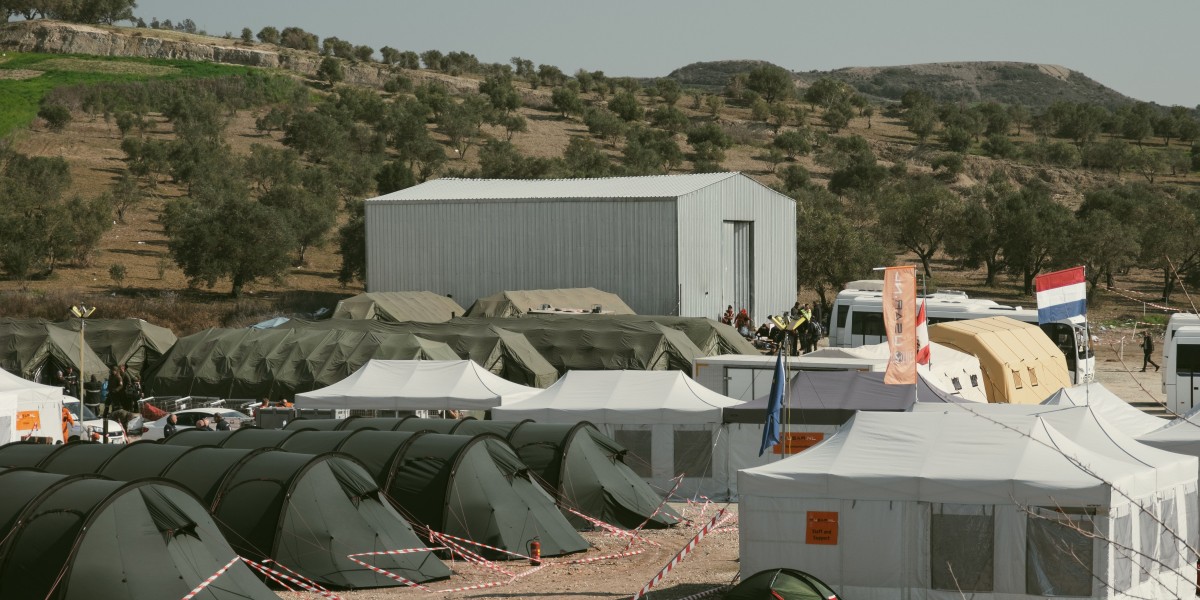

Military Tent and Shelter Market: Advancing Modern Defense Infrastructure
Military operations require more than personnel, equipment, and transportation. They also depend on reliable infrastructure that can support troops in different environments and operational conditions. Military tents and shelters play an important role in creating temporary spaces for accommodation, command activities, medical assistance, equipment storage, and logistical coordination. Their portability and adaptability make them essential components of military infrastructure, particularly when permanent facilities are unavailable or unsuitable.
The growing importance of flexible defense infrastructure has increased attention toward the military field accommodation solutions segment, where shelter systems are designed to support personnel and operational requirements in demanding environments. These solutions must combine practical construction, convenient transportation, structural reliability, and efficient installation to remain useful across different military applications.
The Importance of Military Tents in Defense Operations
Military tents provide temporary infrastructure that can be established according to operational requirements. Unlike permanent buildings, these structures can be transported, assembled, relocated, and dismantled when necessary. This flexibility allows military organizations to establish temporary facilities in remote locations, training areas, emergency response zones, and deployment environments.
Accommodation remains one of the most recognizable applications of military tents. Personnel operating away from established military bases require protected spaces for rest and daily activities. Shelter systems help create organized living environments while supporting basic operational routines.
Beyond accommodation, military shelters are also used for command centers, communication facilities, maintenance areas, and equipment protection. Their applications depend on the design, internal configuration, and structural characteristics of individual shelter systems.
Material Innovation and Structural Performance
Material selection plays an important role in determining the overall performance of military tents and shelters. These structures may encounter challenging environmental conditions, including strong winds, rainfall, temperature variations, dust, and prolonged outdoor exposure.
Manufacturers therefore focus on developing materials that combine durability with manageable weight. Fabric strength, frame construction, weather resistance, and connection systems influence the practical performance of these structures.
Modern shelter designs increasingly emphasize materials that are easier to transport without compromising structural stability. Lightweight construction can simplify handling, particularly when military units need to establish temporary facilities in locations with limited transportation infrastructure.
Another important consideration is maintenance. Military shelters may be used repeatedly across different locations, making repairability and material longevity relevant factors in procurement decisions.
Modular Designs and Operational Flexibility
Modular construction is becoming an important consideration in temporary military infrastructure. A modular shelter can be designed to accommodate different configurations depending on the purpose of the installation.
For example, multiple shelter units may be arranged to establish accommodation areas, operational facilities, storage spaces, or temporary medical environments. This approach allows military organizations to adapt available infrastructure without depending entirely on permanent construction.
Modular designs can also simplify transportation and storage. Individual components may be packed, moved, and assembled according to deployment requirements. This flexibility is particularly useful when operational locations change frequently.
Applications Beyond Accommodation
Although personnel accommodation remains a central application, military tents and shelters support several other activities.
Command shelters provide protected environments for planning and coordination. Medical shelters offer temporary spaces for healthcare activities. Maintenance shelters can protect equipment and support repair operations, while storage shelters help organize supplies and operational materials.
Training facilities represent another important application. Temporary shelters can provide support infrastructure for exercises conducted away from established military installations.
These different applications demonstrate that military tents are not simply temporary sleeping arrangements. They are adaptable infrastructure solutions that support several aspects of defense operations.
Future Direction of the Military Shelter Industry
The future development of military shelter systems will likely emphasize portability, modularity, durability, and installation convenience. Military organizations increasingly require infrastructure that can adapt to changing operational needs without creating complicated transportation and setup requirements.
Manufacturers are also focusing on practical design improvements, including better ventilation, efficient internal layouts, improved insulation, and flexible structural configurations.
As defense organizations continue to evaluate their temporary infrastructure requirements, military tents and shelters will remain important components of field operations. Their ability to provide adaptable facilities makes them relevant to modern defense planning and logistical support.
FAQs
Q1. What are military tents and shelters used for?
Military tents and shelters are used for personnel accommodation, command operations, medical facilities, equipment storage, maintenance activities, and temporary operational infrastructure.
Q2. Why are modular military shelters important?
Modular military shelters offer flexible configurations, convenient transportation, and adaptable installation options, allowing military organizations to establish temporary facilities according to operational requirements.