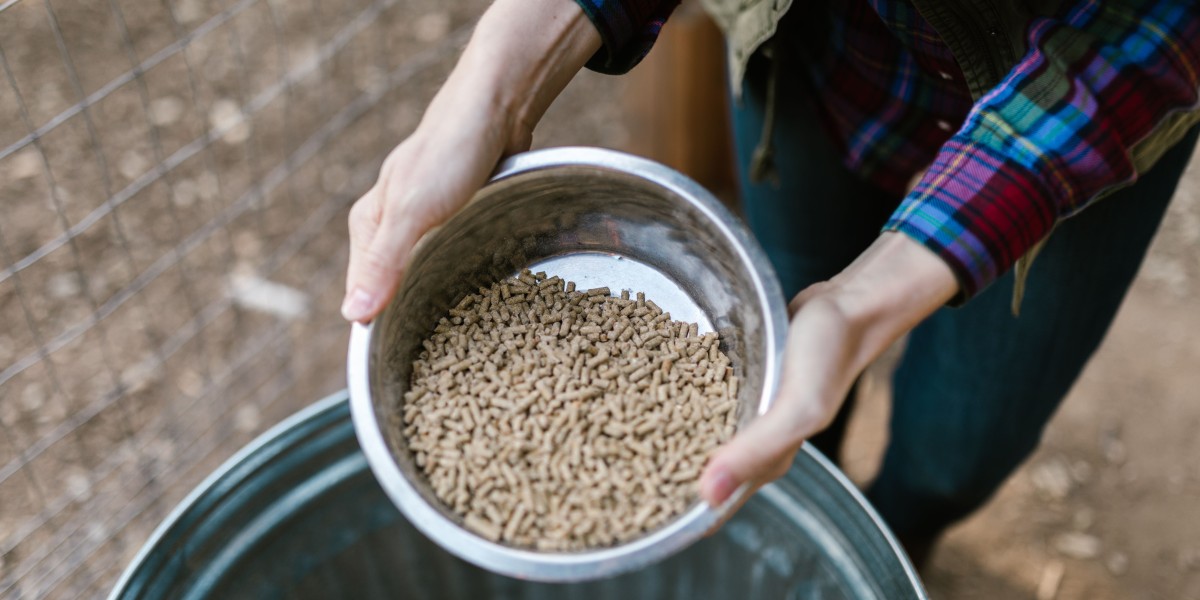

Feed quality has become a major priority for the animal agriculture industry as livestock producers and feed manufacturers work to maintain reliable nutritional standards. Agricultural ingredients used in animal feed can be exposed to different forms of contamination, including mycotoxins produced by fungi. These substances can create difficulties for livestock management and increase the importance of effective feed quality programs. As a result, the feed mycotoxin binders market is gaining attention for its role in supporting contamination management and improving feed safety practices.
The increasing interest in advanced mycotoxin binding technologies reflects the industry's focus on developing products that can address different contamination challenges. Manufacturers are exploring improved formulations, specialized ingredients, and innovative binding mechanisms to meet the requirements of livestock producers. These developments are contributing to product diversification and creating opportunities across the animal feed industry.
Innovation in this market is closely connected to the characteristics of mycotoxins. Different fungi can produce different contaminants, and their behavior may vary according to environmental and processing conditions. Some mycotoxins can be more difficult to bind than others because of their chemical structures and interactions with feed ingredients. Therefore, developing products with suitable binding characteristics is an important objective for manufacturers.
Mineral-based binders remain an important category in the industry. Certain clay minerals have adsorption properties that allow them to interact with particular mycotoxins. Their application in animal feed formulations has encouraged manufacturers to explore different mineral combinations and processing methods. Product developers aim to improve binding performance while maintaining the physical and nutritional characteristics of feed.
Organic binders provide another area of product development. These formulations may include selected plant-derived ingredients and other organic materials that interact with specific contaminants. Their development reflects the industry's interest in expanding available solutions and providing alternatives for different feed applications. Biological approaches are also attracting attention as companies investigate additional methods of managing mycotoxin contamination.
The need for innovation is particularly important because livestock feed contains a variety of ingredients. Grain-based formulations, protein sources, and other agricultural commodities may have different characteristics that influence binder performance. A product suitable for one feed formulation may not provide the same results in another. Manufacturers must therefore consider compatibility, application conditions, and the targeted mycotoxins during product development.
Poultry producers are among the important users of feed mycotoxin management products. Poultry feed requires careful formulation to support animal growth and nutritional requirements. Maintaining consistent feed quality is essential, and contamination management can become a significant part of production planning. Mycotoxin binders may help address specific contamination concerns when selected according to feed composition and the animals' requirements.
The cattle and swine industries also contribute to product demand. These livestock segments use different feeding systems and nutritional formulations. Feed manufacturers must consider species-specific requirements when developing products. The growing interest in customized animal nutrition is encouraging suppliers to provide solutions that can be adapted to different production environments.
Another important innovation area involves product combinations. Manufacturers are exploring formulations that combine different binding materials to address a wider range of mycotoxins. Such approaches are intended to improve product versatility, although performance depends on the formulation and the contaminants involved. Research into compatibility and binding mechanisms continues to influence product development strategies.
Market participants are also paying attention to manufacturing quality and technical support. Consistency in raw materials, formulation processes, and product handling can influence the reliability of feed additives. Suppliers that provide technical guidance can help feed manufacturers understand product applications and make informed formulation decisions.
Nevertheless, innovation does not eliminate the challenges associated with mycotoxin contamination. Feed testing, proper agricultural storage, ingredient selection, and quality control remain essential. Binder selection must be based on the specific contamination situation rather than a general assumption that every product can address every mycotoxin.
The feed mycotoxin binders market is therefore evolving alongside broader improvements in animal feed technology. Continued product development, increasing attention to feed quality, and demand for specialized livestock nutrition solutions are supporting the industry's relevance. As manufacturers continue exploring improved materials and formulations, innovation will remain an important factor in shaping the market.
FAQs
Q1. How is innovation influencing the feed mycotoxin binders market?
Innovation is encouraging the development of improved mineral, organic, and biological formulations designed to address different mycotoxin contamination challenges.
Q2. Why is product compatibility important for mycotoxin binders?
Compatibility helps ensure that binding products can be incorporated into feed formulations without unnecessarily affecting essential nutritional ingredients or feed characteristics.