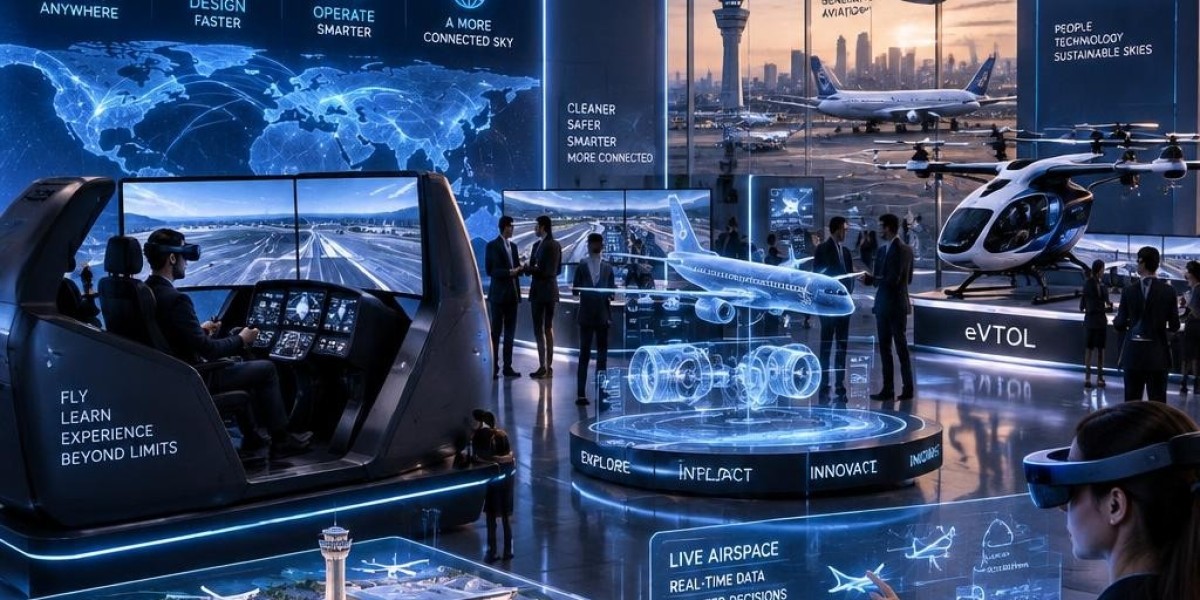

Aviation education requires effective learning methods that help students understand complex aircraft systems, professional responsibilities, and operational environments. Traditional training combines classroom instruction, practical exercises, and certified simulation activities. The AR VR Aviation Market introduces additional opportunities through immersive educational technologies that can complement established training programs. Aviation institutions are exploring interactive learning platforms to improve student engagement, equipment familiarization, and professional development.
The increasing demand for virtual reality aviation training systems reflects the growing importance of digital education within the aerospace industry. Virtual reality applications allow students to explore simulated aircraft environments and participate in structured educational experiences. Technology developers are focusing on realistic visualization, accessible interfaces, and accurate instructional content that supports qualified aviation instructors and established educational requirements.
Evolution of Digital Aviation Education
Aviation education has evolved alongside developments in simulation software, digital learning platforms, and interactive instructional technologies.
Immersive applications provide opportunities to present complex aviation concepts through visual and interactive experiences.
Students can explore digital aircraft environments and develop familiarity with equipment configurations before participating in appropriate practical training.
Educational institutions should evaluate these technologies according to learning objectives, instructional accuracy, and student accessibility requirements.
Qualified instructors remain essential for interpreting student performance and ensuring that educational activities meet established training standards.
Role of Virtual Reality in Pilot Familiarization
Virtual reality can support introductory pilot education by presenting interactive representations of aircraft environments.
Students may explore approved educational content that helps them understand general cockpit layouts, aircraft terminology, and professional responsibilities.
These activities can complement classroom instruction and established simulation programs.
However, virtual reality applications do not automatically satisfy certified flight training requirements.
Training organizations must evaluate software capabilities and ensure that immersive learning activities remain consistent with applicable aviation regulations.
Responsible integration can support educational engagement without compromising professional training standards.
Enhancing Student Engagement Through Immersive Learning
Interactive educational experiences can provide additional opportunities for students to understand complex technical information.
Virtual environments allow learners to revisit instructional materials and explore visual representations at an appropriate pace.
Training institutions may use immersive applications to support different learning preferences and encourage active participation.
Technology developers should prioritize accessible interfaces, comfortable visual experiences, and understandable instructional content.
Regular student feedback can help educational organizations identify potential improvements and evaluate the effectiveness of immersive learning tools.
Supporting Aviation Workforce Development
The aviation industry requires qualified professionals across flight operations, engineering, customer services, and technical administration.
Immersive educational technologies may support workforce development through interactive orientation programs and specialized learning resources.
Organizations can develop digital training modules that complement approved professional education requirements.
Employee development initiatives must remain aligned with established institutional responsibilities and applicable aviation standards.
Investment in professional education can help aviation organizations adapt to emerging technologies while maintaining dependable service quality.
Managing Virtual Training Infrastructure
Implementing immersive aviation training requires suitable hardware, dependable software, qualified instructors, and appropriate technical support.
Educational institutions must evaluate equipment costs, software licensing arrangements, maintenance requirements, and available training facilities.
Technology providers should communicate product capabilities and limitations transparently.
Organizations must also consider visual discomfort, accessibility concerns, and information protection when introducing virtual learning applications.
Comprehensive infrastructure planning can help training institutions establish sustainable educational programs.
Commercial Opportunities in Aviation Training Technologies
The development of immersive educational platforms creates opportunities for simulation software developers, digital content creators, hardware manufacturers, and professional training organizations.
Businesses may provide specialized learning applications, interactive aircraft demonstrations, instructor support tools, and authorized technology integration services.
Successful commercial participation requires accurate educational content, qualified expertise, and dependable customer assistance.
Collaboration between aviation professionals and technology developers can encourage practical improvements in immersive educational products.
Future Outlook for Immersive Aviation Training
The AR VR Aviation Market presents opportunities for continued development in virtual learning environments, interactive aircraft familiarization, professional education, and digital instructional technologies.
Future developments may emphasize improved visualization quality, accessible learning interfaces, adaptable educational content, and integrated training management platforms.
Aviation institutions considering immersive learning investments must evaluate financial resources, educational requirements, technological compatibility, and regulatory obligations.
By combining innovative digital technologies with qualified instruction and established training practices, educational organizations can support effective workforce development and responsible aviation education.
FAQs
How does virtual reality support pilot training?
Virtual reality can complement pilot training through interactive aircraft familiarization, simulated educational environments, visual learning resources, and structured instructional activities.
Can virtual reality replace traditional pilot training?
Virtual reality cannot independently replace mandatory practical flight instruction or certified simulation requirements. It is primarily a complementary educational technology.